

Neighborhoods · Downtown Miami
By Josh Stein · Florida license SL3057661 · Updated 24 September 2026
Okan Tower rising over the downtown Miami skyline
Developer rendering of Okan Tower in downtown Miami rising above the skyline
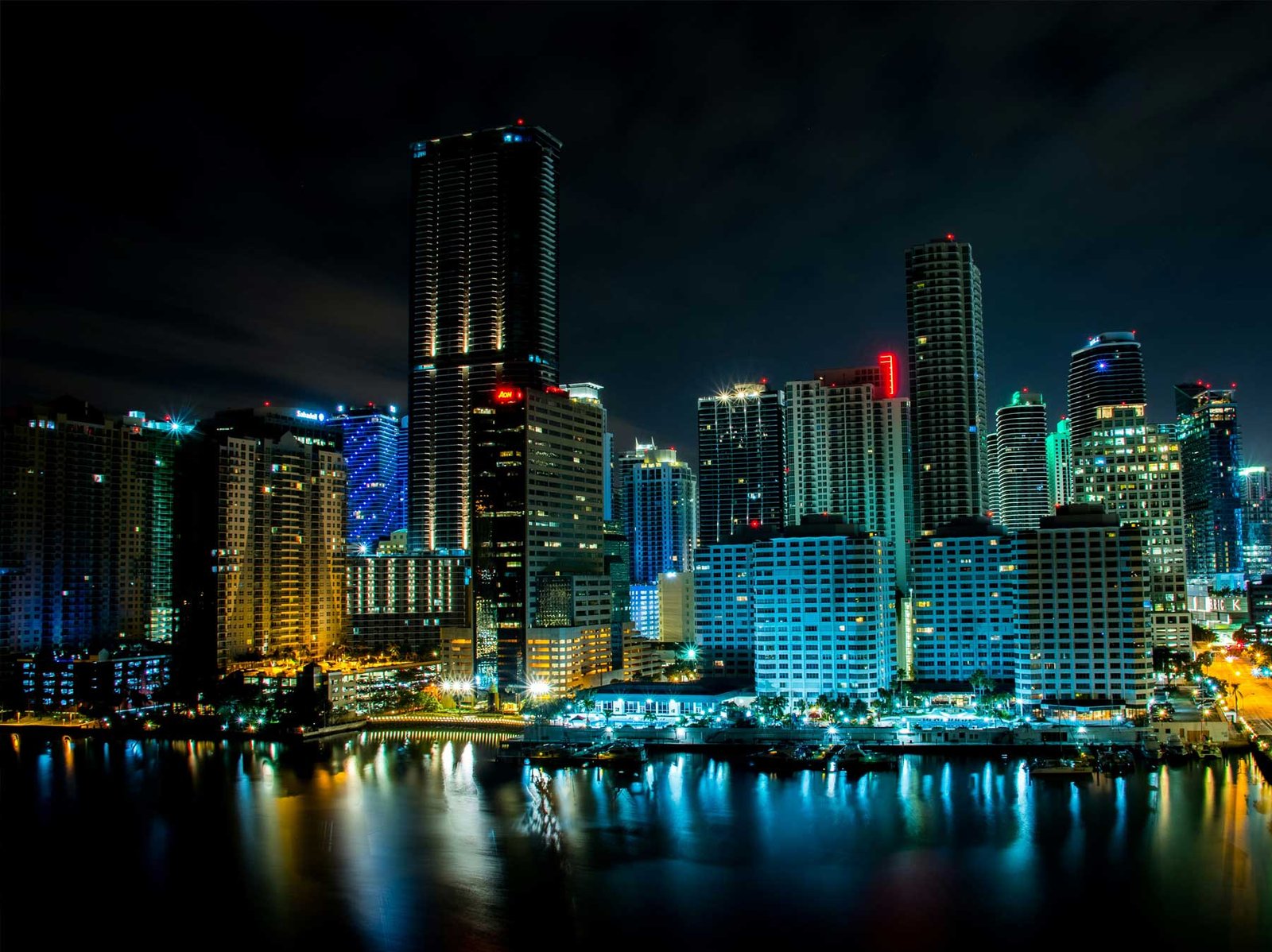
Downtown Miami skyline lit at night seen across Biscayne Bay
E11EVEN Residences on the downtown skyline — developer rendering
A residence bedroom at The Crosby, looking over downtown
600 Miami Worldcenter rising over downtown Miami — developer rendering
E11EVEN Residences in downtown Miami — developer rendering
E11EVEN Residences in downtown Miami — developer rendering
E11EVEN Residences in downtown Miami — developer rendering
E11EVEN Residences over downtown Miami — developer rendering
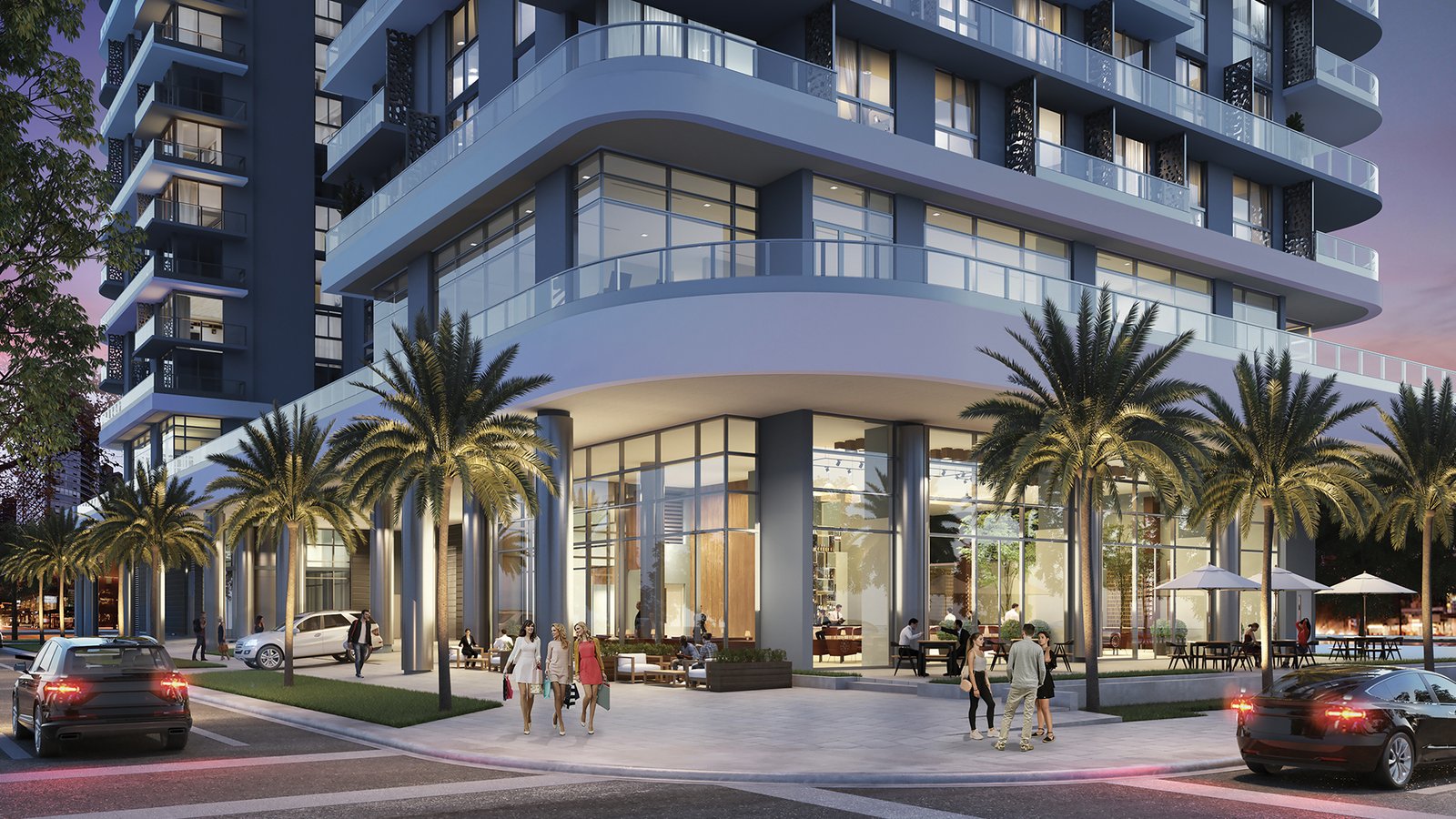
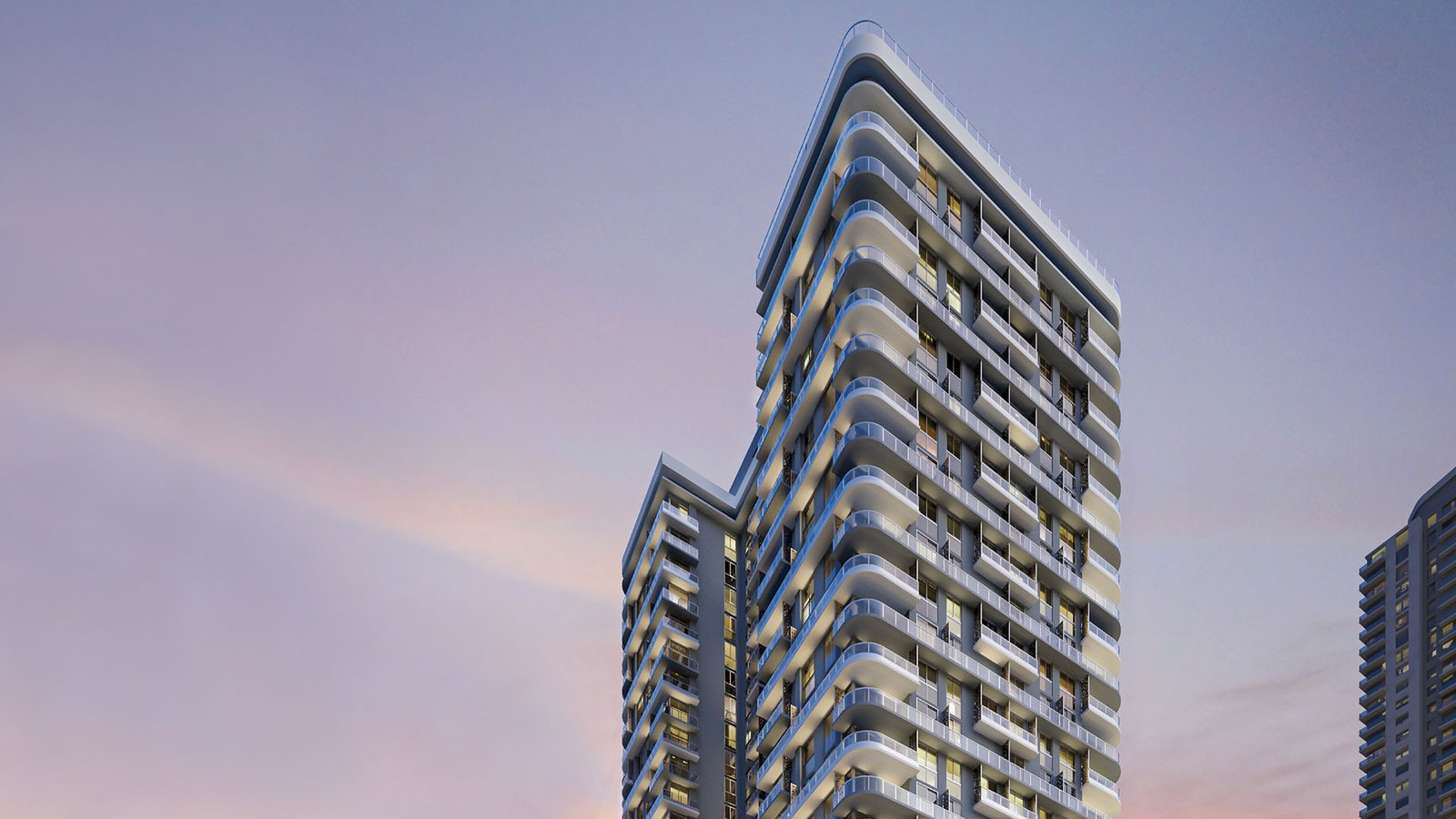
501 First Residences in downtown Miami — developer rendering
501 First Residences in downtown Miami — developer rendering
501 First Residences in downtown Miami — developer rendering
501 First Residences in downtown Miami — developer rendering
501 First Residences in downtown Miami — developer rendering
501 First Residences rising over downtown Miami — developer rendering
Every building we track in Downtown
17 buildings we track in Downtown — ten condominiums on the county roll, and seven still under construction or announced. A condominium declaration is only recorded near completion, so the newest towers are not on the roll yet.
What Downtown Miami actually costs
Asking prices are opinions. This is what buyers actually paid — every qualified, arm’s-length sale on the county record, in the Downtown Miami buildings we track.
Belle Meade is 396 houses on 136 acres between Biscayne Boulevard and Biscayne Bay, built mostly before 1960, detailed in Belle Meade's building stock.
2026 to date−34.6%vs 2023 peak
3,990 homes across 9 condominium declarations on the county record. Median of qualified, arm’s-length sales, straight from the roll — not a portal’s estimate, and not the whole neighbourhood: these are the buildings we track.
Did owners make money · 1,418 resales on the record
Aerial view of Park in Downtown Miami
Aerial view of 900 Biscayne in Downtown Miami
Aerial view of Marquis in Downtown Miami
Aerial view of Marquis in Downtown Miami
Aerial view of Skyline Dusk in Downtown Miami
9 condominium declarations. 3,990 homes. Every sale Miami-Dade County has recorded in them — what buyers paid, not what sellers ask.
Downtown Miami at a glance
- 26 months of inventory — the longest on this map. Six months is the conventional balanced line. Greater Downtown is at more than four times it.
- And prices went up anyway. Q1 2026 closed sales rose 21.7% year over year to 112 units, and the median rose 11.9% to $1,600,000.
- Price per square foot is $938, up just 1.4% year over year. The gap between that number and the median tells you exactly what is happening.
- Days on market: 91, up 13.8%. Nothing here moves quickly.
- Newly delivered towers are doing the lifting. Una Residences and Aria Reserve's South Tower closing out is what pulled the neighbourhood's price per square foot up.
26 months of inventory | $1.6M median, +11.9% y/y | $938 per sq ft, +1.4% | 91 days on market |
The paradox, explained
Downtown Miami is carrying the deepest inventory overhang in the county and posting rising prices at the same time. Both facts are real, and the explanation is mix — not momentum.
When a new tower delivers, its closings hit the record all at once at pre-construction prices agreed years earlier. Those are high-price-per-foot transactions in newly built product, and they drag the median up. Meanwhile the resale stock — the 2000s and 2010s buildings that make up most of the actual inventory — sits.
The tell is the spread between the two headline numbers: the median rose 11.9% while price per square foot rose only 1.4%. If the whole market were appreciating, those would move together. They did not. What rose was the kind of unit closing, not the value of the average apartment.
For a buyer that distinction is worth real money. The rising median is not evidence that your resale unit has appreciated. With 26 months of supply behind it, the resale market here is soft and negotiable — and the closing statistics are being flattered by new delivery.
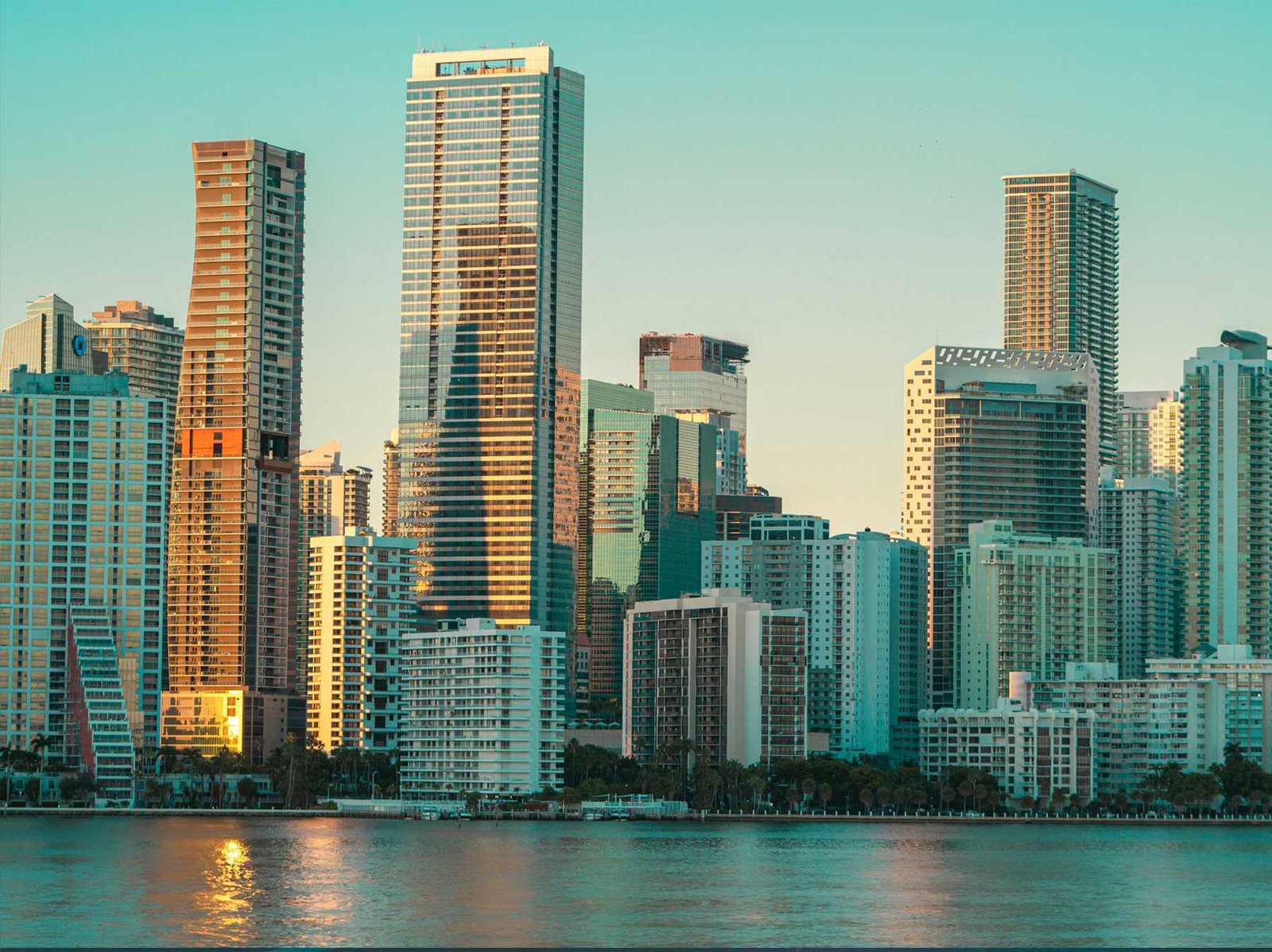
What 26 months of inventory actually means
At the current pace it would take more than two years to clear existing supply without a single new unit being added. New units are being added.
Practically:
- You have time. Nothing needs to be decided this week. In a market at 26 months, the buyer who waits is usually rewarded.
- Negotiate on terms as hard as price. Long marketing times mean sellers value certainty — closing date, inspection period, financing contingency.
- A unit that has been listed 200 days is information. Find out whether it is priced wrong or has a problem before assuming it is a bargain.
- Do not buy for a short hold. With this much supply, exit liquidity is the binding constraint, not entry price.
Compare this with Miami Beach, where inventory fell from 23 to 19 months while prices dropped — a market clearing rather than accumulating. Same headline direction, opposite mechanics.
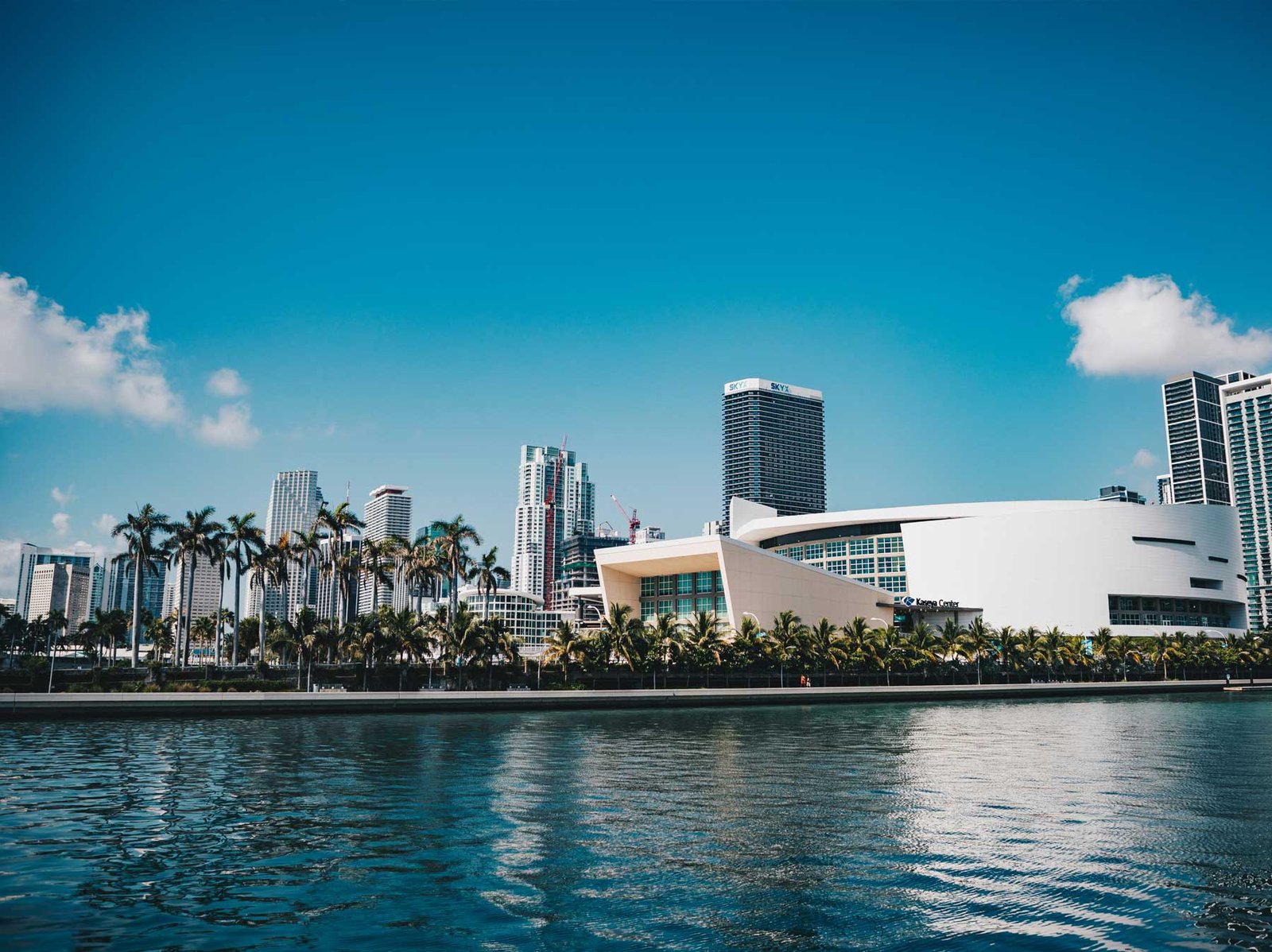
What Downtown actually is now
Downtown is no longer just an office district that empties at six. Three things changed it.
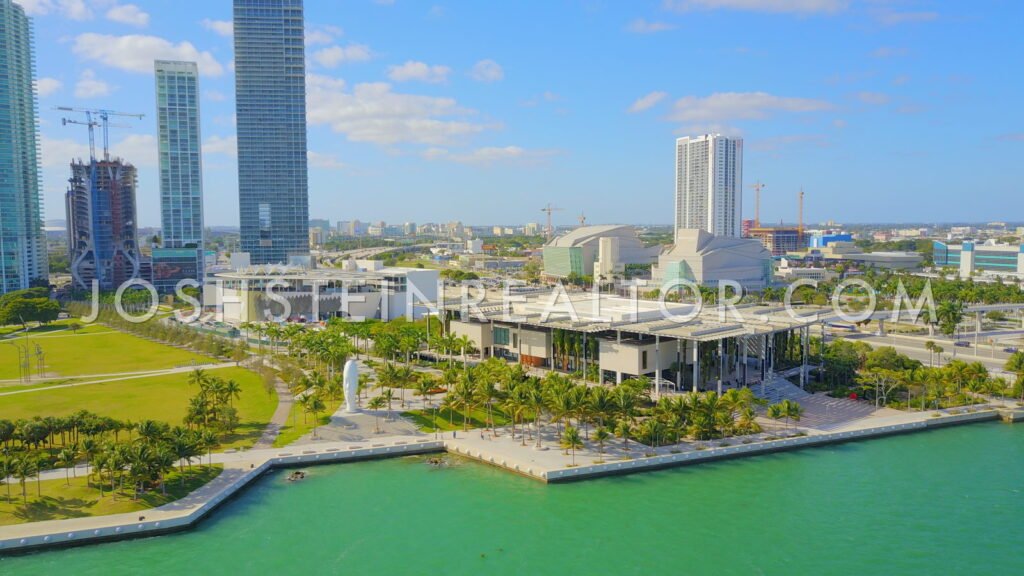
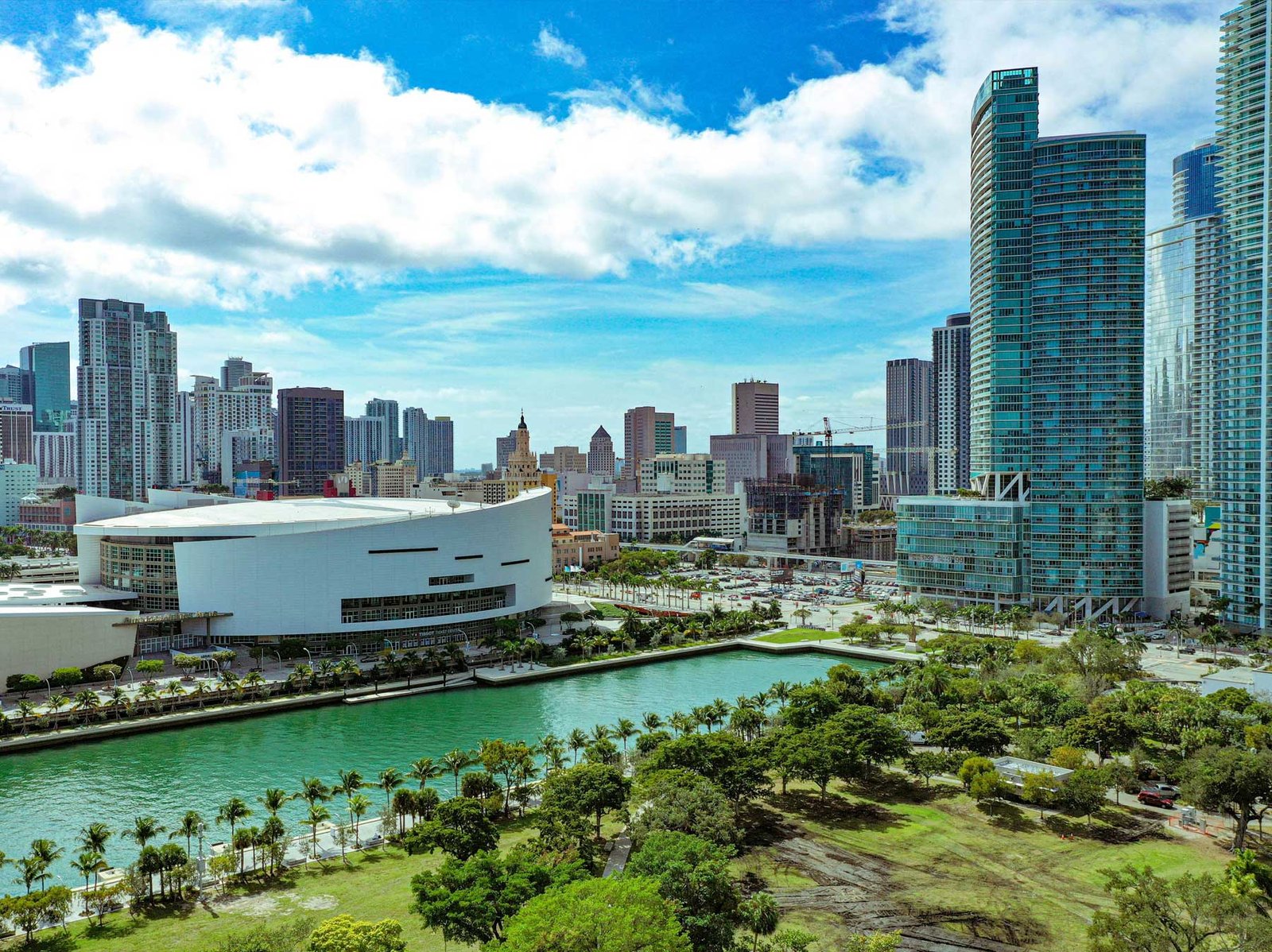
- The cultural anchors landed. The Pérez Art Museum and the Frost Science Museum on Museum Park, and the arena on the bayfront, gave the waterfront a reason to exist after working hours.
- Miami Worldcenter happened. One of the largest urban developments in the United States, filling in the dead blocks between Downtown proper and Overtown.
- Architecture arrived. One Thousand Museum — Zaha Hadid's only residential tower in the Western Hemisphere — put a genuinely significant building on the skyline.
What Downtown still lacks, honestly, is the finished street life that Brickell has. It is closer than it was five years ago and not yet there. If walkable density is your priority today rather than in 2030, Brickell is the safer buy.
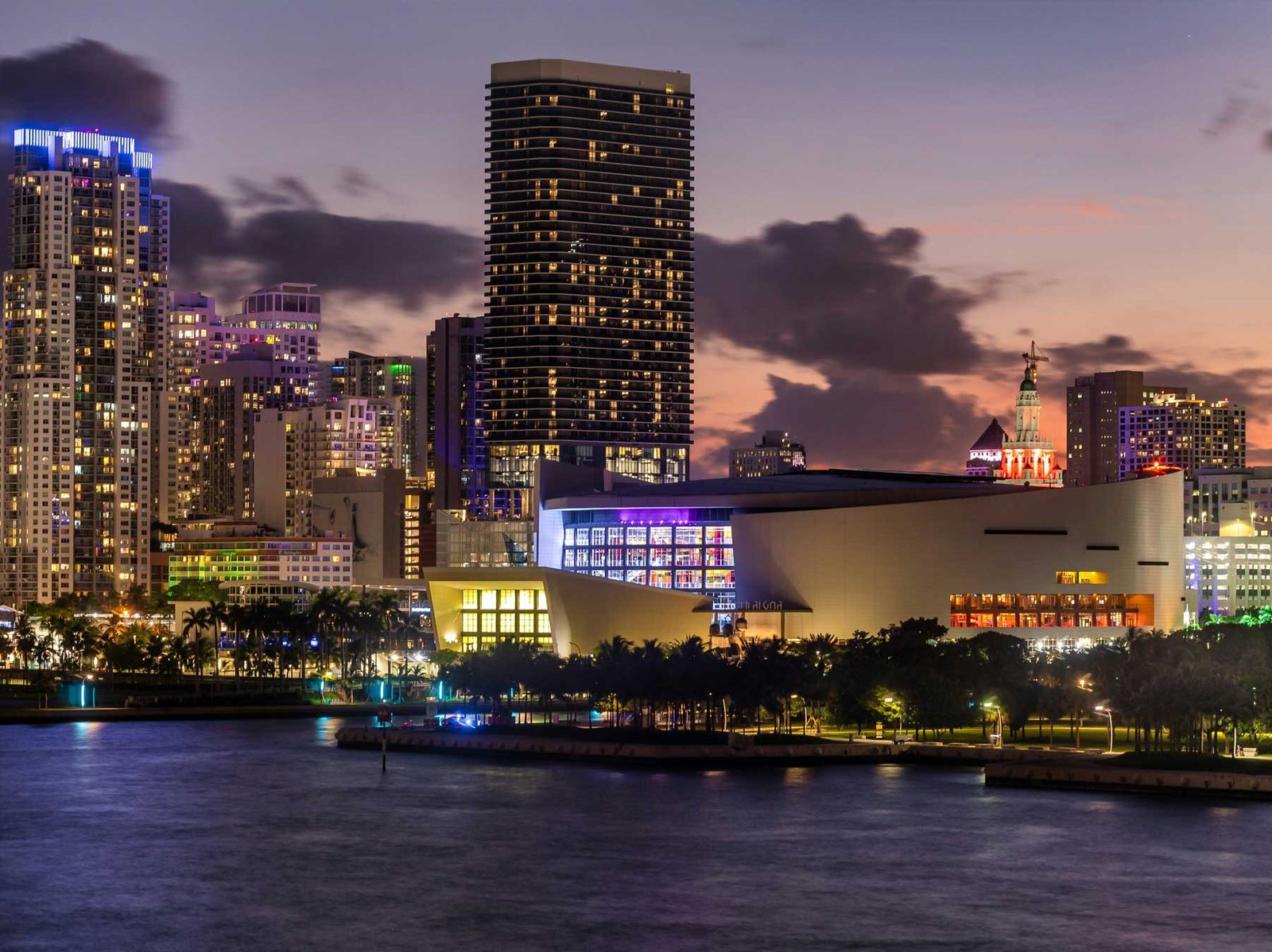
The sub-markets inside "Greater Downtown"
Most published statistics — including the ones on this page — cover Greater Downtown Miami, which bundles together several very different neighbourhoods:
- Brickell — the financial core, the deepest rental market, the most walkable.
- Edgewater — bayfront towers, 12 to 20+ months of supply, closings 5–12% below ask.
- Downtown proper and the Arts & Entertainment District — Museum Park, the arena, Worldcenter.
- Wynwood and Midtown — creative and mid-market, converting to residential.
- The Design District — luxury retail with roughly 1,000 residential units now in the pipeline.
That bundling matters. A "Greater Downtown" median blends a Brickell Key waterfront unit with a Wynwood one-bedroom. Always ask which submarket a number came from before you use it.
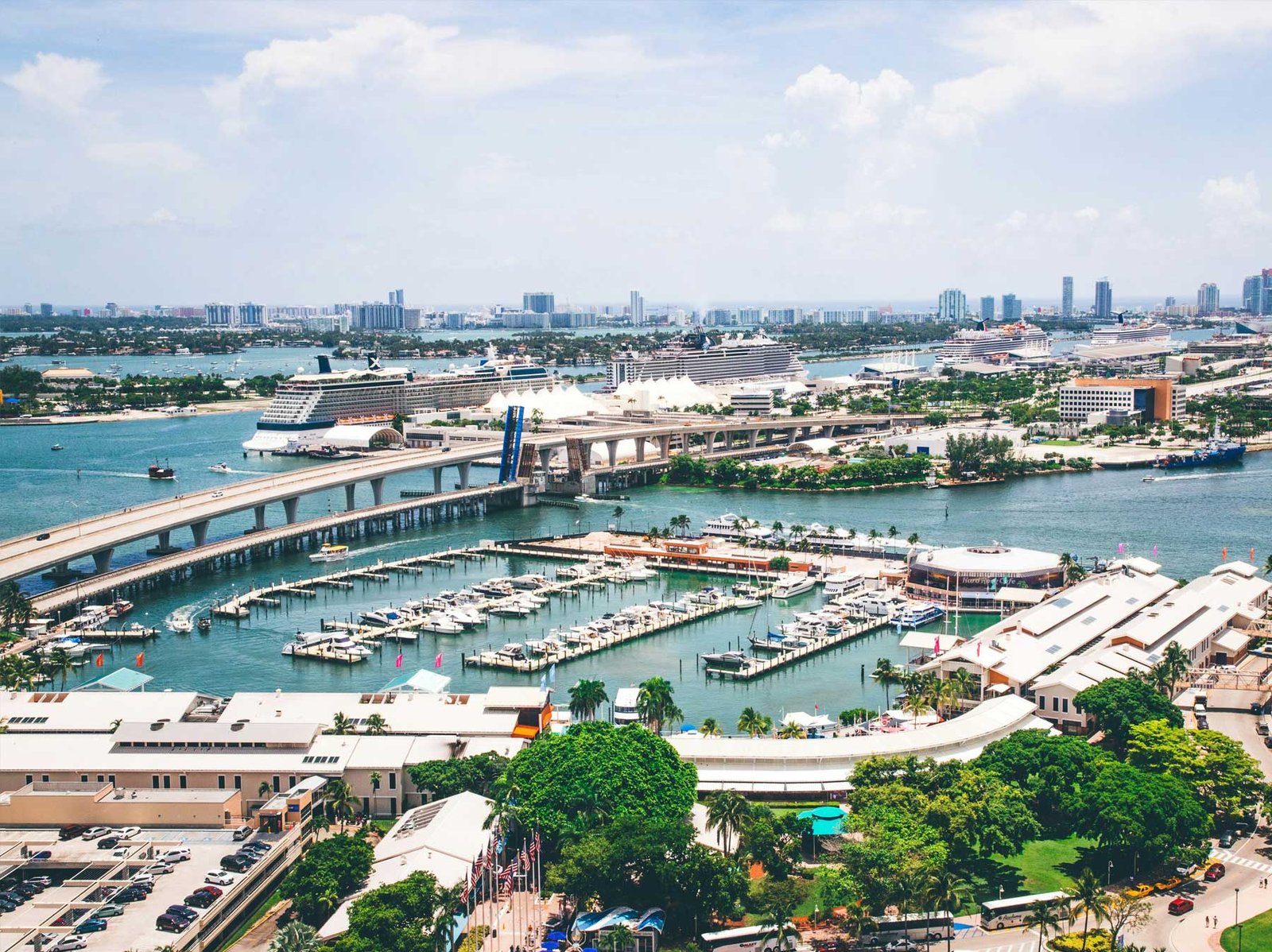
Every building in Downtown Miami
Downtown is not one market and the buildings make that obvious. A bayfront tower on Biscayne Boulevard and a Worldcenter build four blocks inland are priced, financed and rented on completely different terms. Below is every Downtown building with a page on this site, grouped by where it sits.
The tower that changes the skyline
Waldorf Astoria Hotel & Residences Miami
Nine stacked glass cubes, and the first building in Florida to break the supertall threshold. What it does to Downtown is not really about the 387 residences — it is that a Waldorf flag on Biscayne Boulevard re-rates every tower within four blocks of it. If you are buying Downtown resale, buy inside that radius.
Waldorf Astoria Residences details →The full Downtown building directory
The bayfront row, facing Museum Park, the Kaseya Center and PortMiami. The views here are the reason Downtown exists as a condo market.
- 900 Biscayne Bay
Biscayne Blvd - Aston Martin Residences New
ASTON MARTIN MIAMI CONDOS FOR SALE 300 Biscayne Blvd Way - Epic Residences
Biscayne Blvd Way - Marina Blue
Biscayne Blvd - Marquis Residences
Biscayne Blvd - One Thousand Museum
Biscayne Blvd - Ten Museum Park
Biscayne Blvd - Waldorf Astoria Miami New
WALDORF ASTORIA CONDOS MIAMI 300 Biscayne Blvd
Twenty-seven acres of new-build in the largest private development project in the United States after Hudson Yards. Almost everything here is under ten years old.
- Madison Downtown
800 & 850 N Miami Ave · 355 homes, 609 sales since 2006 - Flow House New
697 N Miami Ave · 466 homes, 328 sales, 70% sold - 501 First Residences New
NE 1st Avenue - Canvas
NE 1st Avenue - E11even Hotel & Residences
NE 11th Street - Legacy Residences at Miami Worldcenter New
NE 1st Avenue - Natiivo Miami New
NE 6th Street - Paramount Miami Worldcenter
NE 1st Avenue - The Crosby At Miami Worldcenter New
N. Miami Avenue - The Elser Residences New
NE 5th Street - YotelPAD Miami
NE 2nd Street
Older stock, lower entry prices, and the closest thing Downtown has to a value tier.
- E11even Residences Beyond Miami
VEN RESIDENCES BEYOND MIAMI PRE-CONSTRUCTION CONDOS 20 NE 11th Street - Mint
SW 3rd Street - Okan Tower New
OKAN TOWER MIAMI PRE-CONSTRUCTION CONDOS 555 North Miami Avenue - The Ivy at Riverfront
SW 3rd Street - Wind by NEO
S. Miami Avenue
Waldorf Astoria construction data verified 3 August 2026 against Florida YIMBY reporting of 25 February 2026. Delivery dates are developer estimates and move.
What to check before you buy here
- Whether the building has finished closing out. A tower still delivering behaves completely differently from one trading purely on resale.
- Warrantability on anything older. Fannie Mae and Freddie Mac maintain a non-public list of projects they will not lend against, and Limited Review was eliminated on 3 August 2026. Units in ineligible buildings routinely trade 15% to 30% below comparable units in eligible ones. Detail on the Miami condos for sale page.
- Reserve funding and milestone inspection. Associations that had waived reserves were required to begin funding them from 1 January 2026.
- Short-term rental rules, building by building. Downtown has some of Miami's most permissive buildings and some of its strictest. This single fact decides your yield.
- What is entitled next door. Downtown still has surface lots. A parking lot today is a tower in four years.
Who Downtown suits
Buyers who want new construction at a genuine discount and can wait. In a 26-month market, patience is the entire edge.
Investors focused on rental yield rather than appreciation — Downtown has real tenant demand from the financial and legal workforce, and some of the most permissive short-term rental buildings in the county.
And buyers who want a significant building rather than a generic one. One Thousand Museum and the Worldcenter towers are architecturally serious in a way most Miami inventory is not.
It does not suit anyone who needs to sell within a few years, or who wants the finished walkable street life that Brickell already has.
How I would approach it
Downtown in 2026 is the clearest example on this site of a market where the published statistics point one way and the actual buying opportunity points the other.
The median is up 11.9%. Price per square foot is up 1.4%. Inventory is at 26 months. Read together, those say: new delivery is flattering the numbers, and the resale market is soft. If you are buying resale here, you have more leverage than any headline suggests — and if you are selling resale, you are competing with a lot of product and should price to that reality rather than to the median.
I have been selling Miami real estate since 2002 and have closed more than a billion dollars in property. Tell me your budget and your holding period and I will tell you which Downtown buildings are worth an offer right now and which ones I would leave alone.
Get in touch, or read more about how I work. The Miami neighbourhoods map covers the alternatives.
Downtown Miami real estate: frequently asked questions
Is Downtown Miami a buyer's market?
Emphatically. Greater Downtown Miami carried 26 months of inventory in Q1 2026, against a six-month balanced-market line — more than four times it, and the deepest overhang in the county. Days on market ran 91, up 13.8% year over year. If you are buying resale here, you have real leverage and no reason to hurry.
Why are Downtown Miami prices rising if inventory is so high?
Mix, not momentum. The median rose 11.9% to $1,600,000 while price per square foot rose only 1.4% to $938 — and if the whole market were appreciating, those two would move together. What happened is that newly delivered towers, notably Una Residences and Aria Reserve's South Tower, closed out at pre-construction prices agreed years earlier. Those high-price-per-foot closings pull the median up while the older resale stock sits. The rising median is not evidence that your resale unit has appreciated.
How much do Downtown Miami condos cost?
The median was $1,600,000 in Q1 2026, at $938 per square foot, across 112 closed sales. But "Greater Downtown" bundles Brickell, Edgewater, Downtown proper, Wynwood, Midtown and the Design District into one figure, so a quoted median may blend a Brickell Key waterfront unit with a Wynwood one-bedroom. Always ask which submarket the number came from.
Is Downtown Miami a good investment?
For rental yield with a long holding period, it can be — there is genuine tenant demand from the financial and legal workforce, and Downtown has some of the most permissive short-term-rental buildings in the county, though rules vary sharply building to building. For appreciation on a short hold, no: 26 months of inventory means exit liquidity, not entry price, is the binding constraint.
What is there to do in Downtown Miami?
The Pérez Art Museum and the Frost Science Museum on Museum Park, the bayfront arena, Bayside Marketplace and the marina, and Miami Worldcenter — one of the largest urban developments in the United States — filling in the blocks toward Overtown. One Thousand Museum, Zaha Hadid's only residential tower in the Western Hemisphere, is on the same waterfront. The honest caveat is that Downtown still lacks the finished street life Brickell has.
What should I check before buying a Downtown Miami condo?
Whether the building has finished closing out, since a tower still delivering behaves very differently from one trading purely on resale. Whether an older building is warrantable for conventional financing, which matters far more since Limited Review was eliminated on 3 August 2026 — ineligible buildings typically trade 15% to 30% below comparable eligible ones. Reserve funding and milestone inspection status, required from 1 January 2026 for associations that had waived reserves. The building's short-term rental rules, which decide your yield entirely. And what is entitled on the surface lots nearby, because a parking lot today is a tower in four years.
Related coverage
Part of Miami Neighborhoods.