

Neighborhoods · Bay Point Miami
“No bridges” is the whole argument. Read off the public roll, not the listing feed.
By Josh Stein · Florida license SL3057661 · Updated 5 September 2026
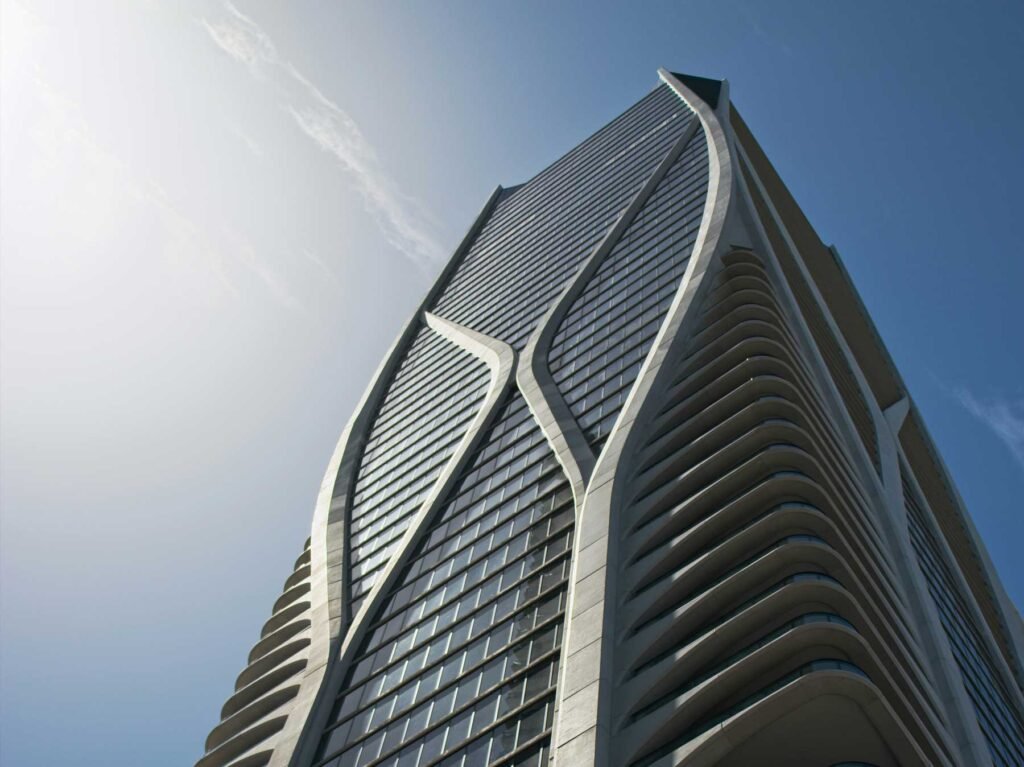
Bay Point — photography to follow
Every waterfront page on this site comes back to one variable: can a boat get to the bay, and how many bridges are in the way? Across the Coral Gables enclaves that single question drives a 2.4x spread in price per square foot. Bay Point answers it in one line — direct access to Biscayne Bay with no bridges — and it does so on the mainland, next door to the Design District.
Bay Point — the record, as of 5 August 2026
1937
250 single-family
Approximately 90
Direct to Biscayne Bay — no bridges
Direct bay, or frontage on the Sabal waterway or Sabal Lake
From 13,000 sq ft
Privately owned and maintained by residents
Gate officers plus a roaming patrol, able to restrict access
Community figures from the Bay Point community’s own published description, verified 5 August 2026. County context: MIAMI Association of Realtors, June 2026 — single-family median $695,000, 4.9 months of supply.
“No bridges” is the whole argument
Bay Point’s own description is specific about it: “With privately owned canals and waterways and direct access to the Biscayne Bay — with no bridges.”
Understand what that is worth. Across the gated waterfront enclaves of Coral Gables and the southern bayfront, price per square foot runs from roughly $1,300 at Sunrise Harbour to $3,100 at Gables Estates. That 2.4x spread, across communities within a few miles of each other, tracks dockage far more closely than it tracks prestige, lot size or house quality — channel depth, bridge clearance, and the number of turns to open water.
An enclave where a large vessel reaches the bay without a bridge restriction sits at the top of that ladder. Bay Point has that condition and pairs it with something none of the Gables enclaves can offer: you are on the mainland, immediately beside the Design District, rather than half an hour south. For a buyer whose life is in Midtown, Wynwood, the Design District or Downtown and whose boat matters, that combination is genuinely difficult to replicate.
Verify it at the lot, not the neighbourhood. Roughly 90 of the 250 homes are waterfront, and they are not all the same product — some front the bay directly, others the Sabal waterway or Sabal Lake. Depth, frontage and turning room vary. Measure the specific dock.
What “private” actually means here
This is not a gate with a code. According to the community, the streets themselves are privately owned and maintained by the residents, along with “the roaming safety patrol and security gate officers, which can restrict access.”
That structure has real consequences a buyer should price:
- Residents fund the streets. Private roads mean private maintenance, resurfacing and drainage — costs that a public-street neighbourhood pushes onto the city. Ask what the current assessment covers and what capital work is scheduled.
- Access control is genuine. Staffed gates plus a roaming patrol is a materially different security posture from an unmanned barrier, and it is a recurring operating cost rather than a one-off installation.
- Scarcity is structural. 250 homes, established in 1937, with no land left to add. Turnover is what creates supply, and there is not much of it.
Established 1937 — which means an older housing stock
A community founded in 1937 with lots from 13,000 square feet contains, by definition, a wide range of vintages: original houses, mid-century rebuilds, and modern replacements on the same streets. That is an opportunity and a diligence burden at once.
What it means practically: the value gap between a well-executed modern house and an unrenovated older one is large, and a comparable set that mixes them will mislead you in whichever direction you are least expecting. Establish, for the specific property — year built and year of any substantial rebuild; permit history on every addition; roof age and impact-glass status against current insurance requirements; and, on the water, seawall condition and what a compliant replacement would cost across the full frontage. On 1930s-platted waterfront, the seawall is frequently the largest unbudgeted number in the transaction.
How it sits against the alternatives
Against the Coral Gables enclaves, Bay Point trades location for location: you give up the Gables school and country-club context and gain fifteen minutes to Downtown and immediate proximity to the Design District — while keeping bridge-free bay access, which is the expensive part.
Against the Miami Beach islands, you give up the beach and gain mainland access, private streets and a guarded gate. Against Miami Shores or Belle Meade further north, you are paying for the gate, the patrol and the private streets — which is a real product difference, not a marketing one.
The county single-family market for context: median $695,000 in June 2026, up 3.73% year over year, on 4.9 months of supply — a seller’s market. The top 5% of Miami-Dade houses begins at $4.3 million and the top 1% at $15.0 million. Bay Point’s waterfront sits well inside the luxury tier; its non-waterfront stock spans a wider band.
What I would check before offering
Whether the lot is waterfront, and which water — direct bay, Sabal waterway or Sabal Lake are three different assets. Dock depth, frontage and turning room, measured. Seawall condition and replacement cost. The assessment: what it funds, what capital work is scheduled for the private streets, and the current reserve position. Permit history and year of substantial rebuild. Roof and impact glass against insurance requirements. Flood zone and elevation.
Tell me which street you are looking at and I will tell you what the water actually does there — which, in Bay Point, is most of the value.
Bay Point, Miami — common questions
What makes Bay Point different from other Miami gated communities?
Direct access to Biscayne Bay with no bridges, on the mainland, immediately beside the Design District. Across the Coral Gables waterfront enclaves, price per square foot runs from about $1,300 to $3,100 — a 2.4x spread driven mainly by dockage, meaning channel depth, bridge clearance and turns to open water. Bay Point has the bridge-free condition without being half an hour south.
How many homes are in Bay Point?
250 single-family homes, of which approximately 90 are waterfront estates — fronting the bay directly, or the Sabal waterway, or Sabal Lake. Lots start at 13,000 square feet. The community was established in 1937, so there is no land left to add and supply comes only from turnover.
Is Bay Point really private?
More so than most. The streets themselves are privately owned and maintained by the residents, along with a roaming safety patrol and security gate officers who can restrict access. That is a different posture from an unmanned barrier — and it means residents fund road maintenance, resurfacing and drainage that a public-street neighbourhood would push onto the city. Ask what the assessment covers and what capital work is scheduled.
Are all Bay Point waterfront homes the same?
No, and this is the most important distinction to make before offering. Roughly 90 of the 250 homes are waterfront, but some front Biscayne Bay directly while others front the Sabal waterway or Sabal Lake. Depth, frontage and turning room vary between them. Measure the specific dock rather than relying on the neighbourhood’s description.
What should I watch out for in a 1937 community?
Mixed vintages on the same streets — original houses, mid-century rebuilds and modern replacements. The value gap between a well-executed modern house and an unrenovated older one is large, so a comparable set that mixes them will mislead. Check year built and year of any substantial rebuild, permit history on every addition, roof age and impact glass against insurance requirements, and on the water the seawall condition and replacement cost. On 1930s-platted waterfront the seawall is frequently the largest unbudgeted number in the deal.
How does Bay Point compare to the Coral Gables enclaves?
You trade context for location. You give up the Gables school and country-club setting and gain roughly fifteen minutes to Downtown plus immediate Design District proximity, while keeping bridge-free bay access, which is the expensive part of the equation. Against the Miami Beach islands you give up the beach and gain mainland access, private streets and a staffed gate.
Sources and further reading
- Bay Point — the community’s own published descriptionbaypointmiami.com
- MIAMI Association of Realtors — Miami-Dade Real Estate Posts Best June in Three Years, 17 July 2026miamirealtors.com
- MIAMI Association of Realtors — South Florida Luxury Home Market Reaches New Milestones, 23 July 2026miamirealtors.com
Related coverage
Part of Miami Neighborhoods.