


Neighborhoods · Design District Miami
What Design District costs on the public record — recorded sales, not asking prices.
By Josh Stein · Florida license SL3057661 · Updated 10 October 2026Leer en español →
- Asking range$50,000 to $75,000,000
- List price per sq ft$561
- Months of inventory8.7
- Sold, 12 months10308


Listing information is deemed reliable but is not guaranteed and is provided exclusively for consumers' personal, non-commercial use. Data is supplied by the MLS and may be subject to change or withdrawal without notice.
Last updated 15 minutes ago
Recently sold in Miami
4 listings


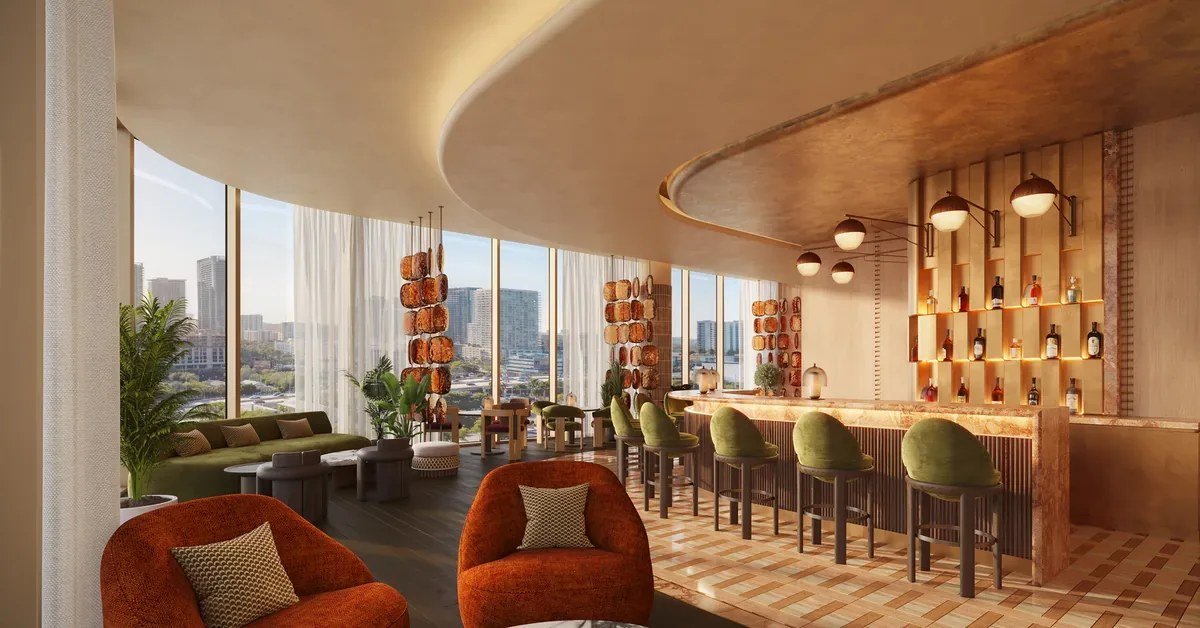
The amenity bridge linking the north and south towers at Kempinski Residences Miami Design District, developer rendering
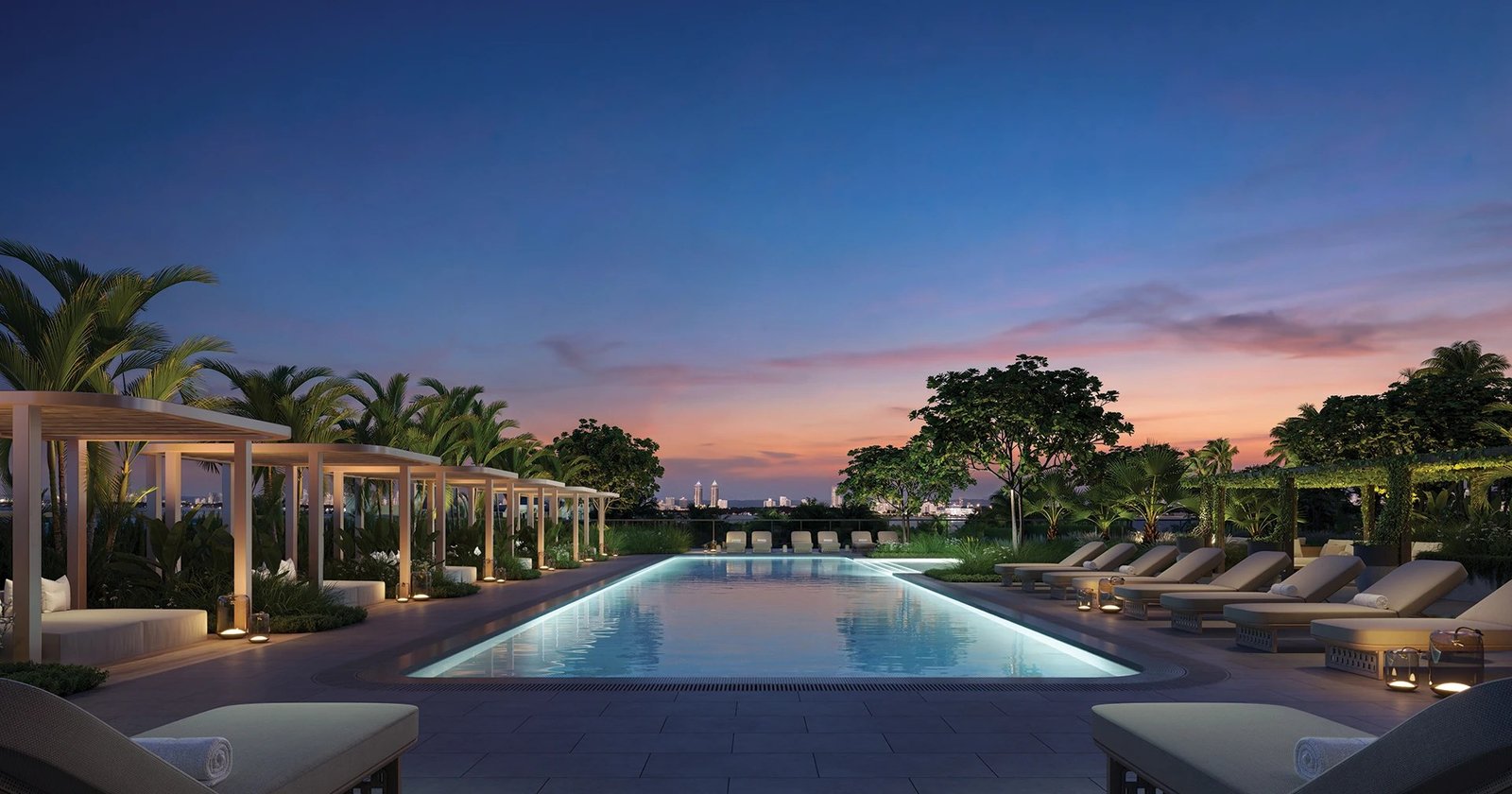
The amenity garden at Kempinski Residences Miami Design District, landscape by Enea, developer rendering
The executive boardroom at Kempinski Residences Miami Design District, developer rendering
The landscaped lawn between the towers at Kempinski Residences Miami Design District, developer rendering
A kitchen at Kempinski Residences Miami Design District with Biscayne Bay beyond, developer rendering
A kitchen island and bar seating at Kempinski Residences Miami Design District, developer rendering
A kitchen at Kempinski Residences Miami Design District, developer rendering
Every building we track in Design District Miami Real Estate
2 condominiums we track in Design District Miami Real Estate, from the county roll. 2 of them have a building page.
What Design District actually costs
Asking prices are opinions. This is what buyers actually paid — every qualified, arm’s-length sale on the county record, in the Design District buildings we track.
2026 to date−12.8%vs 2024 peak
205 homes across 2 condominium declarations on the county record. Median of qualified, arm’s-length sales, straight from the roll — not a portal’s estimate, and not the whole neighbourhood: these are the buildings we track.
Did owners make money · 105 resales on the record

The Design District at a glance
- A district with almost no housing is about to get roughly 1,000 residential units. Five projects are in the pipeline at once, in a neighbourhood that until now was retail, galleries and restaurants with people living somewhere else.
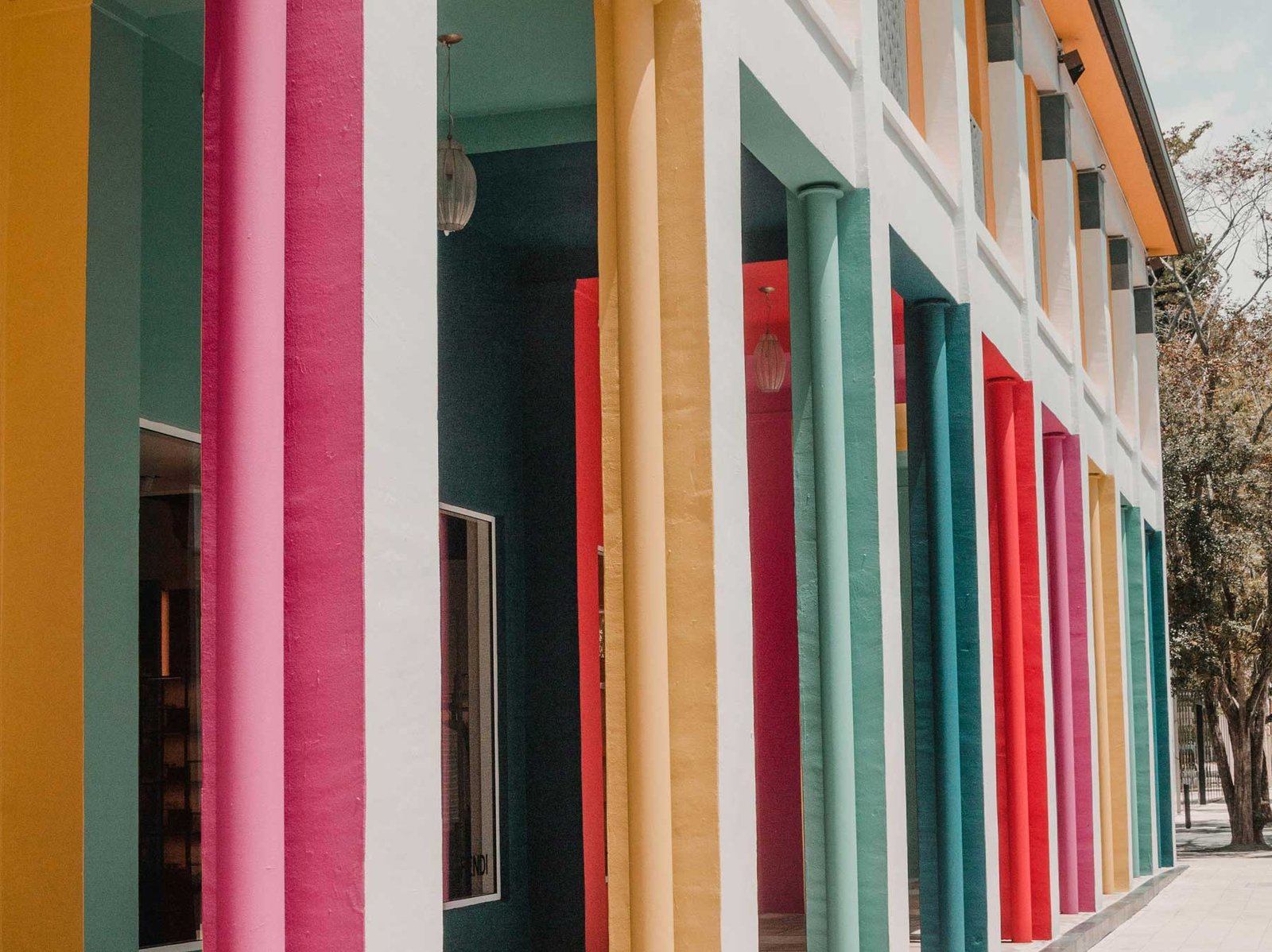
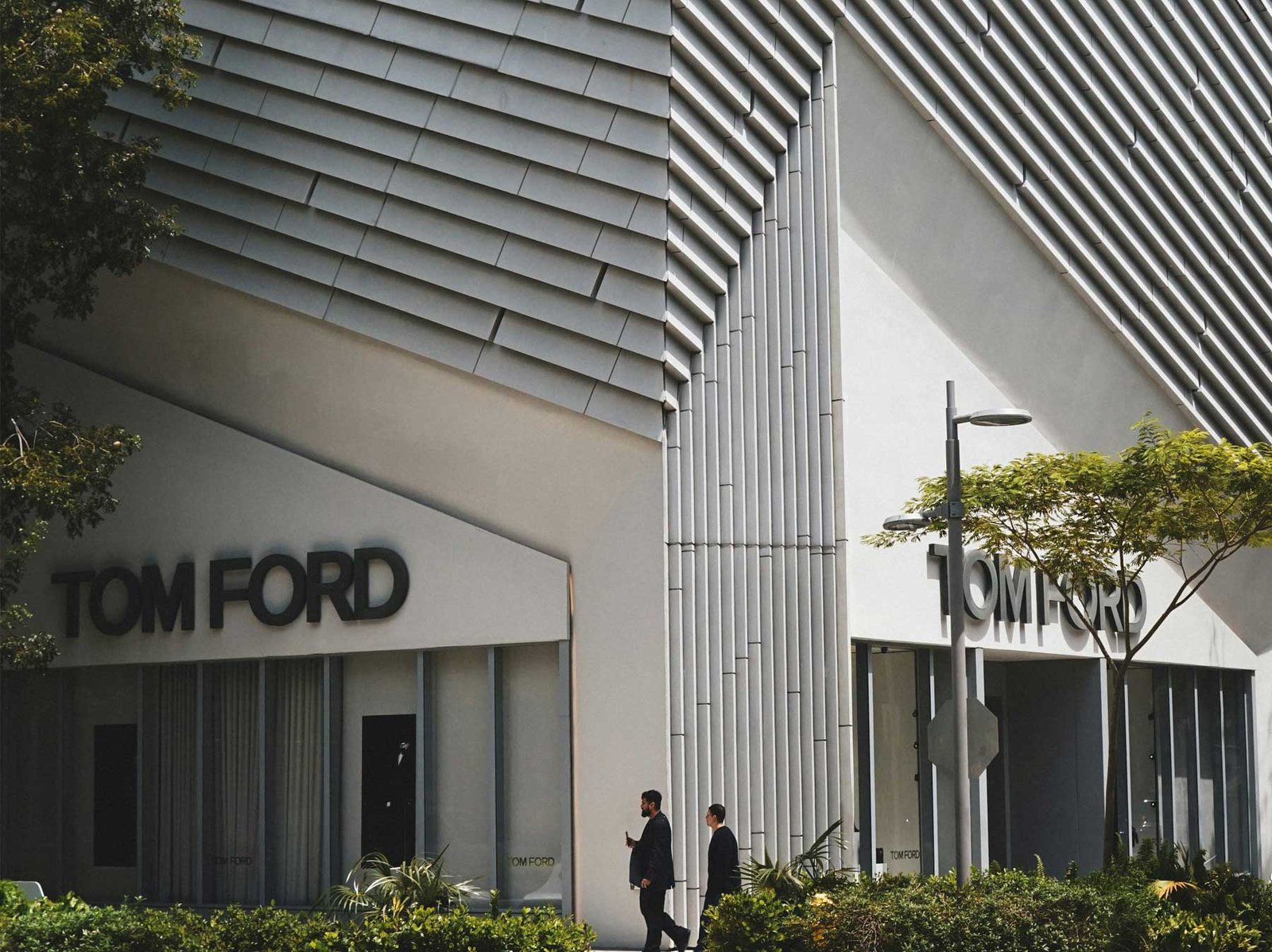
- The anchor came first, the housing second. Gucci, Louis Vuitton, Fendi and Prada were here before the condominiums. Developers are explicitly following the retail — the comparison they make is Fifth Avenue and Rodeo Drive.
- Entry is around $1 million; the top of the current pipeline passes $9.8 million. That is a genuinely wide range for one small district.
- Delivery runs 2027 to 2029. Nothing here is finished. Every one of these buildings is a pre-construction decision.
- This is the inverse of Edgewater. Edgewater has thousands of units chasing a view. The Design District has a proven daytime economy and, until now, nowhere to live.
~1,000 units in the pipeline | 5 projects at once | $1M–$9.8M price range | 2027–29 delivery |
What is actually being built
Five projects, close to 1,000 units, all announced or under way at once. This is the whole story of the neighbourhood in 2026.
- Jean-Georges Miami Tropic Residences — 338 units across 49 stories at 3501 NE 1st Avenue, from Terra and Lion Development Group. $1 million to over $6 million. The largest and the tallest.
- The Helm — 162 condominiums plus 116 apartments across 36 stories at 4201 NE 2nd Avenue, from Helm Equities.
- Miami Design Residences — 143 condominiums and an 85-key hotel across 26 stories at 30 NE 39th Street, with Fouquet's operating the hotel. $1.7 million to $9.8 million.
- Kempinski Residences — 132 units in two 23-story buildings at 3801 and 3883 Biscayne Boulevard, from DaGrosa Capital. From $3.7 million, at 2,100–3,100 square feet. Delivery 2029.
- Cassi — 107 rentals across 20 stories at 91–93 NE 36th Street, averaging 1,500 square feet, delivering 2027 on a $125 million construction loan.
Two things stand out. The unit sizes are large — Kempinski at 2,100 to 3,100 square feet and Cassi averaging 1,500 are not investor studios. And two of the five carry hotel-brand operators, which tells you who the developers think the buyer is.
The two towers from the east, over Biscayne Bay. Developer rendering.
The block from the air, at the north end of the Design District.
The private drive that runs between the two towers.
The residential lobby. Interiors are by Rockwell Group.
A great room, with the bay on two sides.
The north tower pool deck.
A private terrace. Balconies are published at ten feet deep.
Why developers are building housing next to handbag shops
The stated logic is simple and worth taking seriously: people want to live near high-end retail. The reference points developers cite are Fifth Avenue and Rodeo Drive.
What makes the Design District unusual in Miami is the order things happened in. Almost every other new residential district here was built on a view or on empty land, and the amenities arrived afterwards — or didn't. Here the anchor was already in place: an established luxury retail district with real international footfall, restaurants that operate at night, and the Institute of Contemporary Art.
That changes the risk profile. A buyer in Edgewater is partly betting that a neighbourhood materialises around the tower. A buyer here is betting that people want to live inside a district that already works.
It also changes the downside. If absorption is slow, the Design District still functions perfectly well without its residents. The same cannot be said of every submarket on this map.
Design District buildings
The residential layer around the Design District is thin and new. These are the buildings with pages on this site.
- Baltus House
Biscayne Blvd - One Bay Residences
NE 39th Street - Quadro Residences
Biscayne Blvd
What to understand before you buy here
- Everything is pre-construction. Deposit structure, developer track record and delivery risk matter more than finishes. Read the Miami pre-construction guide before you sign anything.
- Delivery is 2027 to 2029. That is a long runway, and roughly 1,000 units arriving into a district with no resale history means the first two years of resales will set the pricing for everyone.
- There are no comparables yet. Genuinely none. Pricing here is being set by developers against retail rents and against Brickell and Edgewater, not against past Design District trades — because there aren't any.
- Ask what you are actually next to. The district is compact. Being on 39th Street and being on Biscayne Boulevard are meaningfully different addresses, and the noise, traffic and outlook differ accordingly.
- The retail is the amenity and it is also the risk. This thesis depends on the luxury retail district staying what it is. It is strong today — but you are underwriting it, so understand it.
How it compares to the neighbours
- Design District — proven retail and culture, essentially no existing housing stock, ~1,000 units coming, $1M–$9.8M, all pre-construction.
- Edgewater — bayfront views, 12 to 20+ months of supply, closings 5–12% below ask, and several thousand units still to land. Buy on basis, not on story.
- Midtown — immediately south, denser and more affordable, with an established rental market.
- Wynwood — the creative and nightlife anchor next door, converting to residential on a similar logic but at a different price point.
- Brickell — the mature version of the same idea: retail, offices and residential stacked together, already proven, already priced.
If Brickell is what happens after twenty years of that formula working, the Design District is what year one looks like.
Who it suits
Buyers who want walkable luxury retail and restaurants on the doorstep and do not need a water view. That is a real and underserved preference in Miami, where almost everything at this price point is sold on the bay or the ocean.
Buyers comfortable with pre-construction and a 2027–2029 horizon, who can wait.
It does not suit anyone who needs to see the finished product, wants a resale comparable to price against, or is buying for near-term rental yield into an untested market.
How I would approach it
The Design District is the most interesting new residential story in Miami right now, and it is also the one with the least evidence behind it. Roughly 1,000 units, no resale history, no comparables, and five developers pricing off the same thesis at the same time.
That is not a reason to avoid it. It is a reason to be specific about deposit structure, developer balance sheet, delivery date and what happens if you need to exit before completion — and to buy the building whose economics work rather than the one with the best sales gallery.
I have been selling Miami real estate since 2002 and have closed more than a billion dollars in property. Tell me which of these five you are looking at and I will give you a straight read on the developer, the terms and the risk.
Get in touch, or read more about how I work. The Miami neighbourhoods map covers the alternatives.
Miami Design District real estate: frequently asked questions
Can you live in the Miami Design District?
Increasingly, yes — but almost nothing is finished. Roughly 1,000 residential units are in the pipeline across five projects: Jean-Georges Miami Tropic Residences (338 units, 49 stories), The Helm (162 condos plus 116 apartments, 36 stories), Miami Design Residences with Fouquet's (143 condos and an 85-key hotel, 26 stories), Kempinski Residences (132 units in two 23-story buildings) and Cassi (107 rentals, 20 stories). Delivery runs from 2027 to 2029.
How much do Design District condos cost?
Entry is around $1 million at Jean-Georges Miami Tropic Residences, which ranges to over $6 million. Miami Design Residences runs $1.7 million to $9.8 million. Kempinski Residences starts at $3.7 million, with units of 2,100 to 3,100 square feet. All of these are pre-construction prices — there is no resale history in the district to price against.
Why are developers building condos in the Design District?
Because the luxury retail came first. Gucci, Louis Vuitton, Fendi and Prada anchored the district before any housing existed, and developers are explicitly following that footfall — the comparisons they cite are Fifth Avenue and Rodeo Drive. It is the opposite order from most Miami submarkets, where towers are built on a view and the amenities are supposed to follow.
Is the Design District a good investment?
It has a genuine structural argument — an established retail and cultural anchor, real international footfall, and almost no existing residential stock. The risks are equally specific: everything is pre-construction, delivery runs to 2029, there are no resale comparables at all, and roughly 1,000 units will hit a district with no absorption history. The first two years of resales will set pricing for everyone. Buy on deposit structure and developer balance sheet, not on the sales gallery.
How is the Design District different from Edgewater?
They are close to inverse. Edgewater has bayfront views, 12 to 20-plus months of supply, closings landing 5–12% below asking, and several thousand more units still to be delivered. The Design District has no view premium, essentially no existing supply, and a daytime economy that already functions. In Edgewater you are buying at a discount into an oversupplied market; here you are paying full pre-construction pricing into an untested one.
What should I check before buying pre-construction in the Design District?
Deposit structure and what happens to your money if the project stalls; the developer's balance sheet and completion record; the contractual delivery date against the 2027–2029 range; whether you can assign or exit before completion; and the specific address, since being on 39th Street and being on Biscayne Boulevard are meaningfully different in noise, traffic and outlook. Also be clear that you are underwriting the luxury retail district staying what it is — that is the whole thesis.
Sources
- The Real Deal, 6 April 2026 — nearly 1,000 residential units in the Design District pipeline: project names, developers, unit counts, stories, addresses, price ranges, unit sizes, delivery dates and the developer rationale.
- The Real Deal, 23 April 2026 — sales launch for the Fouquet's-managed Design District condominiums.
Related coverage
Part of Miami Neighborhoods.