

South Florida New Construction · Edgewater · Missoni Baia
246 residences on the county roll, 249 as the developer markets them, across 57 floors.
By Josh Stein · Florida license SL3057661 · Updated 25 September 2026
Verified 24 September 2026Miami-Dade County Property Appraiser, The Real Deal, Bisnow +11 more14 sources
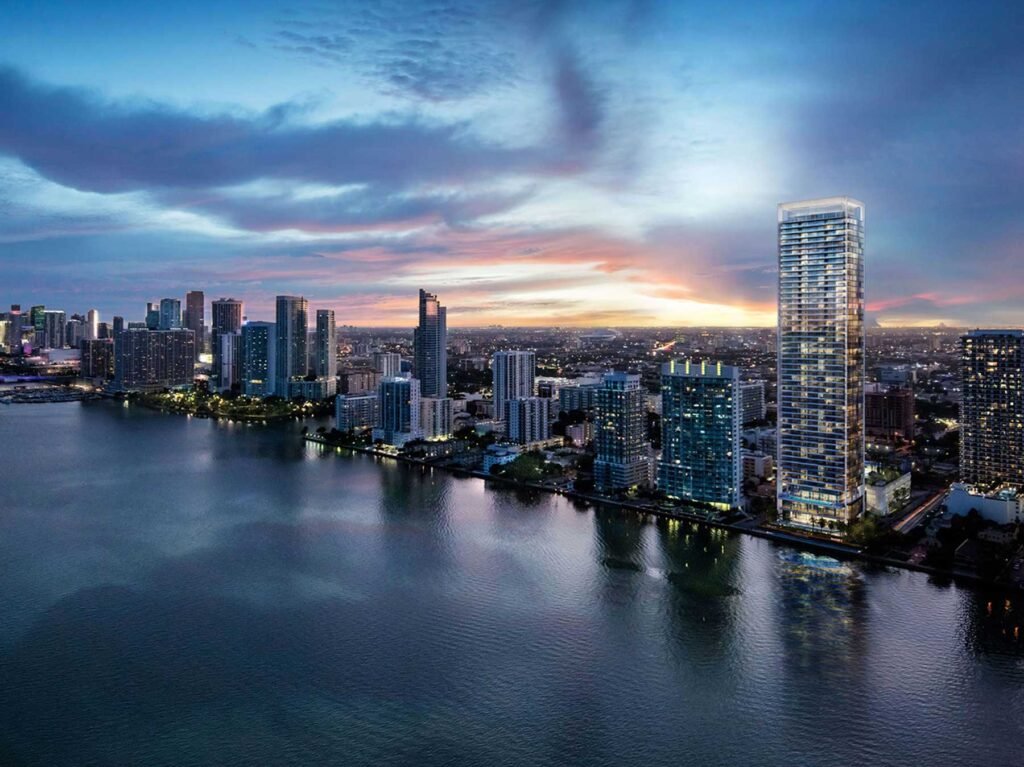
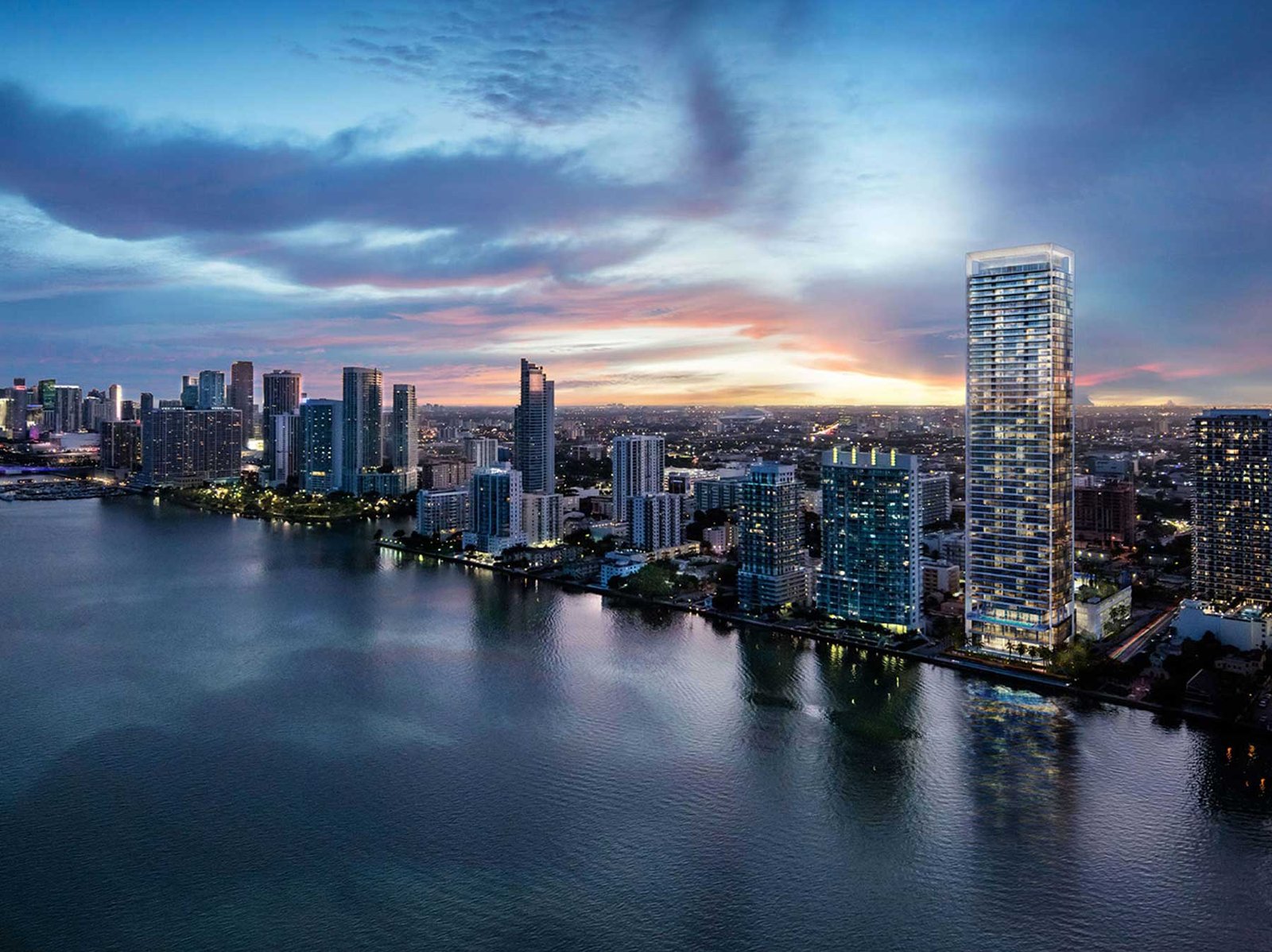
Missoni Baia in the Edgewater skyline at dusk — developer rendering
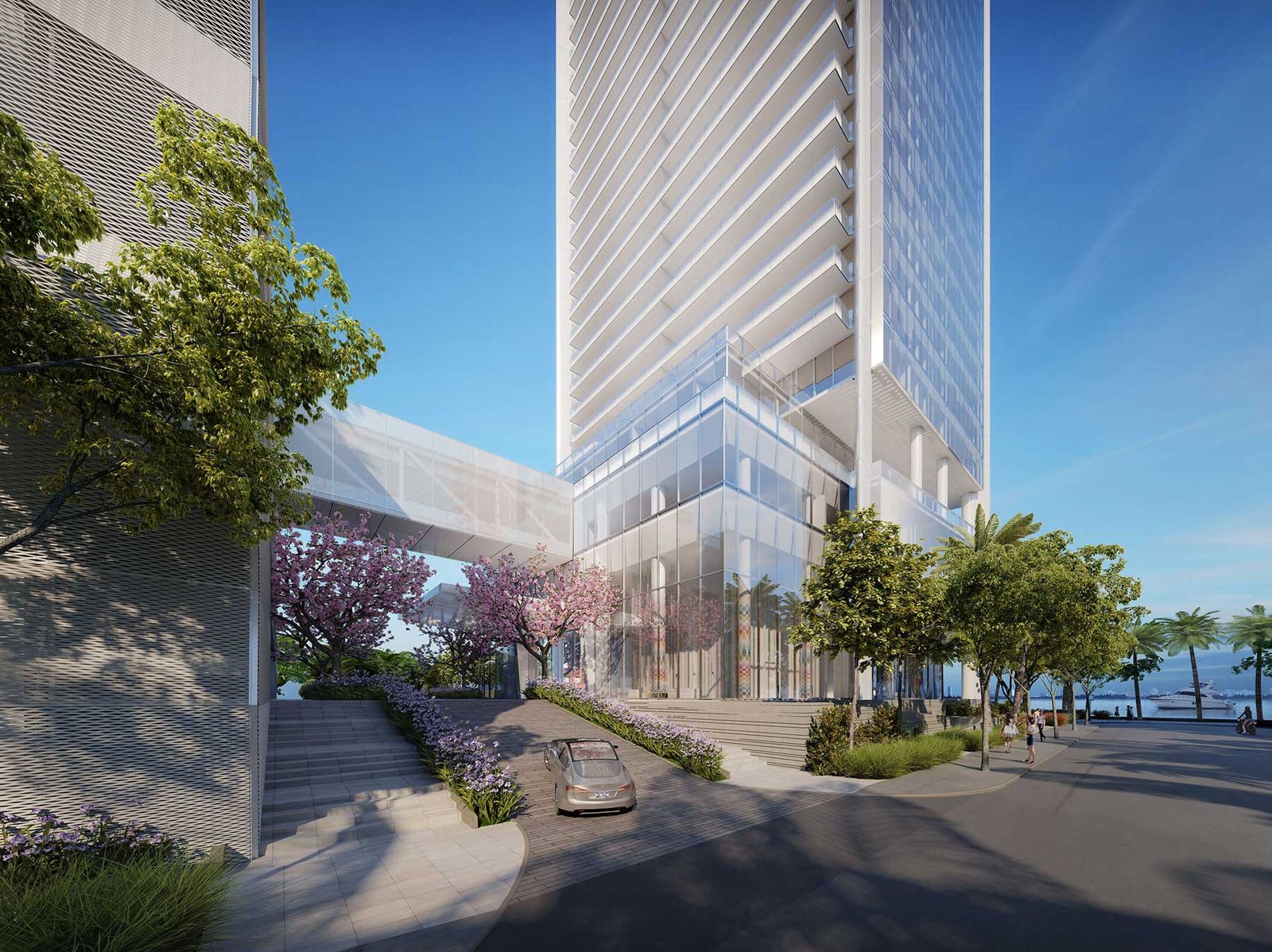
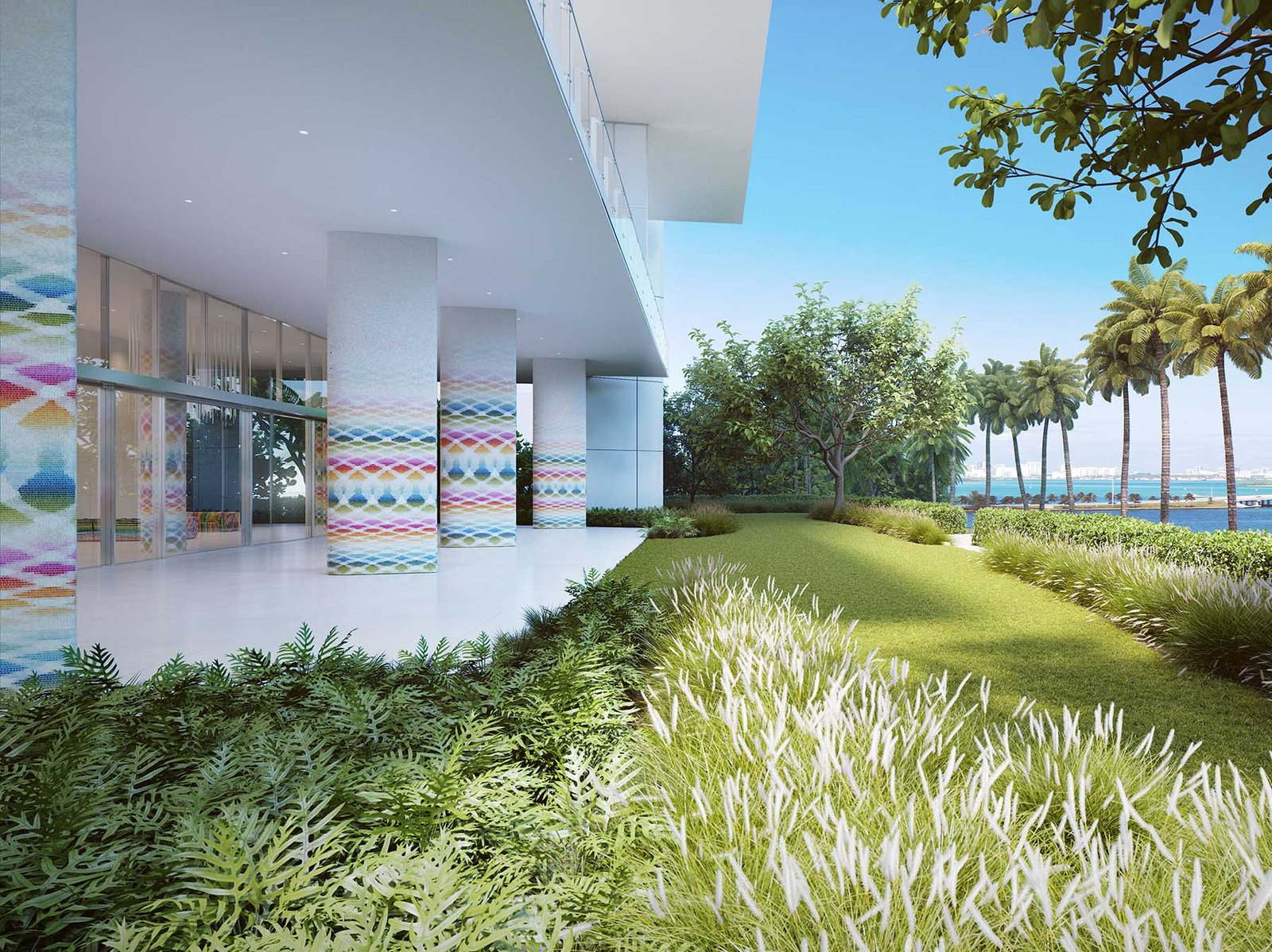
The landscaped base of Missoni Baia — developer rendering
The bayfront lawn at Missoni Baia — developer rendering
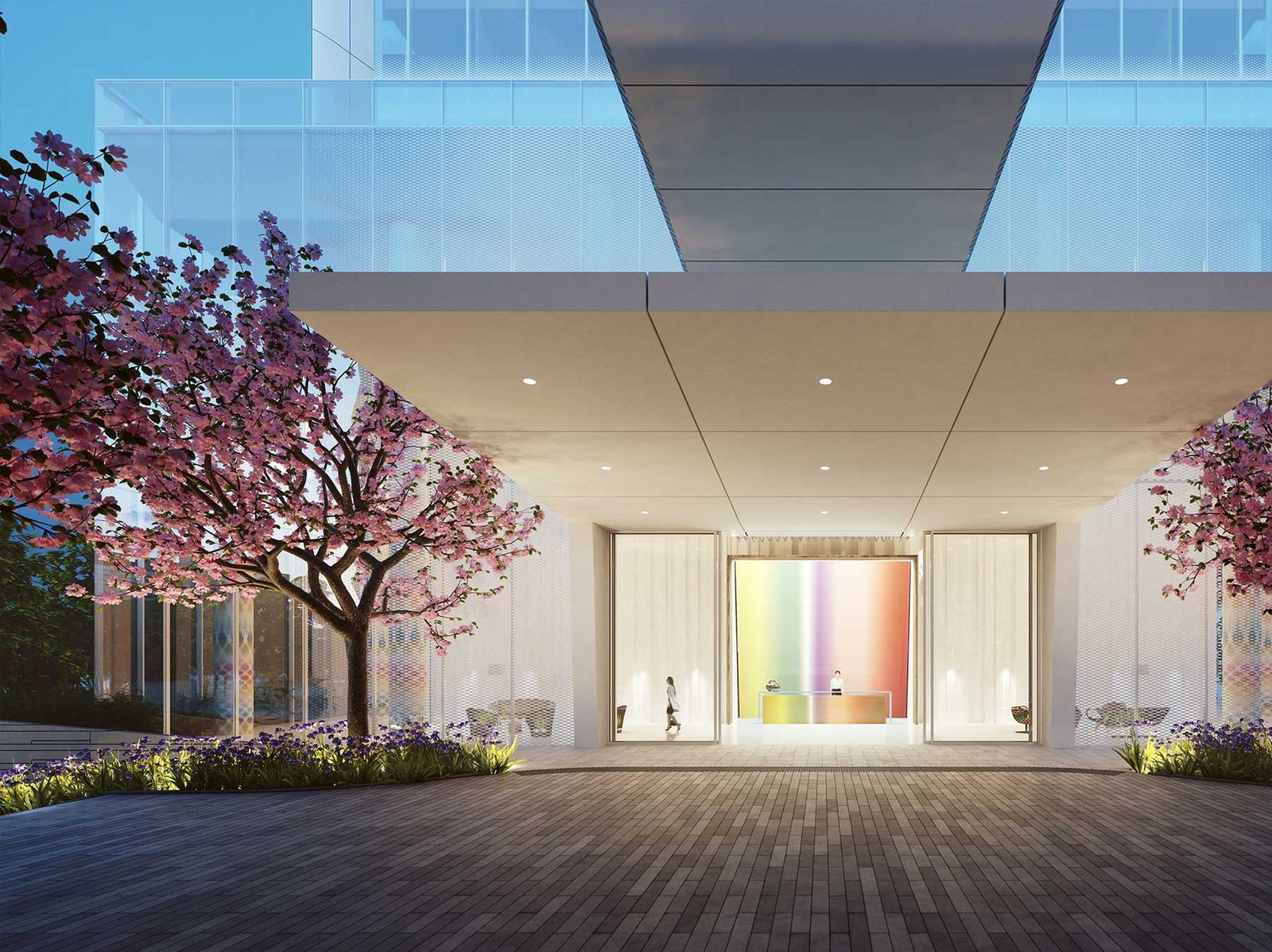
The lobby at Missoni Baia — developer rendering
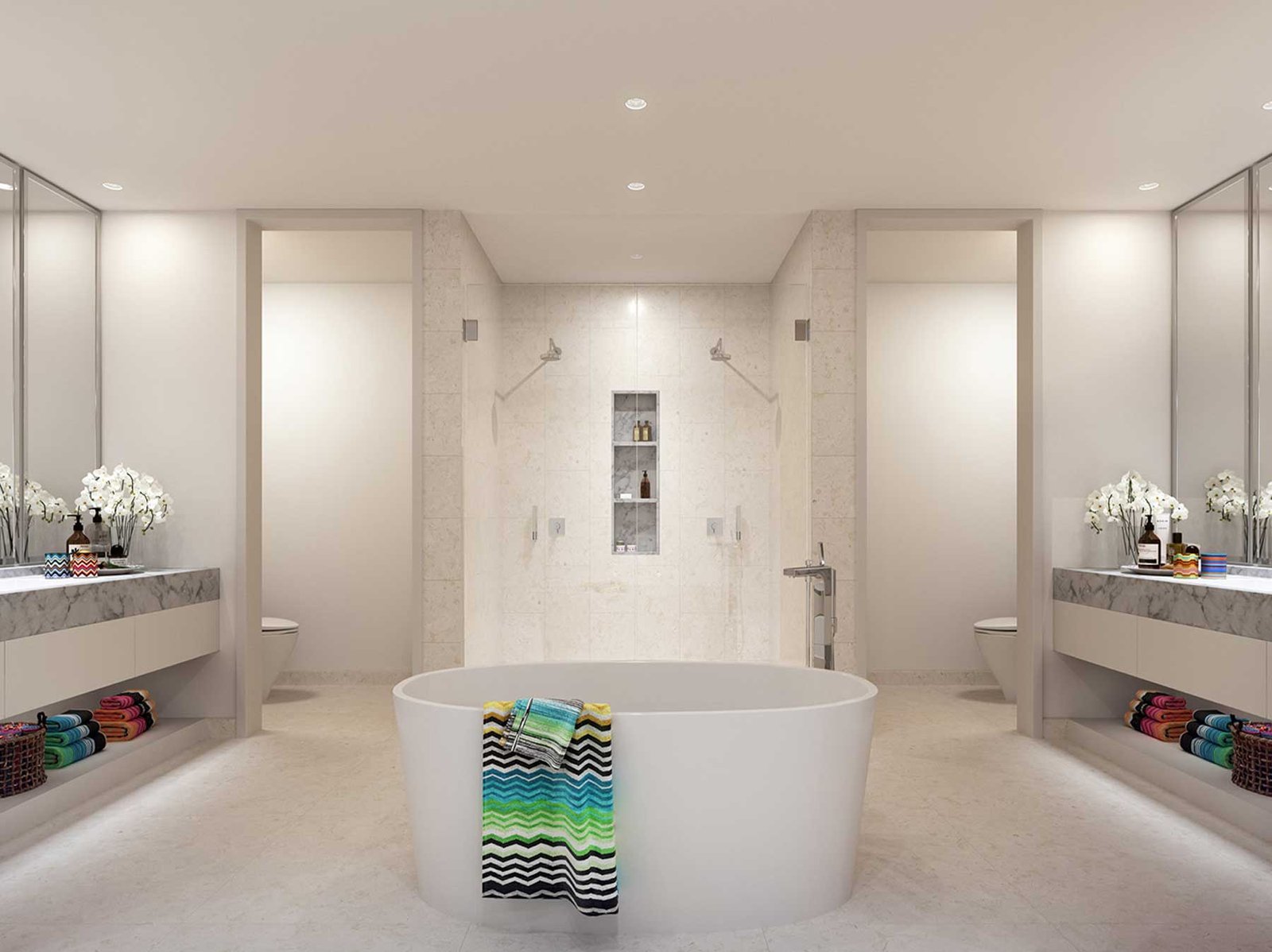
A primary bathroom at Missoni Baia — developer rendering
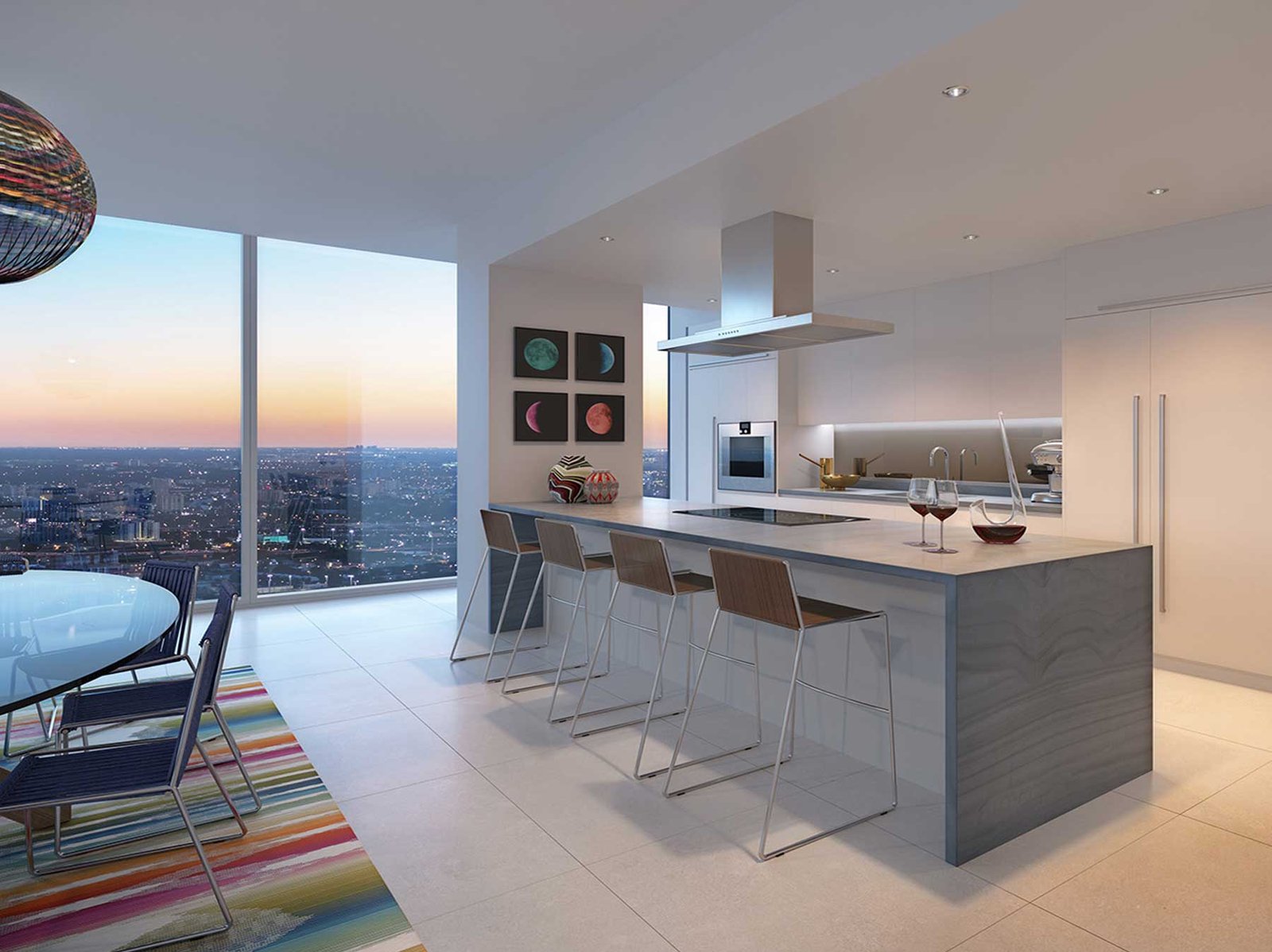
A residence kitchen at Missoni Baia — developer rendering
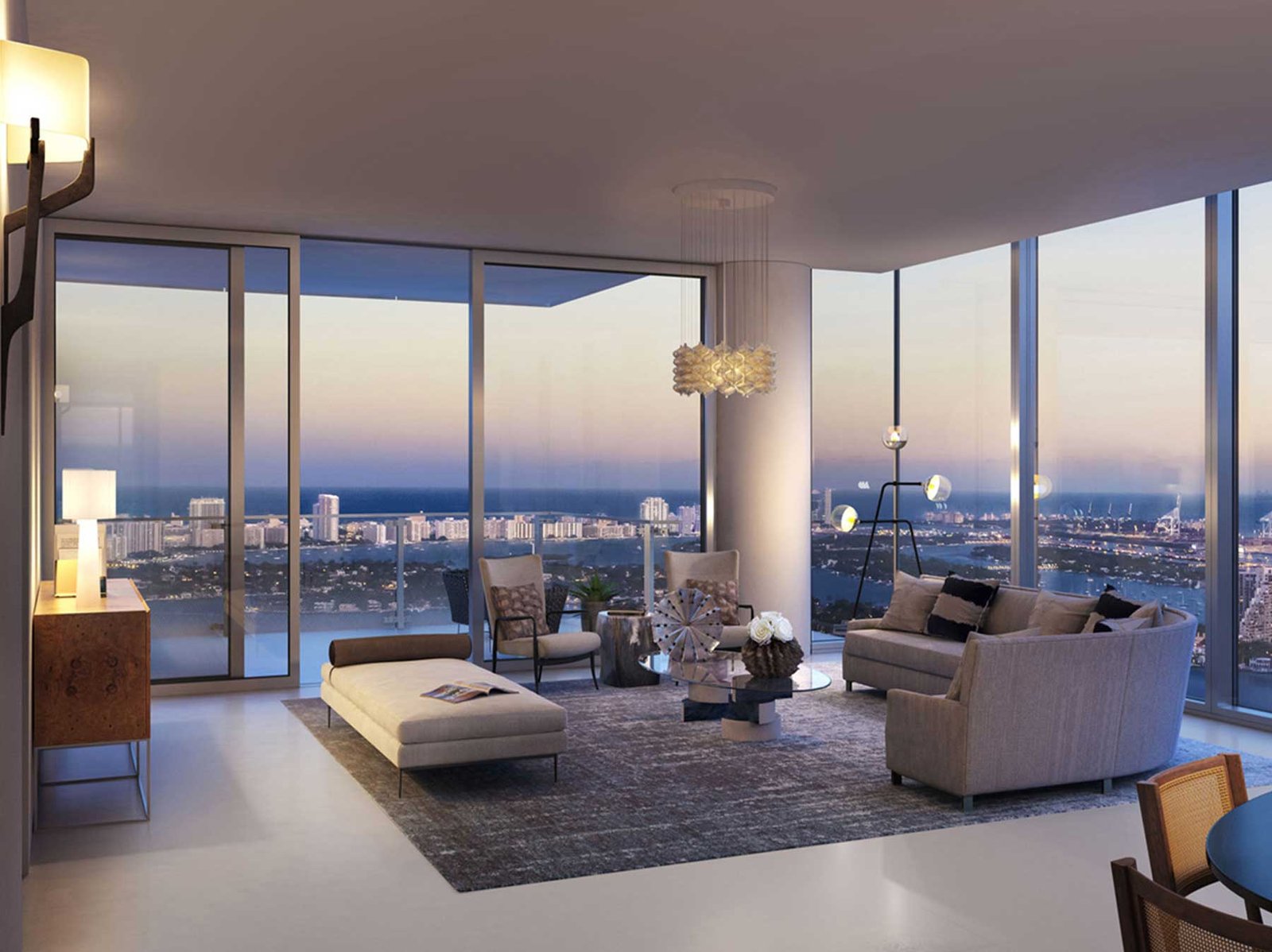
A residence living room at Missoni Baia — developer rendering
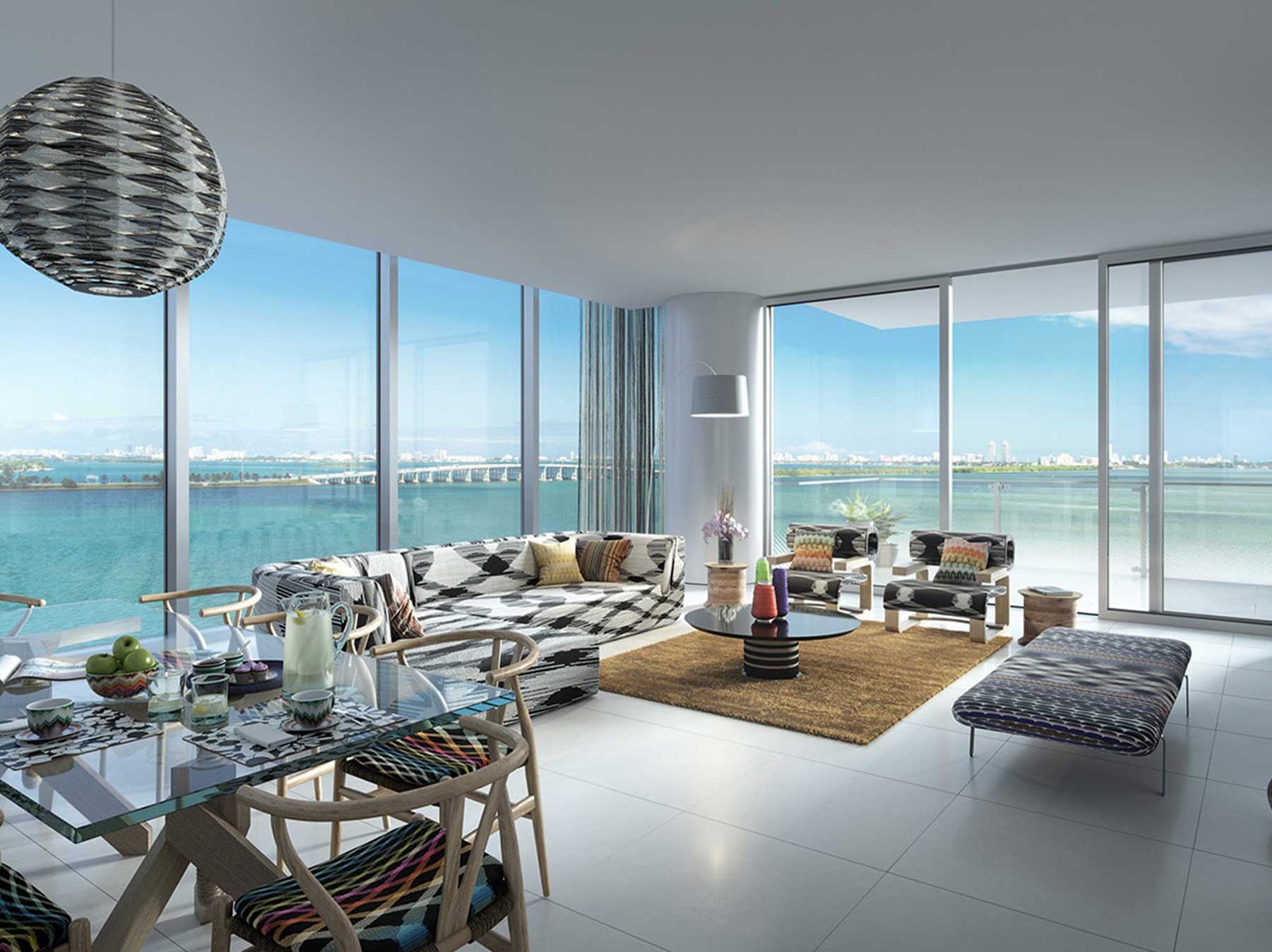
A residence living and dining room over Biscayne Bay at Missoni Baia — developer rendering
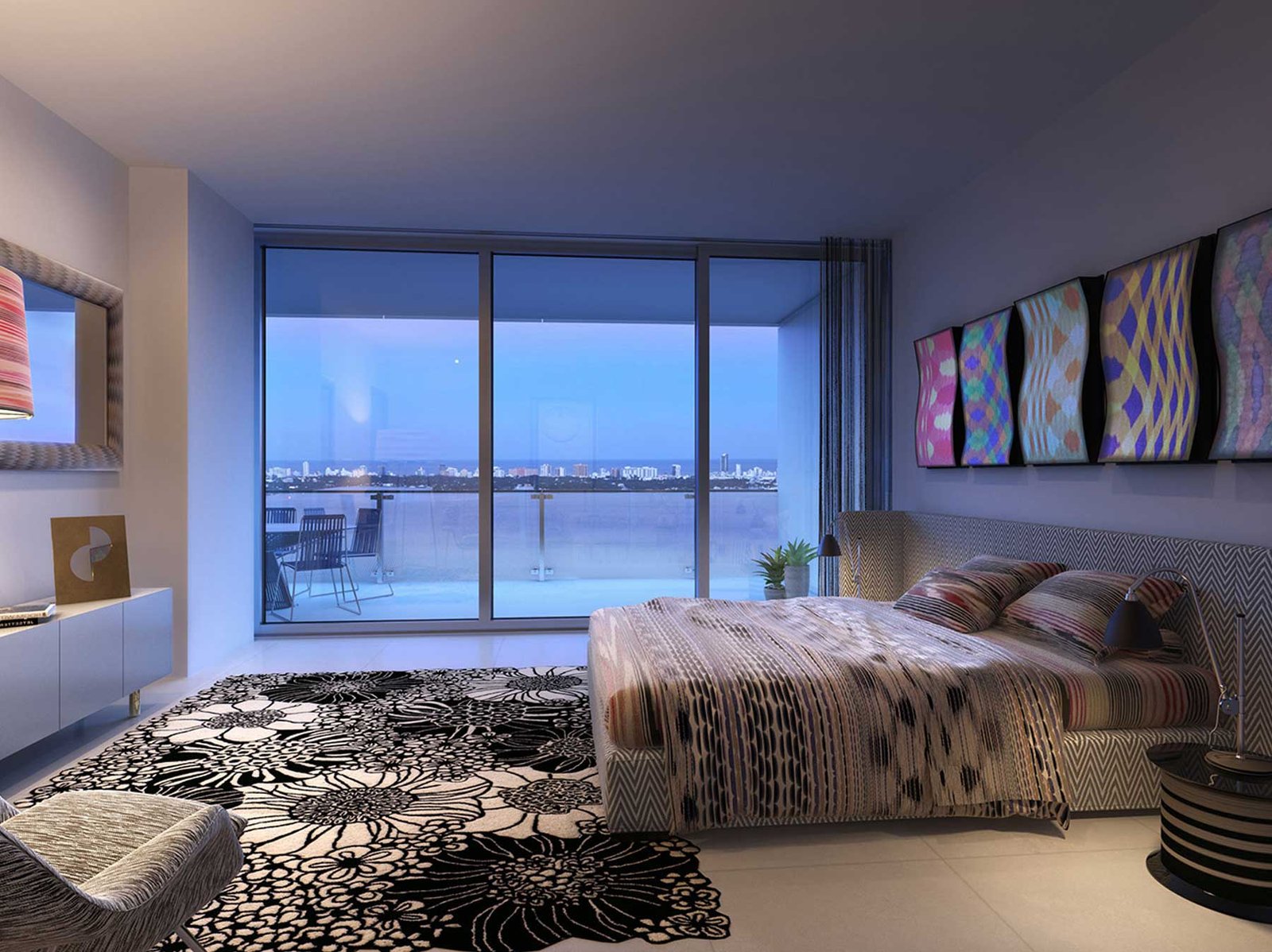
A bedroom at Missoni Baia — developer rendering
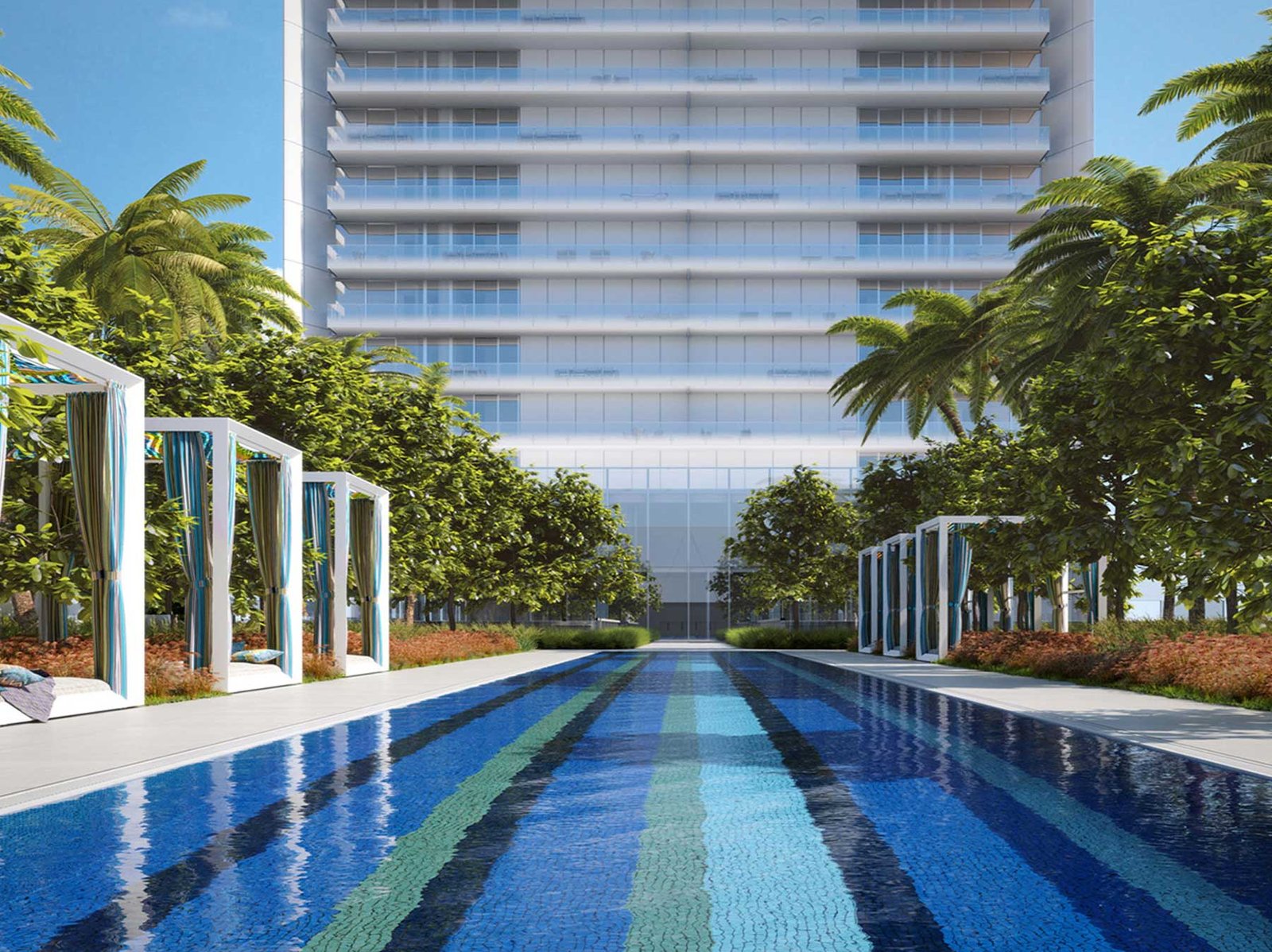
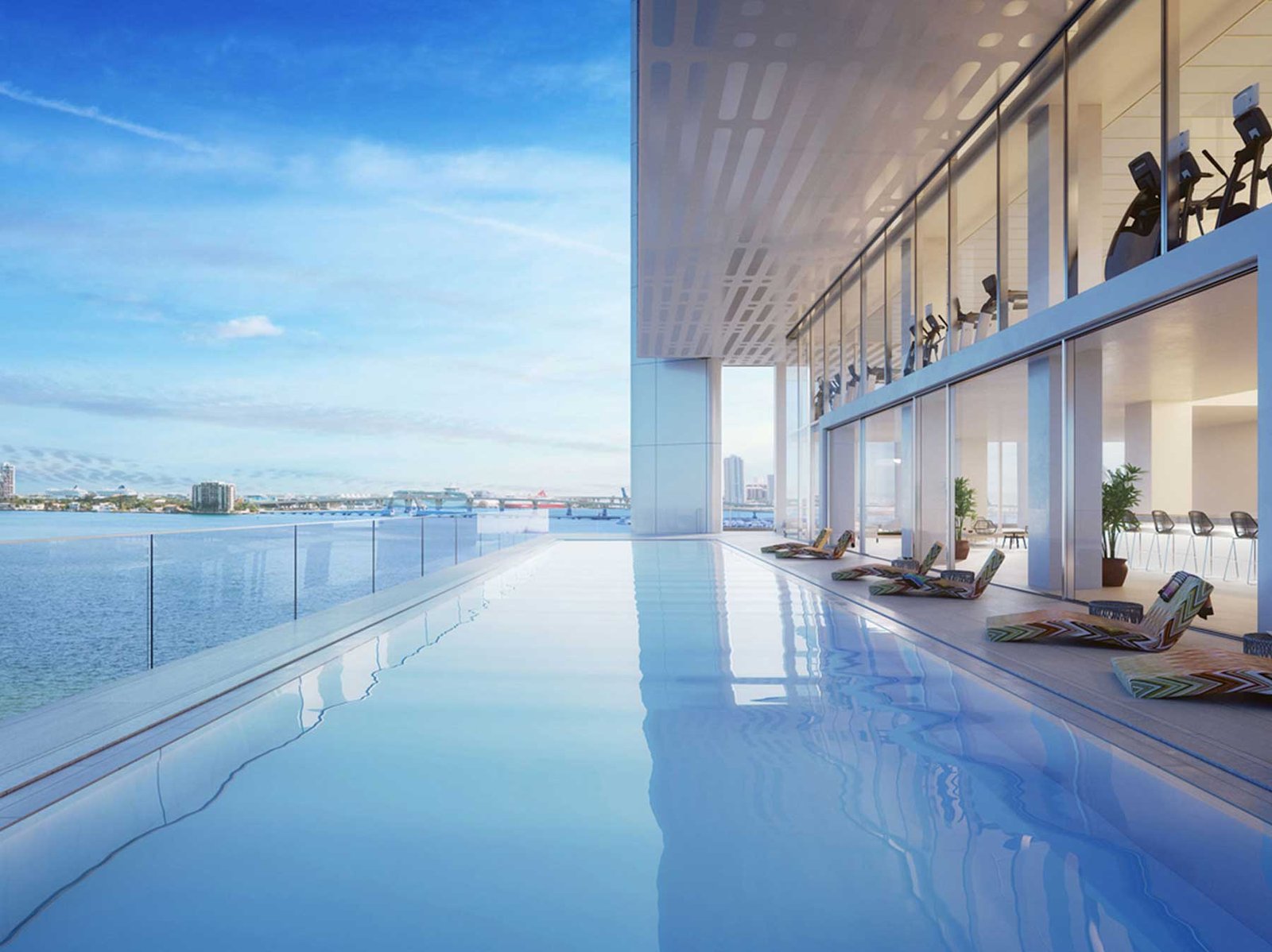
The lap pools at Missoni Baia — developer rendering
The indoor pool at Missoni Baia — developer rendering
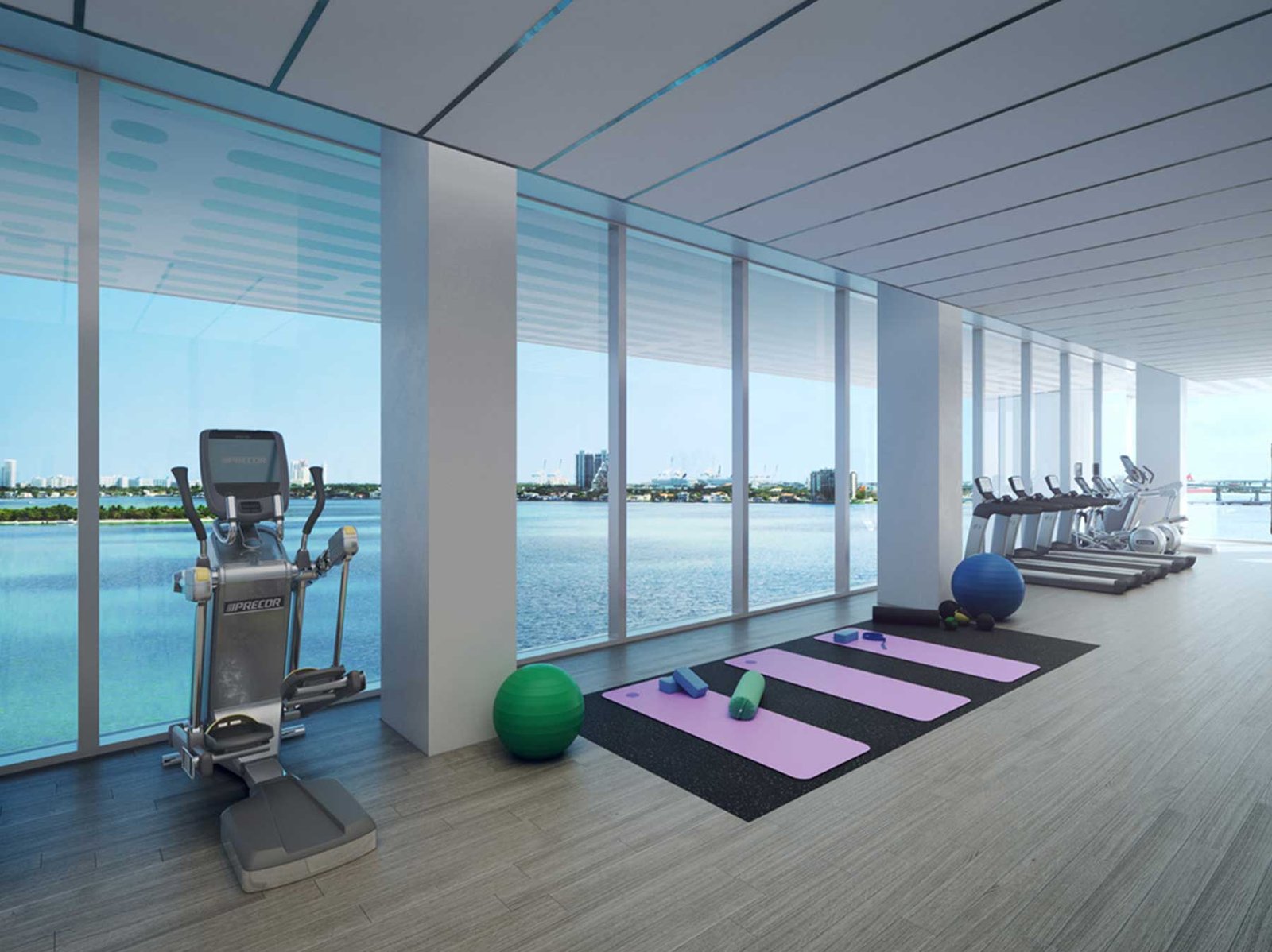
The fitness floor at Missoni Baia — developer rendering
Key Takeaways
- 246 residences on the county roll, 249 as the developer markets them, across 57 floors — at 700 NE 26th Terrace, the address the county and the owners’ association use (the press uses 777 NE 26th Terrace).
- Status: completed and occupied — listed as completed on the developer’s page (OKO Group, read 24 September 2026); the earliest sale the county records is dated 19 May 2023.
- Architecture by Asymptote Architecture.
- Year built: 2023 (county roll, retrieved 24 September 2026). The Real Deal dates the turnover to owners to 2024 (12 February 2026).
- Litigation: the owners’ association sued the developer, its architects, the general contractor and 19 subcontractors on 30 January 2026, listing 76 alleged defects. These are allegations, not findings (The Real Deal, 12 February 2026).
Missoni Baia, by the numbers
Developer: OKO Group with Cain International · Architect: Asymptote Architecture · The developer markets 249 residences; the county lists 246 residential folios (24 September 2026) · Qualified sales recorded from 2024 to 17 July 2026 ran from $550,000 to $8,700,000 (county); launch prices were about $650,000 to over $9 million (PROFILEmiami, 2 August 2021).
Missoni Baia is a branded tower in Miami that is built and occupied, so much of what a buyer needs to know can be read in documents rather than taken on faith. It has an association, an operating budget, an insurance renewal history and a record of actual bills. That is not a smaller opportunity. It is a different kind of purchase, and it should be underwritten rather than admired.
Have a question about Missoni Baia? This page is built from the county record and the trade press, not a listing feed. If you want what has actually closed here, or an honest read on whether it suits you, ask me directly.
| Address | 700 NE 26th Terrace, Edgewater (press: 777) |
| Height · storeys | 649 ft · 57 |
| Residences | 249 marketed · 246 on the county roll |
| Unit sizes | 776 – 3,788 sf |
| Bay frontage | 200 ft on Biscayne Bay |
| Parking | 399 spaces · about 1.6 per home |
| Developer | OKO Group · Cain International |
| Architect · interiors | Asymptote · Paris Forino |
| Status | Topped out July 2021 · built 2023 (county) |
What is actually there
Missoni Baia is a 649-foot, 57-storey tower of 249 residences as the developer markets it (246 residential folios on the county roll) on 200 feet of Biscayne Bay frontage in Edgewater, developed by OKO Group with Cain International. The architect is Asymptote Architecture — Hani Rashid and Lise Anne Couture — with interiors by Paris Forino under the creative direction of Angela and Rosita Missoni, and landscape by Enzo Enea. It topped out in July 2021 at 57 storeys (Florida YIMBY, 28 July 2021; PROFILEmiami reported it on 2 August 2021).
The county records 2023 as the year built for all 246 folios and dates the earliest sale on any of them to 19 May 2023 (Miami-Dade County Property Appraiser, retrieved 24 September 2026). Press accounts of the completion year differ: Bisnow (8 April 2026) says construction wrapped up in 2023 and residents moved in the following year, and The Real Deal (12 February and 7 April 2026) says the developer turned the building over, or completed it, in 2024.
249 or 246 residences? The developer’s page (OKO Group, read 24 September 2026), Florida YIMBY (28 July 2021), PROFILEmiami (2 August 2021) and The Real Deal (12 February 2026) say 249. The county lists 246 residential folios under 700 Edgewater Condominium, and the owners’ association’s own website (read 24 September 2026) and Bisnow (8 April 2026) say 246. I have not found a source that explains the three-unit difference.
700 or 777 NE 26th Terrace? The county carries every folio at 700 NE 26 Terrace, Miami 33137, and the association’s website gives the same address. Florida YIMBY (28 July 2021), PROFILEmiami (2 August 2021), The Real Deal and Bisnow (2026) use 777 NE 26th Terrace; the county’s address index returns no folio at that number (checked 24 September 2026).
Residences run from 776 to 3,788 square feet, one through five bedrooms, inside a total planned envelope of roughly 1,150,000 square feet. At launch the price band ran from around $650,000 to over $9 million (PROFILEmiami, 2 August 2021).
The amenity programme the developer announced at topping off (PROFILEmiami, 2 August 2021) is unusually water-heavy: five separate water bodies, including an Olympic-length lap pool, a cantilevered infinity pool, a lounge pool, a whirlpool spa and a children’s pool, plus elevated tennis courts, a gym, yoga and Pilates studios, a spa with sauna and steam, a kids’ club, a salon, a pet spa and a screening room. Parking runs to 399 spaces (Florida YIMBY, 28 July 2021) for the 249 residences as marketed.
The most important fact is the least glamorous one
This building is built and occupied. That single fact changes what you are buying and how you should buy it.
A pre-construction purchase is an act of faith in documents that do not exist yet. The budget is a projection. The reserve study is a plan. The insurance premium is an estimate made before an underwriter has seen the completed structure. The maintenance fee quoted in a sales gallery is a number the developer needs you to believe, and it is not a contract.
At Missoni Baia none of that applies. There is a real association with real financial statements, real insurance renewals, a real delinquency rate, a real reserve balance and a real record of whether the quoted fees held or moved. All of it is obtainable before you commit.
Most buyers do not ask for it, because a completed luxury building feels self-evidently sound and because the sales conversation is about finishes and views. That is the mistake. In a delivered building the diligence is cheap, fast and conclusive. In a pre-construction building it is impossible at any price. Use the advantage.
Built is not the same as settled. On 30 January 2026 the 700 Edgewater Condominium Association, the owners’ association, filed a complaint in Miami-Dade Circuit Court against OKO Group, the design firms Asymptote Architecture and Revuelta Architecture International, the general contractor Civic Construction and 19 subcontractors. The complaint lists 76 alleged defects, from cracks in slabs, foundations and columns and water intrusion to a lack of hot water in parts of the tower, defective fire-alarm and sprinkler devices, leaks in the pool plumbing and filtration systems and non-functioning elevators. It also alleges that the developer obtained a temporary certificate of occupancy in 2023 but has not been able to obtain a final certificate because of unresolved defects and code violations, and that furniture, finishes and decorative elements promised for the lobby and common areas were not delivered (The Real Deal, 12 February 2026). These are allegations, not findings; OKO Group’s Vlad Doronin declined to comment through a spokesperson, and Cain International is not a defendant.
The Real Deal reported on 7 April 2026 that an OKO affiliate had sued four insurers in federal court for $22.4 million, alleging that the foundation settled unevenly during construction in 2021 and delayed the temporary certificate of occupancy by at least 16 months; Bisnow (31 May 2026) reported OKO’s position that the settling caused the issues. I found no reporting on either case after 31 May 2026 and I have not checked the court dockets, so I do not know where they stand as of 24 September 2026. Ask the association for the current status.
The 2026 financing rules make the delivered building more valuable, not less
From 3 August 2026, Fannie Mae and Freddie Mac retired Limited Review. Every conventional loan on a unit in a building of more than ten units now requires a Full Review of the association — budget, reserves, insurance, delinquency and litigation — at every down-payment level, regardless of how much the buyer puts down.
From 4 January 2027, the minimum reserve allocation rises to 15% of annual budgeted assessment income unless the association holds a professional reserve study under three years old and funds it at its highest recommended level. From 1 July 2026, a master policy deductible above $50,000 per unit can render a building ineligible. The 50% investor-concentration cap was eliminated on 18 March 2026.
Read that list from a seller’s chair and it is a constraint. Read it from a buyer’s chair in a completed building and it is a free audit. Every one of those items is a document you can request today, before you write a contract, and every one of them is a document a lender will read anyway. If the association is going to fail a Full Review, you want to know that in week one — not because you cannot buy, but because it changes what the unit is worth and how many of the next buyers can finance one.
The practical instruction is simple. Ask your lender to run the condo questionnaire and the Full Review before you spend money on inspections. It is the cheapest piece of diligence available and it tells you more about the next ten years of ownership than any walkthrough will.
What are the residences like at Missoni Baia?
Interiors as the developer presents them — renderings, not photographs of finished homes.
Milestone timing: a genuine, quantified advantage
Under Florida Statute 553.899, a condominium building of three or more habitable storeys must undergo a milestone structural inspection by 31 December of the year it reaches 30 years of age from certificate of occupancy, and every ten years after that. A local enforcement agency may require the first inspection at 25 years where local conditions — proximity to salt water, for example — warrant it.
Missoni Baia’s temporary certificate of occupancy dates to 2023 (The Real Deal, 12 February 2026), which is recent. On the earlier of the two schedules, its first milestone inspection falls in the late 2040s. A buyer purchasing in 2026 is acquiring roughly two decades of runway before the first mandatory structural inspection and whatever it turns up. The statute counts from the date the certificate of occupancy was issued, and the association’s complaint alleges that no final certificate has been issued (The Real Deal, 12 February 2026), so ask the City of Miami building department which date it treats as the start of the clock.
That matters more in Miami than almost anywhere. The story of the past four years in South Florida condominium ownership has been milestone findings landing on older waterfront buildings and converting into special assessments — sometimes six figures per unit, sometimes enough to force a sale. Buyers have watched it happen and priced it in on older stock.
What they have not consistently done is price the absence of that risk into newer stock. A 2020s bayfront building with two decades before its first milestone is carrying a materially different structural-risk profile from a 1980s bayfront building of the same address quality, and the gap is not always visible in the price per square foot. That is where the value sits.
Two honest qualifications. First, no milestone requirement does not mean no capital expense — facade sealant, glazing gaskets, pool systems, elevators and cooling towers all reach the end of their service lives on their own schedule, and a reserve study should already be pricing them. Second, the milestone clock is about structure, not about how well the building has been run. A well-built tower can still be poorly managed. Check the financials regardless.
What five pools actually cost
Amenity count is a sales feature at launch and an operating line for the life of the building. It is worth doing the arithmetic once, in plain terms.
Missoni Baia carries five separate water bodies across its amenity decks. That is five separate circulation and filtration systems, five chemistry programmes, five heating loads, five inspection regimes and five resurfacing cycles — each on its own timetable, none of which coincide. An Olympic-length lap pool in particular is not a residential pool at a larger size; it is a commercial-scale water body with commercial-scale water treatment, heating and maintenance.
Add elevated tennis courts, which means a playing surface and its drainage installed above occupied space, with resurfacing on a cycle and waterproofing beneath it that nobody thinks about until it fails. Add a spa, a salon, a pet spa and a screening room — each of which is either staffed, licensed, or both.
None of this is an argument against the building. It is an argument for reading the operating statement rather than the amenity list. In a completed building you can see exactly what these things cost, how the line items have moved year over year, and whether the reserve study treats the pool decks and the elevated courts as the significant capital items they are. Ask for three consecutive years of financials, not one.
The amenity levels
The five pools, the fitness floor and the lobby.
Parking: 1.6 spaces per home, and why that number is worth knowing
399 parking spaces for 249 marketed residences (Florida YIMBY, 28 July 2021) is roughly 1.6 spaces per home, or about 1.62 on the county’s 246. That is a genuinely comfortable ratio and it deserves to be stated plainly, because parking is one of the few building attributes that is fixed forever on the day the garage is poured.
For comparison across the buildings we have covered: 888 Brickell plans 273 valet-operated spaces for 259 residences, roughly 1.05 per home and not self-parked. Bentley Residences puts three to four cars inside each apartment. Centro, in downtown Miami, was built with none at all.
Those four numbers describe four completely different assumptions about how an owner lives, and none of them can be changed later. If you have two cars, or a car and a boat trailer, or you expect to keep a second vehicle when a child reaches driving age, the ratio is not a detail — it is the difference between a building that works for you in year eight and one that does not. Establish whether spaces are deeded, assigned or licensed, because that determines whether you can sell one, keep one or lose one.
The Missoni name: design-branded, not service-branded
Branded residential buildings fall into two categories, and the distinction is the single most useful thing a buyer can understand about them.
A service-branded building depends on an operator showing up every day — a hotel company running the front desk, the housekeeping, the food and beverage and the standards. The brand is a live service contract. Contracts have terms, terms have expiry dates, and operators can be replaced, can renegotiate, or can leave. When the operator goes, a meaningful part of what you bought goes with it.
A design-branded building is different. The brand contributed a design, that design was built, and it is now permanently part of the structure. At Missoni Baia, the Missoni contribution was creative direction on the interiors — Angela and Rosita Missoni directing Paris Forino — expressed in materials, colour and detail that were installed and are not going anywhere. Missoni is not the developer, not the builder and not the operator of this building.
That is the lower-dependency category, and it is where Missoni Baia sits alongside Bentley Residences and 888 Brickell by Dolce&Gabbana. The design was made once and fixed at delivery. Whatever happens to the fashion house commercially, the building does not change.
The offsetting point is equally honest: a design brand that cannot leave also cannot be refreshed. Interiors date. In fifteen years the strongest argument for the building will be the architecture, the frontage and the floor plates — Asymptote’s envelope and the bay — rather than the colour palette. Buy the bones and treat the branding as a bonus, not as the thesis.
Edgewater, and what the bay frontage does and does not protect
Edgewater is a narrow strip of bayfront between downtown Miami and the Design District, and it has been one of the most heavily developed submarkets in the county over the last decade. The appeal is straightforward: direct Biscayne Bay water, walkable to Midtown and the Design District, minutes from Brickell and the airport, and priced below the equivalent square footage in Brickell or on the beach.
200 feet of bay frontage is a real asset and it is finite in a way that height is not. Nobody makes more bayfront.
But it is worth being precise about what frontage protects. It guarantees that the parcel touches the water. It does not guarantee every unit’s sightline in perpetuity, because sightlines depend on what gets built on the parcels to the north and to the south, and Edgewater has continued to add towers. Before you buy a specific unit — particularly a lower or mid-floor unit oriented along the shoreline rather than straight out at the bay — check the zoning and any approved or filed projects on the adjacent parcels. That is a records search, not a guess, and it takes an afternoon.
This is the same discipline that applies at 888 Brickell, where the federal height ceiling protects height but not every sightline. The general rule holds: a view is protected by what cannot legally be built in front of it, and that is a question with a documentable answer.
The tower on the bay
Missoni Baia shown from the water, the skyline and its landscaped base.
What to ask before you write an offer
1. Three consecutive years of association financial statements. Not one year, and not a summary. You want to see the direction of travel on insurance, utilities, staffing and amenity operating costs.
2. The current reserve study, its date, and the funding level against its highest recommendation. From 4 January 2027 this determines financing eligibility for you and for the buyer after you.
3. The master insurance policy and its per-unit deductible. A deductible above $50,000 per unit is now a financing problem, not just a risk allocation.
4. Delinquency rate and any litigation. Both are Full Review items and both will be examined by every lender financing every future buyer. Here that includes the association’s suit against the developer described above: ask for the complaint, the association’s engineering reports and any special assessment or loan the board has adopted or proposed.
5. How the reserve study treats the amenity decks. Five water bodies and elevated tennis courts are significant capital items. If they are not itemised, the study is incomplete.
6. Parking: deeded, assigned or licensed, and what applies to a second vehicle. Get it in writing before the contract, not at closing.
7. Zoning and approved projects on the adjacent bayfront parcels. Especially for lower and mid-floor units and for any unit whose view runs along the shoreline.
8. Run the lender’s condo questionnaire and Full Review first. Before inspections, before appraisal. It is the cheapest and most informative step available.
The verdict
Missoni Baia is a serious building: a bayfront tower by a genuinely distinguished architect, with real frontage, generous parking, a design collaboration that cannot be withdrawn, and roughly two decades before its first mandatory milestone inspection.
Its real advantage over the branded towers it competes with is not the amenity list. It is that everything a buyer needs to know about this building already exists in writing. The budget is not a projection. The reserve study is not a plan. The insurance premium is not an estimate. You can check all of it before you commit, and almost nobody does.
The offsetting realities are the operating cost of a water-heavy amenity programme, interiors that will date on the normal schedule, an Edgewater shoreline that keeps developing around it, and the association’s construction-defect suit against the developer, described above. Whether any of those disqualifies the building for you is your call. All of them are checkable.
Buy it on the bones — the frontage, the floor plates, the envelope, the parking ratio and the milestone runway — and treat the name as the thing that made the interiors better rather than the thing that makes the asset scarce. Read three years of financials before you write the offer. In a completed building that is not caution. It is the whole advantage of buying one.
Missoni Baia: what buyers ask
How tall is Missoni Baia and how many units does it have?
649 feet across 57 storeys, with 249 residences as the developer markets them (the Miami-Dade County Property Appraiser lists 246 residential folios as of 24 September 2026), ranging from 776 to 3,788 square feet in one- to five-bedroom layouts, inside a total planned envelope of roughly 1,150,000 square feet. It sits on 200 feet of Biscayne Bay frontage at 700 NE 26th Terrace in Edgewater, the address the county and the owners’ association use (the press uses 777 NE 26th Terrace), and topped out in July 2021.
Who developed and designed Missoni Baia?
OKO Group with Cain International as investment partner. The architect is Asymptote Architecture — Hani Rashid and Lise Anne Couture — with interiors by Paris Forino under the creative direction of Angela and Rosita Missoni, and landscape by Enzo Enea. Note the structure of that relationship: Missoni contributed creative direction on the interiors, which were built and are now permanently part of the building. Missoni is not the developer, builder or operator, which makes this a design-branded rather than a service-branded tower — the lower-dependency category.
Is buying in a completed building better than pre-construction?
It is a different purchase with one large, underused advantage. In a pre-construction tower the budget is a projection, the reserve study is a plan and the insurance premium is an estimate, because the building does not exist yet. In a completed building all of those are real documents with a track record you can obtain before you commit. Since 3 August 2026 every conventional loan on a building of more than ten units requires a Full Review of the association at every down-payment level, so a lender will read those documents anyway. Ask to see three consecutive years of financials, and run the lender’s condo questionnaire before you spend money on inspections.
When is Missoni Baia’s first milestone inspection due?
Under Florida Statute 553.899 a condominium of three or more habitable storeys must complete a milestone structural inspection by 31 December of the year it reaches 30 years of age from certificate of occupancy, and every ten years thereafter; a local enforcement agency may require the first at 25 years where conditions such as proximity to salt water warrant it. With a temporary certificate of occupancy dated 2023 (The Real Deal, 12 February 2026), Missoni Baia’s first milestone falls in the late 2040s on the earlier schedule, counting from that date — roughly two decades of runway for a 2026 buyer. That is a real advantage relative to older waterfront stock, but it covers structure, not management: capital items such as facade sealant, glazing, pool systems and elevators reach the end of their service lives on their own schedule regardless. One caution on the start date: the association’s complaint alleges that no final certificate of occupancy has been issued (The Real Deal, 12 February 2026), so confirm with the City of Miami building department which certificate date starts the clock.
What do the amenities cost to run?
The programme the developer announced at topping off (PROFILEmiami, 2 August 2021) includes five separate water bodies — an Olympic-length lap pool, a cantilevered infinity pool, a lounge pool, a whirlpool spa and a children’s pool — plus elevated tennis courts, a gym, yoga and Pilates studios, a spa, a kids’ club, a salon, a pet spa and a screening room, serving 249 homes as marketed (246 on the county roll). Five water bodies means five circulation and filtration systems, five chemistry programmes, five heating loads and five resurfacing cycles on non-coinciding timetables, and an Olympic-length pool is a commercial-scale water body rather than a large residential one. Because the building is delivered, you can read what all of it actually costs instead of estimating.
How does parking work at Missoni Baia?
399 spaces (Florida YIMBY, 28 July 2021) for 249 marketed residences, roughly 1.6 per home (about 1.62 on the county’s 246) — a comfortable ratio, and one that is fixed permanently on the day the garage is poured. For comparison, 888 Brickell plans 273 valet spaces for 259 residences (about 1.05 per home, not self-parked), Bentley Residences puts three to four cars inside each apartment, and Centro downtown was built with none. Establish whether your spaces are deeded, assigned or licensed, since that determines whether you can sell one, keep one or lose one.
Does the bay frontage protect the view?
It protects the water, not automatically the sightline. 200 feet of Biscayne Bay frontage guarantees the parcel touches the bay, and bayfront is genuinely finite. It does not guarantee every unit’s view in perpetuity, because sightlines depend on what is built on the parcels north and south, and Edgewater has continued to add towers. For lower and mid-floor units, and any unit whose view runs along the shoreline rather than straight out at the bay, check the zoning and approved or filed projects on adjacent parcels before you buy. That is a records search with a documentable answer, not a judgement call.
Is there a lawsuit involving Missoni Baia?
Two were reported in 2026. The Real Deal reported on 12 February 2026 that the 700 Edgewater Condominium Association had sued OKO Group, Asymptote Architecture, Revuelta Architecture International, general contractor Civic Construction and 19 subcontractors in Miami-Dade Circuit Court on 30 January 2026, listing 76 alleged construction defects; OKO Group’s Vlad Doronin declined to comment through a spokesperson. On 7 April 2026 The Real Deal reported that an OKO affiliate had sued four insurers in federal court for $22.4 million over damage and delay it says followed uneven settling of the foundation in 2021. These are allegations, not findings. I found no reporting on either case after 31 May 2026 and have not checked the court dockets, so ask the association for the current status and read its financials before you write an offer.
Sources and further reading
- Property Search — Miami-Dade County Property Appraiser (700 NE 26 Terrace, subdivision 700 Edgewater Condo, parent folio 01-3230-112-0001; 246 residential folios; year built 2023; earliest sale 19 May 2023; qualified sales through 17 July 2026; retrieved 24 September 2026)miamidadepa.gov
- Cracks in the veneer? OKO accused of shoddy work in Missoni Baia-branded condo — The Real Deal, 12 February 2026 (association complaint of 30 January 2026, 76 alleged defects, temporary certificate of occupancy 2023, turned over 2024, 249 units, 777 Northeast 26th Terrace)therealdeal.com
- OKO sues insurers for $22M amid Missoni Baia foundation woes — The Real Deal, 7 April 2026 (insurer suit, uneven settling in 2021, temporary certificate delayed at least 16 months, completed 2024)therealdeal.com
- OKO Sues Insurers For $22M After Alleged Construction Flaws At Missoni Baia Tower — Bisnow, 8 April 2026 (246-unit tower, construction wrapped up in 2023, residents moved in the following year)bisnow.com
- Construction Defect Lawsuits Driving Up Insurance Costs For Developers — Bisnow, 31 May 2026 (both suits; OKO says the building settled unevenly in 2021)bisnow.com
- About Missoni Baia — 700 Edgewater Condominium Association website, read 24 September 2026 (246 residences, 57 floors, address 700 NE 26th Terrace, Miami, Florida 33137)websites.kw-ic.com
- Asymptote Architecture — Missoni Baia project page (57 stories, credits, architect of record Revuelta Architecture International), read 24 September 2026asymptote.net
- OKO Group — Missoni Baia portfolio page (249 condominium residences, 57 floors, completed, 1,150,000 sq ft), read 24 September 2026okogroup.com
- Florida YIMBY — OKO Group’s Missoni Baia tops out at 649 feet in Edgewater, Miami, 28 July 2021 (249 residences, 777 Northeast 26th Terrace, 399-space garage)floridayimby.com
- PROFILEmiami — Missoni Baia has topped off at 57 storeys in Edgewater, 2 August 2021 (249 units, $650,000 to upwards of $9 million, 776 to 3,788 sq ft, five pools)profilemiamire.com
- Florida Statutes § 553.899 — Mandatory structural inspections for condominium and cooperative buildings, read 24 September 2026codes.findlaw.com
- MIAMI REALTORS® — Milestone inspections guidancemiamirealtors.com
- CNBC — Condo buyers face new mortgage rules under Fannie Mae, Freddie Mac, 1 August 2026cnbc.com
- Client Alert: Fannie Mae Announces Significant Changes to Project Standards and Property Insurance Requirements for Community Associations — Whiteford, Taylor and Preston, 4 May 2026 (Limited Review retired, reserves 15%, $50,000 deductible, investor cap eliminated)whitefordlaw.com
Thinking about Missoni Baia?
I have sold South Florida property since 2002, more than $1 billion of it. Ask me for the recorded declaration, what has genuinely closed, or a straight answer on whether this building fits what you are after.
Josh Stein · Florida real estate sales associate, license SL3057661 · (305) 695-8257 · hello@joshsteinrealtor.comGet this building’s next recorded sale — before the listing sites catch up
- Every closed sale we can verify from the Miami-Dade record — price, date, and $/sqft when the deed supports it — not an IDX feed.
- Optional alert when a new deed posts in this building (or a short list of comps you choose).
- No spam inventory blasts. One building. One record. You decide what happens next.
Tell Josh which building. He’ll send the latest closed sales and set a quiet alert.
Get the sales recordRelated coverage
Part of South Florida New Construction.