

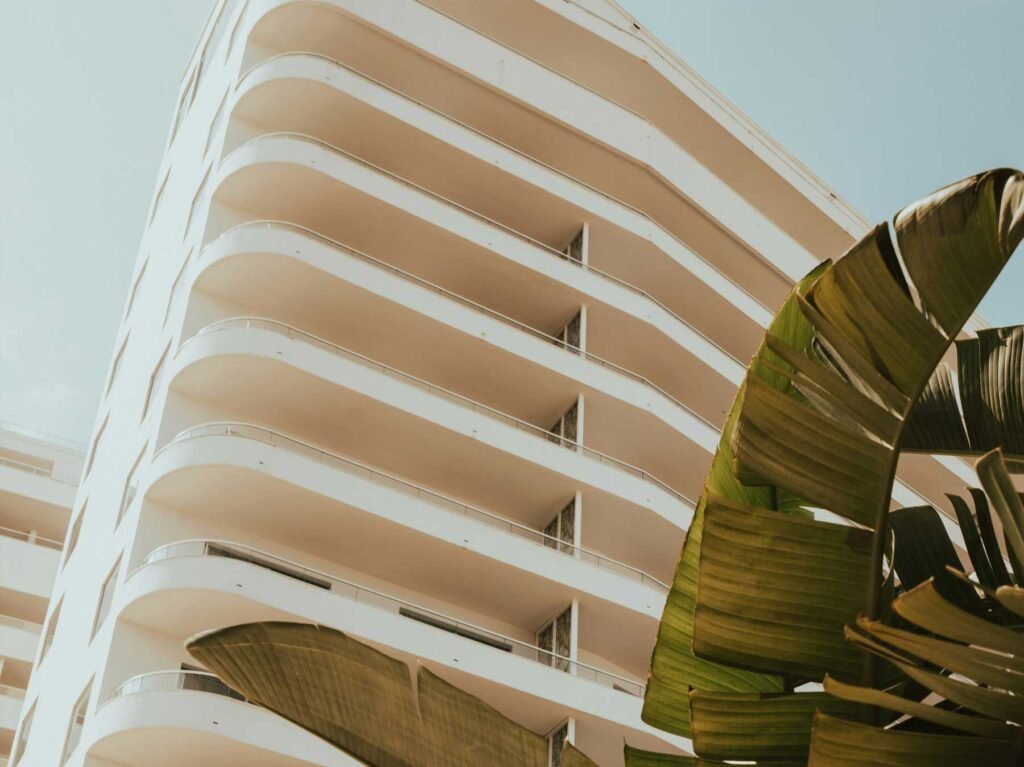
Miami Luxury Condos · Miami Beach · Aqua Miami Beach
112 residences across 11 floors.
By Josh Stein · Florida license SL3057661 · Updated 24 September 2026
Verified 6 August 2026Architect Magazine, Craig Robins and Dacra, Dacra +3 more6 sources
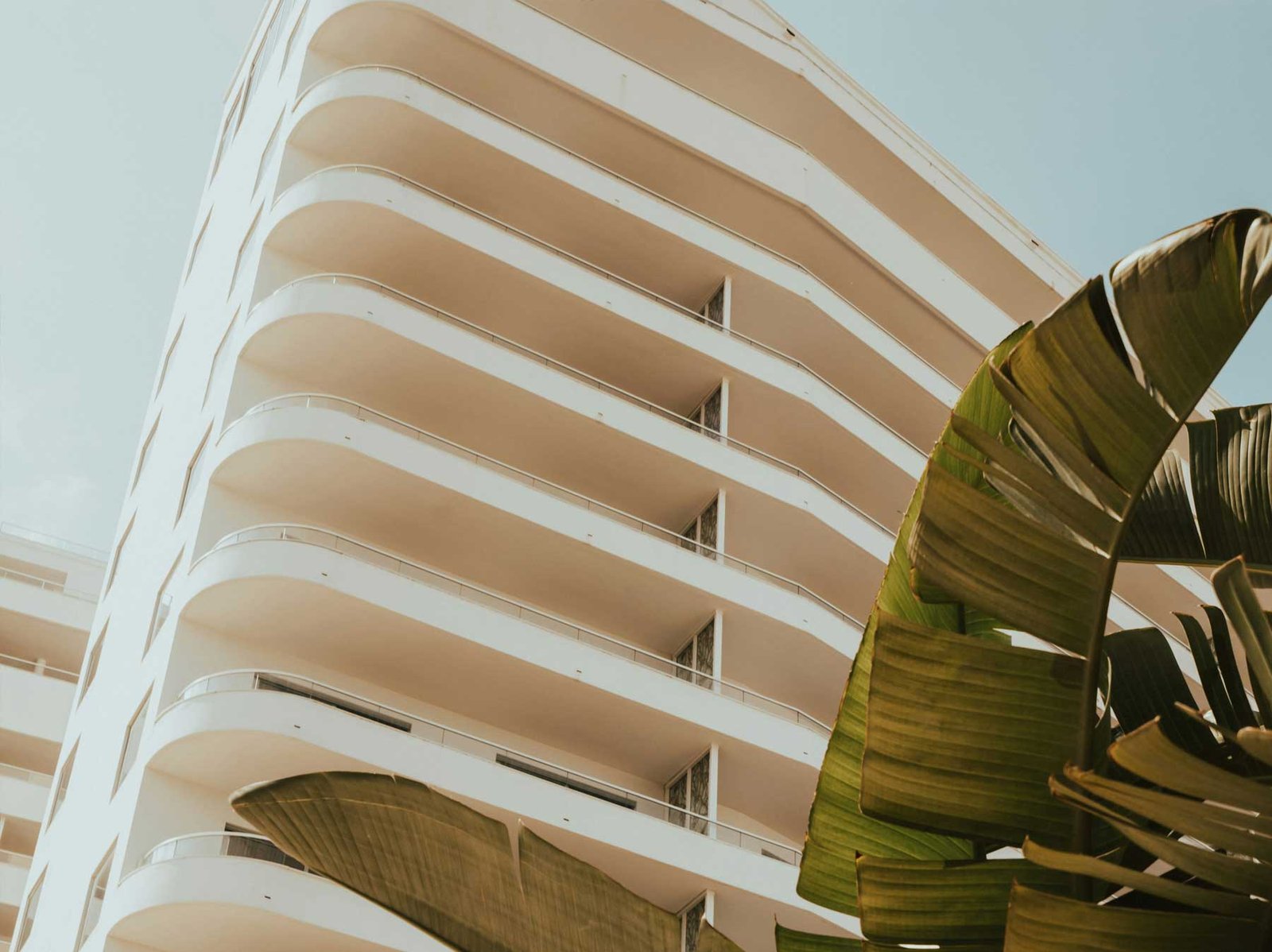
Building facts
- Address
- Aqua Ave & Aqua Ter, Allison Island
- Year built
- 2005
- Floors
- 11
- Residences
- 112
- Developer
- Dacra Development
- Architect
- Walter Chatham
- Status
- Delivered — completed 2005
Key Takeaways
- 112 residences across 11 floors — at Aqua Ave & Aqua Ter, Allison Island.
- Status: Delivered — completed 2005 — verified against the county roll and the development trade record.
- Developed by Dacra Development.
- Architecture by Walter Chatham.
- Year built: 2005.
Aqua Miami Beach, by the numbers
Source: the building record on this site.
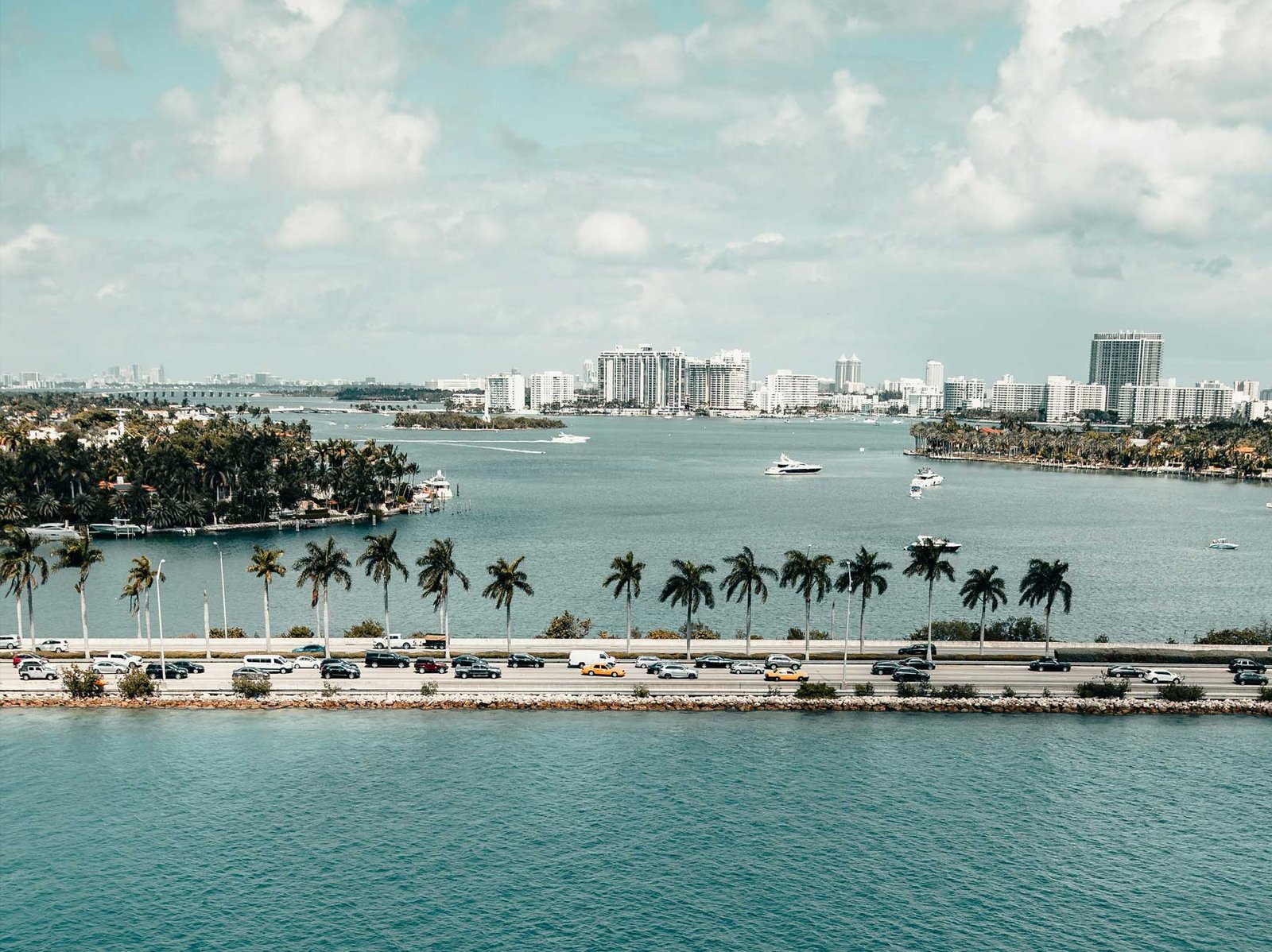
Have a question about Aqua Miami Beach? This page is built from the county record and the trade press, not a listing feed. If you want what has actually closed here, or an honest read on whether it suits you, ask me directly.
Aqua is not a condominium building. It is an 8.5-acre master-planned neighbourhood on the southern tip of Allison Island in Miami Beach — 46 townhouses plus three mid-rise condominium buildings, planned by Duany Plater-Zyberk and designed by ten different architecture firms, developed by Craig Robins, the man who made the Miami Design District.
Understanding that it is a neighbourhood rather than a building is the first and most consequential thing a buyer here needs to grasp.
- 8.5 acres on the southern tip of Allison Island, Miami Beach, acquired by Dacra in 1999
- 46 townhouses plus three mid-rise condominium buildings
- Master plan by Duany Plater-Zyberk; ten architecture firms designed the individual buildings
- Developer Craig Robins / Dacra
- Site of the hospital where Robins was born
- Site-specific public art: a 100-foot mural by Richard Tuttle — his first public art commission — plus Guillermo Kuitca’s “Aquarelle” and Mark Handforth’s “Freebird”
What Aqua was trying to do
Architect Magazine described it at the time as “the first major modernist new community in 30 years.” That is the whole idea in one line.
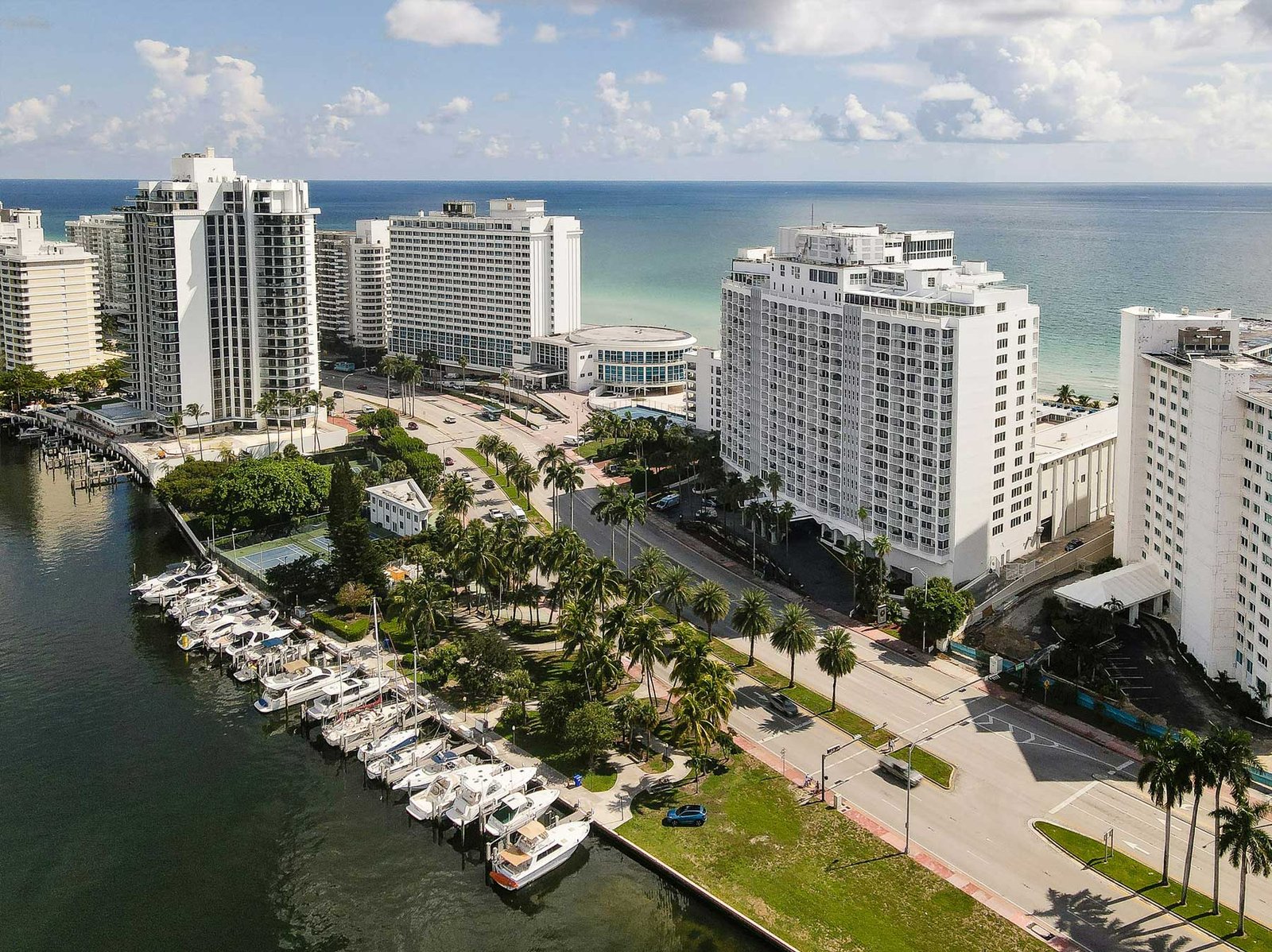
Keeping the planning, dropping the pitched roofs
New Urbanism — the movement Duany Plater-Zyberk largely invented — had by then become closely associated with traditional architecture: pitched roofs, porches, picket fences, Seaside. Aqua kept the planning discipline and threw out the aesthetic. Walkable blocks, short setbacks, a legible street grid, buildings addressing the street rather than a parking lot — but rendered in flat-roofed, white, tropical modernism.
Gisue Hariri, one of the townhouse architects, put the scepticism and the verdict together neatly: “We were very suspicious of this kind of planning… But Aqua is not Seaside. It’s come a long way.”
Ten architects, one language
The architect roster is the part that has aged best. The mid-rise condominium buildings were designed by Alison Spear, Walter Chatham and Alex Gorlin. The townhouse models came from Hariri and Hariri with Emanuela Frattini Magnusson, Allan T. Shulman, Suzanne Martinson, Brown Demandt, Albaisa Musumano, and DPZ itself, with Wolfberg Alvarez & Partners on working drawings.
The practical result is variety without chaos. Ten architects working to one master plan produces a street where no two buildings are identical but everything shares a language — which is exactly what a single-developer, single-architect project cannot deliver, and what most Miami Beach development conspicuously lacks.
The art is not decoration
Art commissioned into the plan
Robins commissioned site-specific work as part of the plan rather than as a finishing touch. Richard Tuttle’s 100-foot mural at Aqua was the artist’s first public art commission — a genuinely notable fact in a city that now brands everything as an art destination. Guillermo Kuitca’s Aquarelle and Mark Handforth’s Freebird are also on the site.
For a buyer this matters in one specific way: the artwork is a shared asset with maintenance and conservation implications. Ask how it is insured, who is responsible for conservation, and where that sits in the budget. Public art in a private community is a line item, and an unusual one.
Neighbourhood, not building — what that changes
Two governance tiers
Because Aqua contains both townhouses and three separate condominium buildings on a shared master-planned site, the governance is layered. This is the single most important diligence area and it is the one buyers most often skip.
- Map the structure. Which association governs your specific home, and what master or umbrella association sits above it? You may be paying into two. Get both sets of documents and both budgets.
- Establish what the master association owns and maintains — streets, landscape, gate and security, the shoreline, the public artworks — and how those costs are apportioned between townhouses and the condominium buildings. Apportionment disputes between differently-situated owners are the classic failure mode in mixed-product communities.
- Get the Structural Integrity Reserve Study for the condominium buildings alongside the budget. The SIRS says what is needed; the budget shows whether it is funded. The gap is your future assessment.
- Confirm the certificate of occupancy date for your specific building. Dacra acquired the site in 1999 and it was built out over the following years, which means these buildings are approaching or entering the milestone window — see below. The CO date is the figure that legally controls.
- Ask about the artwork — insurance, conservation responsibility, and its treatment in the budget.
- Waterfront and seawall. This is an island site. Establish seawall condition and remaining life, who owns and maintains it, whether dockage exists and on what terms, and the clearance on the route to open water for any vessel you intend to keep.
- Flood zone, elevation certificate, then insurance quote. In that order.
The milestone question — and why it is live here
Under Florida Statute 553.899, a condominium or cooperative building of three or more habitable storeys must complete a milestone structural inspection by 31 December of the year it turns 30, then every 10 years. § 553.899(3)(b) lets the local enforcement agency shorten that clock where local circumstances — expressly including “proximity to salt water” — warrant it.
Why the milestone question is the first question here
Miami-Dade County has exercised that discretion for coastal buildings completed in 1998 or later, putting them on a 25-year clock. The City of Miami Beach, however, administers its own recertification programme and publishes a 30-year threshold, measured from the date a building received its original certificate of occupancy. Allison Island is in Miami Beach, so the City’s programme is the one to ask about.
Two things follow, and both matter more here than at a newer tower. First, the 1999 date attached to this development is a site acquisition, not a certificate of occupancy — the milestone clock does not run from it. Second, Aqua is not one building: it is a group of condominium buildings and townhomes delivered over several years, so each building has its own certificate date and its own milestone year. A single date for “Aqua” would be wrong by construction.
So the practical work is per building, not per development. Confirm the certificate of occupancy date for the specific building from the record, then ask the Miami Beach Building Official which threshold governs it.
Concretely: has the milestone inspection been performed? If so, was Phase 2 triggered? If it has not yet been performed, when is it due and what has the association budgeted for it?
Concretely: has the milestone inspection been performed? If so, was Phase 2 triggered? If it has not yet been performed, when is it due and what has the association budgeted for it? A Phase 2 referral is a yes/no question with a very large number attached, and it is the most informative single fact about any building of this vintage.
Note that townhouses and condominium buildings are treated differently under the statute, so the answer may differ across the site depending on what you are buying. Establish which regime applies to your specific home.
How is Aqua Miami Beach being financed?
Since 3 August 2026, Fannie Mae’s Lender Letter LL-2026-03 has retired the Limited Review path for established condominium projects over ten units, so Full Review applies at every down-payment level. The lender reads the milestone report, the reserve study, the budget and the master insurance policy, and a per-unit deductible above $50,000 breaks eligibility outright. From 4 January 2027, minimum reserves rise from 10% to 15% of annual budgeted assessment income.
In June 2026, Miami-Dade condominiums ran 11,550 active listings, 12.3 months of supply and a median down 3.1% to $431,000, with 48.5% of sales closing in cash. Single-family, by contrast, ran 4.9 months of supply with a median up 3.7% to $695,000.
Two product types, two market positions
That split is directly relevant at Aqua, because the site contains both product types. A townhouse here sits in the tight, appreciating half of the market. A condominium unit sits in the oversupplied half — and its financing eligibility depends on the association’s paperwork. The same address, two different market positions.
The honest summary
Aqua is one of the very few places in Miami Beach where someone thought about the street before the floor plan. Ten architects, one master plan, real public art, on an island. That intent has held up, and it is not reproducible — nobody is assembling 8.5 acres on a Miami Beach island to build 46 townhouses again.
What a buyer must do is treat it as the layered community it is: two governance tiers, two product types, two different market positions, and a milestone window that is live rather than theoretical. Do that homework and this is a distinctive, defensible purchase. Skip it and the surprises arrive as assessments.
See also greater Miami Beach, Pine Tree Drive on the same Indian Creek waterway, and the full Miami’s oceanfront condo inventory market.
Related reading: the Miami Beach islands · Monad Terrace on the bay side · single-family waterfront alternatives.
Aqua at Allison Island — common questions
What is Aqua on Allison Island?
An 8.5-acre master-planned community on the southern tip of Allison Island in Miami Beach, comprising 46 townhouses and three mid-rise condominium buildings. Dacra, led by Craig Robins, acquired the site in 1999. Duany Plater-Zyberk produced the master plan and ten different architecture firms designed the individual buildings. Architect Magazine described it as “the first major modernist new community in 30 years.”
Who designed the buildings at Aqua?
The three mid-rise condominium buildings were designed by Alison Spear, Walter Chatham and Alex Gorlin. Townhouse models came from Hariri and Hariri with Emanuela Frattini Magnusson, Allan T. Shulman, Suzanne Martinson, Brown Demandt, Albaisa Musumano and DPZ itself, with Wolfberg Alvarez & Partners producing working drawings. The master plan is by Duany Plater-Zyberk.
What is the public art at Aqua?
The site carries commissioned, site-specific work including a 100-foot mural by Richard Tuttle — the artist’s first public art commission — as well as Guillermo Kuitca’s “Aquarelle” and Mark Handforth’s “Freebird.” Because it is a shared asset, a buyer should ask how the artwork is insured, who is responsible for conservation, and how that is treated in the association budget.
Is Aqua a condo or a townhouse community?
Both, which is why the governance needs mapping before you offer. There are 46 townhouses and three mid-rise condominium buildings on one master-planned site, so you may be paying into a building association and a master association. Establish which governs your home, what the master association owns and maintains — streets, landscape, gate, shoreline, artwork — and how those costs are apportioned between the townhouses and the condominium buildings.
Is Aqua due for a milestone inspection?
It depends on the building, and there is no single answer for Aqua. Florida Statute 553.899 sets the milestone structural inspection at 30 years for condominium buildings of three or more habitable storeys, then every 10 years, and Section 553.899(3)(b) lets the local enforcement agency shorten that to 25 years where local circumstances such as proximity to salt water warrant it. Miami-Dade County has done so for coastal buildings completed in 1998 or later, but the City of Miami Beach administers its own recertification programme and publishes a 30-year threshold measured from the original certificate of occupancy. Two cautions specific to Aqua: the 1999 date associated with the development is a site acquisition, not a certificate of occupancy, so the clock does not run from it; and Aqua comprises several buildings delivered over a number of years, each with its own certificate date and its own milestone year. Confirm the certificate of occupancy date for your specific building, ask the Miami Beach Building Official which threshold governs it, then ask whether the inspection has been performed, whether Phase 2 was triggered, and what has been budgeted.
Does Aqua have water access?
It is an island site on the Indian Creek waterway. As with any waterfront purchase, establish seawall condition and remaining life and who is responsible for it, whether dockage exists and on what terms, controlling depth, and the lowest fixed clearance on the route to open water for the vessel you actually intend to keep. Pull the flood zone and elevation certificate before obtaining an insurance quote.
Sources and further reading
- Architect Magazine — Aqua Modernearchitectmagazine.com
- Craig Robins and Dacra — AQUA at Allison Islanden.wikipedia.org
- Dacra — Aboutdacra.com
- Florida Statute 553.899 — Mandatory structural inspectionsflsenate.gov
- Fannie Mae — Lender Letter LL-2026-03singlefamily.fanniemae.com
- MIAMI REALTORS — South Florida Market Stats, June 2026miamirealtors.com
Thinking about Aqua Miami Beach?
I have sold South Florida property since 2002, more than $1 billion of it. Ask me for the recorded declaration, what has genuinely closed, or a straight answer on whether this building fits what you are after.
Josh Stein · Florida real estate sales associate, license SL3057661 · (305) 695-8257 · hello@joshsteinrealtor.comGet this building’s next recorded sale — before the listing sites catch up
- Every closed sale we can verify from the Miami-Dade record — price, date, and $/sqft when the deed supports it — not an IDX feed.
- Optional alert when a new deed posts in this building (or a short list of comps you choose).
- No spam inventory blasts. One building. One record. You decide what happens next.
Tell Josh which building. He’ll send the latest closed sales and set a quiet alert.
Get the sales recordRelated coverage
Part of Miami Luxury Condos.