

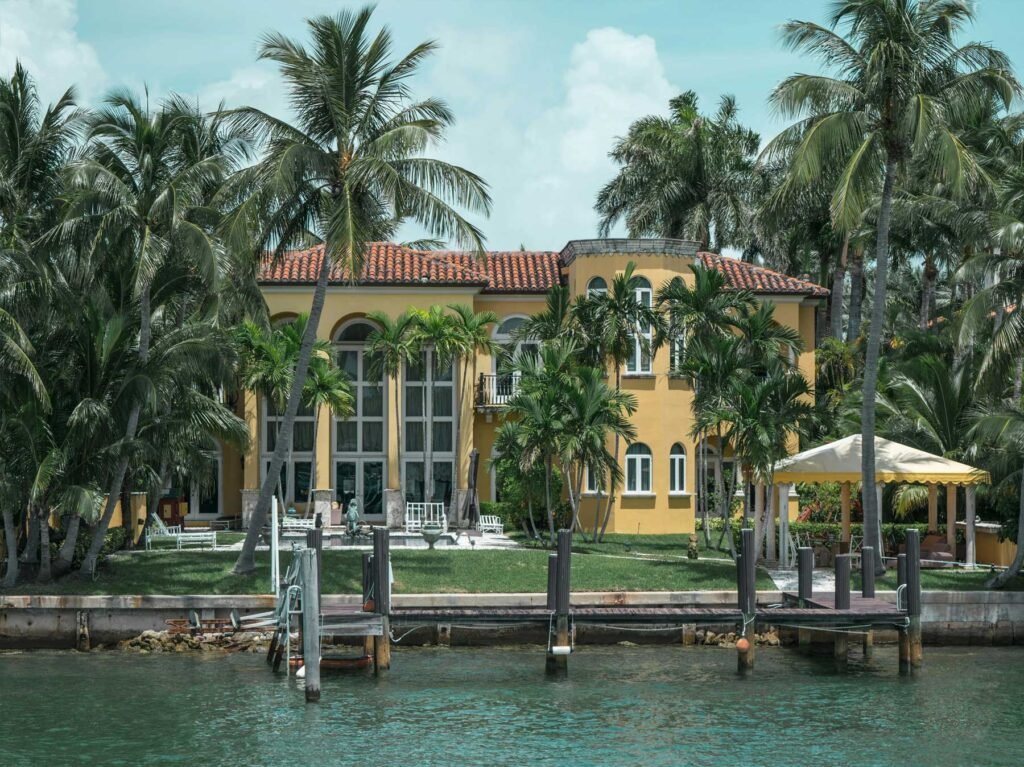
The Miami Confidential
By Josh Stein · Florida license SL3057661 · Updated 25 September 2026
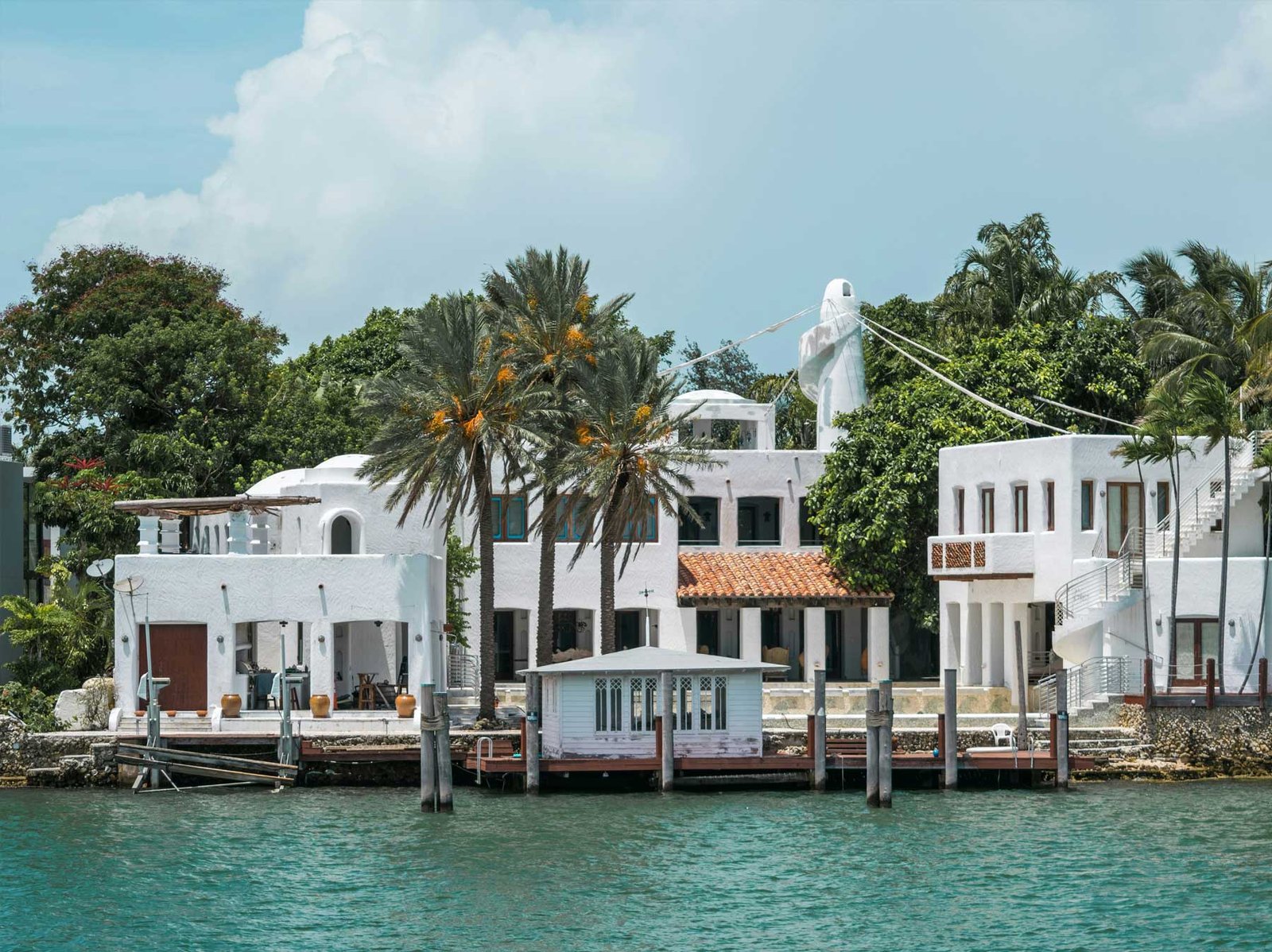
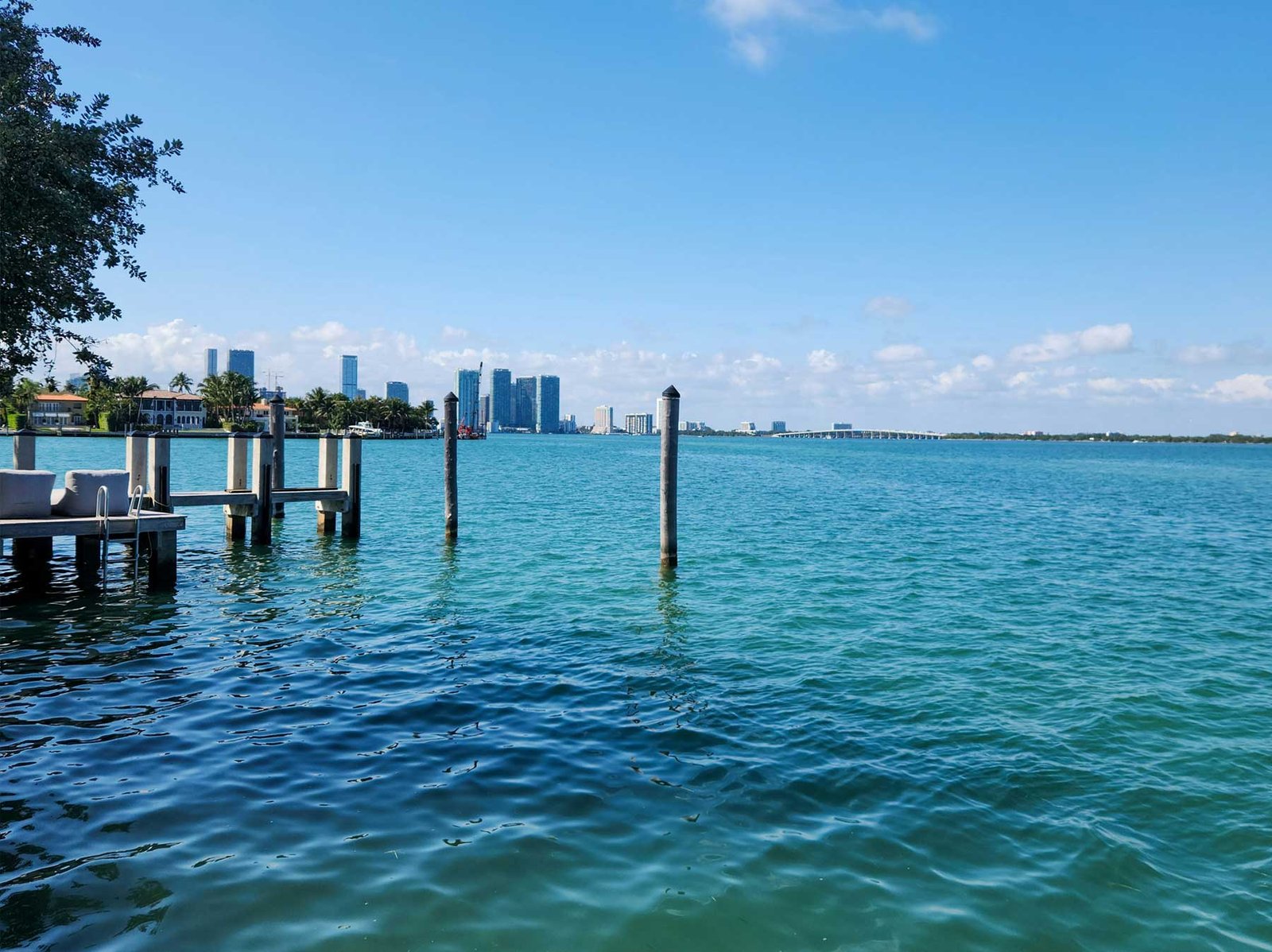
Welcome to the epitome of luxury and serenity – Miami’s waterfront homes, where the allure of coastal living meets unparalleled elegance. Imagine waking up to the soothing sounds of waves gently lapping against the shore, the warm Miami sun casting a golden glow over pristine waters, and the tranquility that comes from living at the water’s edge. This is not just a dream, but a lifestyle that many aspire to, and a reality that can be yours.
Miami’s waterfront properties offer a unique blend of natural beauty, sophisticated living, and an enviable lifestyle that is both a retreat and a statement of success. Whether you’re seeking a tranquil haven for relaxation or a vibrant setting for entertaining, Miami’s waterfront homes provide the perfect backdrop for a life well-lived.
Miami’s waterfront is not one market. Star Island, the Venetian Islands, Sunset Islands, Key Biscayne and the Brickell high-rises price differently, trade at different speeds and carry different risks — an island reached by a single bridge is a different asset from a tower with a marina underneath it. This page separates them rather than averaging them.
Everything below is read off the Miami-Dade County Property Appraiser record rather than a listing feed, so the figures are what was actually paid. Where a neighbourhood’s evidence is thin, or the county’s own classification is unreliable, this page says so instead of smoothing it over. Two questions decide most waterfront purchases here: how you get on and off, and what the district or the association will let you build.
Types of Miami Waterfront Homes
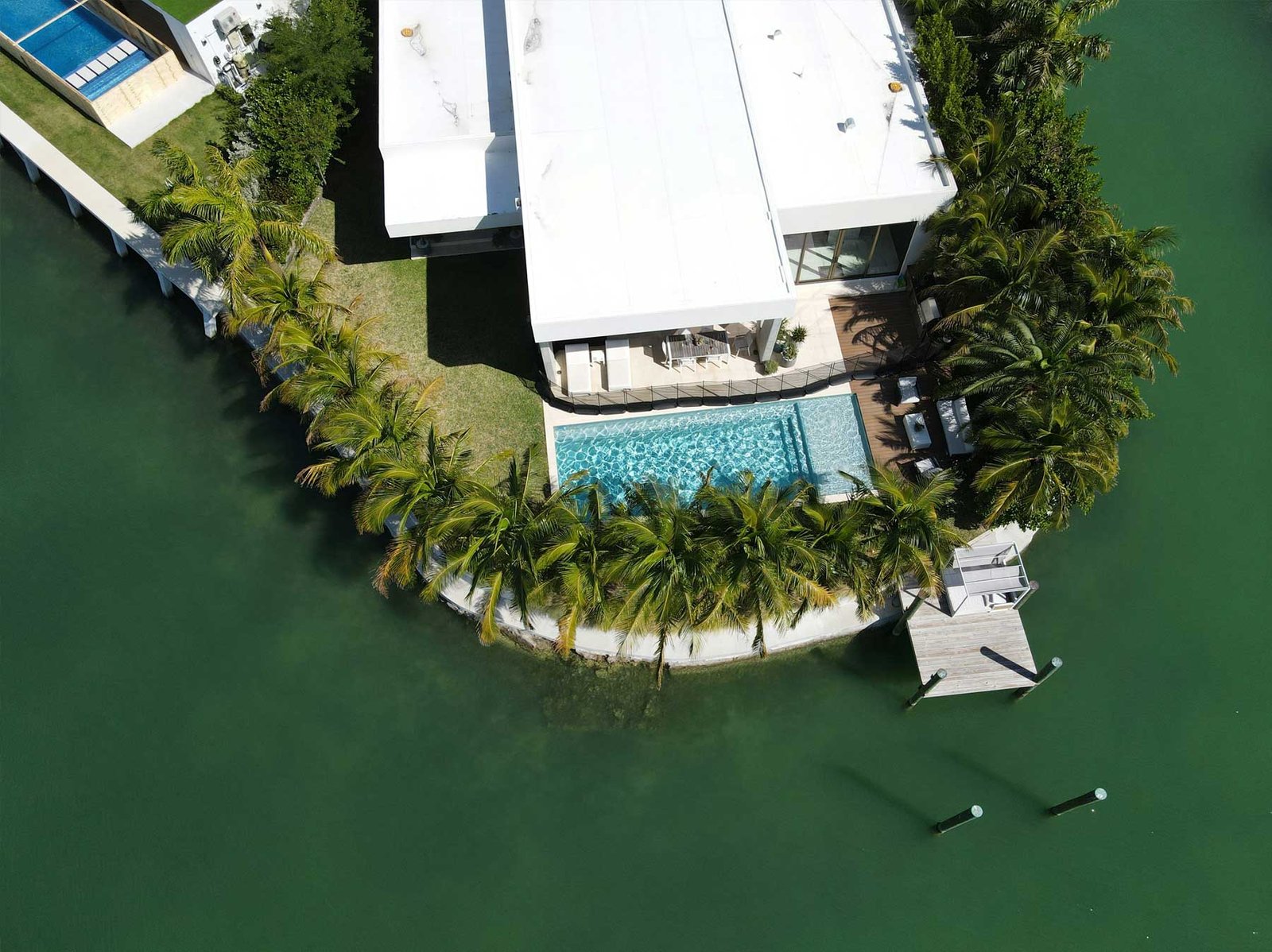
Miami’s waterfront real estate market is as varied as it is luxurious, offering a range of properties to suit every taste and lifestyle. From the opulent to the historically significant, each type of waterfront home in Miami has its unique allure.
Luxury Villas
Luxury Villas in Miami are the pinnacle of waterfront opulence. These properties often feature sprawling layouts, private docks, and bespoke design elements. They are designed for those who seek an exclusive lifestyle, with ample privacy and breathtaking views. Fisher Island, for example, is home to some of the most exquisite villas, offering unmatched luxury and seclusion.
High-rise Condos
High-rise Condos represent a fusion of luxury and convenience. These structures, towering over the Miami skyline, provide stunning ocean and city views. They are ideal for those who desire a modern, upscale lifestyle with amenities like infinity pools, advanced fitness centers, and comprehensive security. The high-rises in areas like Sunny Isles Beach are renowned for their sophisticated design and luxurious living spaces.
Single-Family Homes
Single-family homes along Miami’s waterfront offer a more traditional, yet equally luxurious, living experience. These homes provide a sense of community and personal space, often featuring lush gardens and private boat access. Neighborhoods such as the Venetian Islands offer a range of single-family homes, combining the tranquility of waterfront living with the convenience of city life.
Historic Waterfront Estates
Historic Waterfront Estates are for those who appreciate the charm and character of Miami’s rich history. These homes, often dating back to the early 20th century, showcase timeless architecture and craftsmanship. Miami Beach, known for its Art Deco history, houses many of these historic estates, providing a unique blend of history, luxury, and waterfront living.
Each type of Miami waterfront home offers a distinct way to experience the city‘s renowned coastal lifestyle, whether through the grandeur of a luxury villa, the heights of a high-rise condo, the warmth of a single-family home, or the historical elegance of a waterfront estate.
Miami Waterfront Homes: Exclusive Listings in Premier Locations
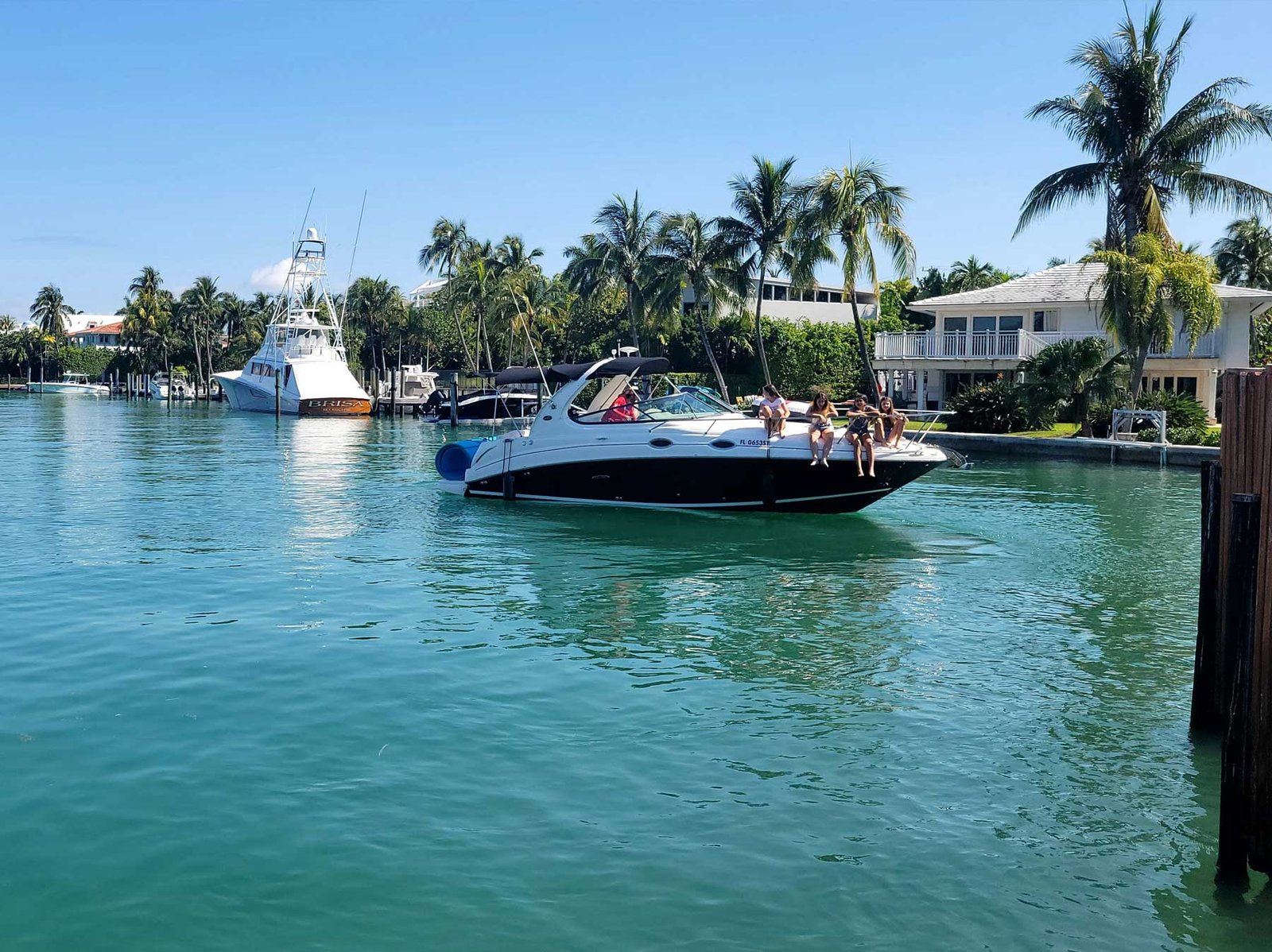
Miami’s waterfront homes are more than just properties; they are a lifestyle choice for those who seek the best in luxury living. From the serene Venetian Islands to the vibrant Sunset Islands, each community offers a unique blend of comfort, elegance, and breathtaking ocean views. Let’s explore these top-tier neighborhoods, where luxury meets tranquility.
Pier Sixty-Six Residences delivered in September 2025 as the centerpiece of Tavistock’s marina resort, and Pier Sixty-Six Residences’ post-delivery guide tracks resale pricing since.
Venetian Islands: A Blend of Luxury and Serenity
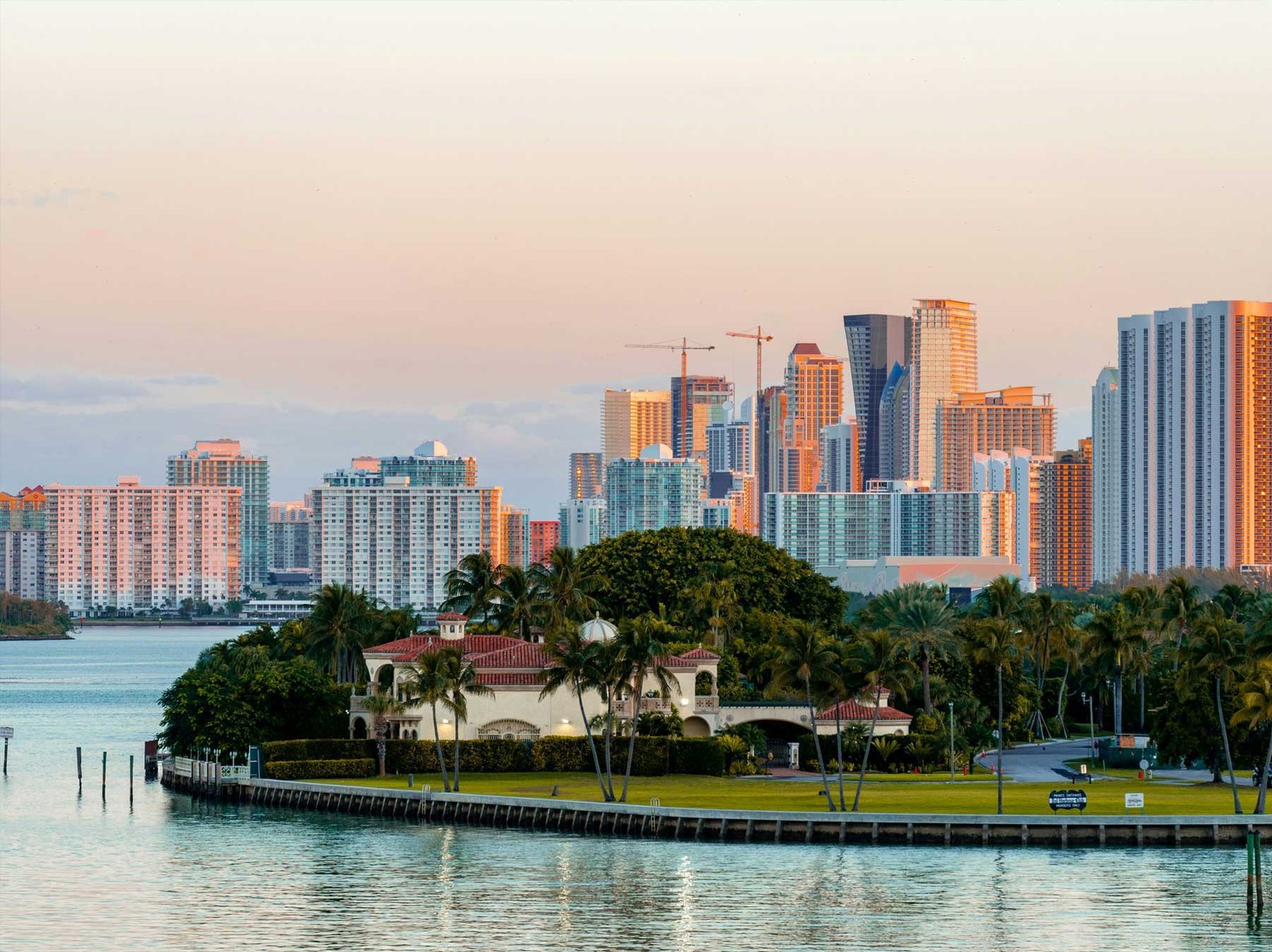
The Venetian Islands, a cluster of islands located within Biscayne Bay, offer an escape from the craziness of city life without sacrificing accessibility. These islands are known for their upscale single-family homes, providing both waterfront and dry lot options. With limited traffic and a neighborhood feel, these islands are a superior choice for those seeking a peaceful yet luxurious lifestyle. The Venetian Islands are not just about beautiful homes; they’re about a community that exudes elegance and exclusivity.
Sunset Islands: Captivating Views and Vibrant Living
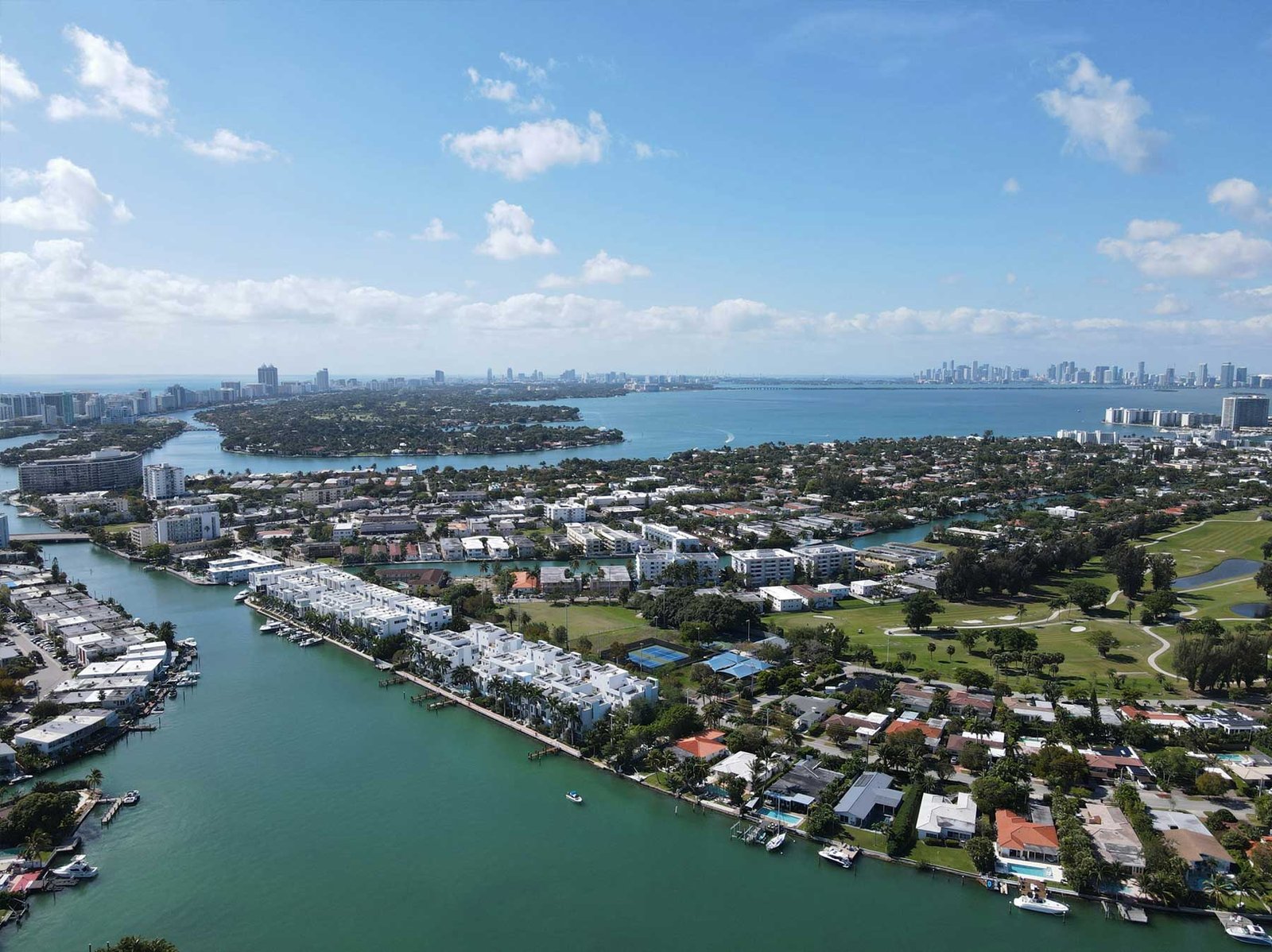
Sunset Islands, located just west of Miami Beach, are synonymous with luxury. These islands offer both dry lots and waterfront homes, with private docks for the latter. The community is known for its 24-hour gated entry, ensuring privacy and security. The Sunset Islands are a top pick for those who desire breathtaking sunset views and a central location close to Miami Beach’s vibrant nightlife and cultural hotspots.
Golden Beach: Exclusive and Intimate
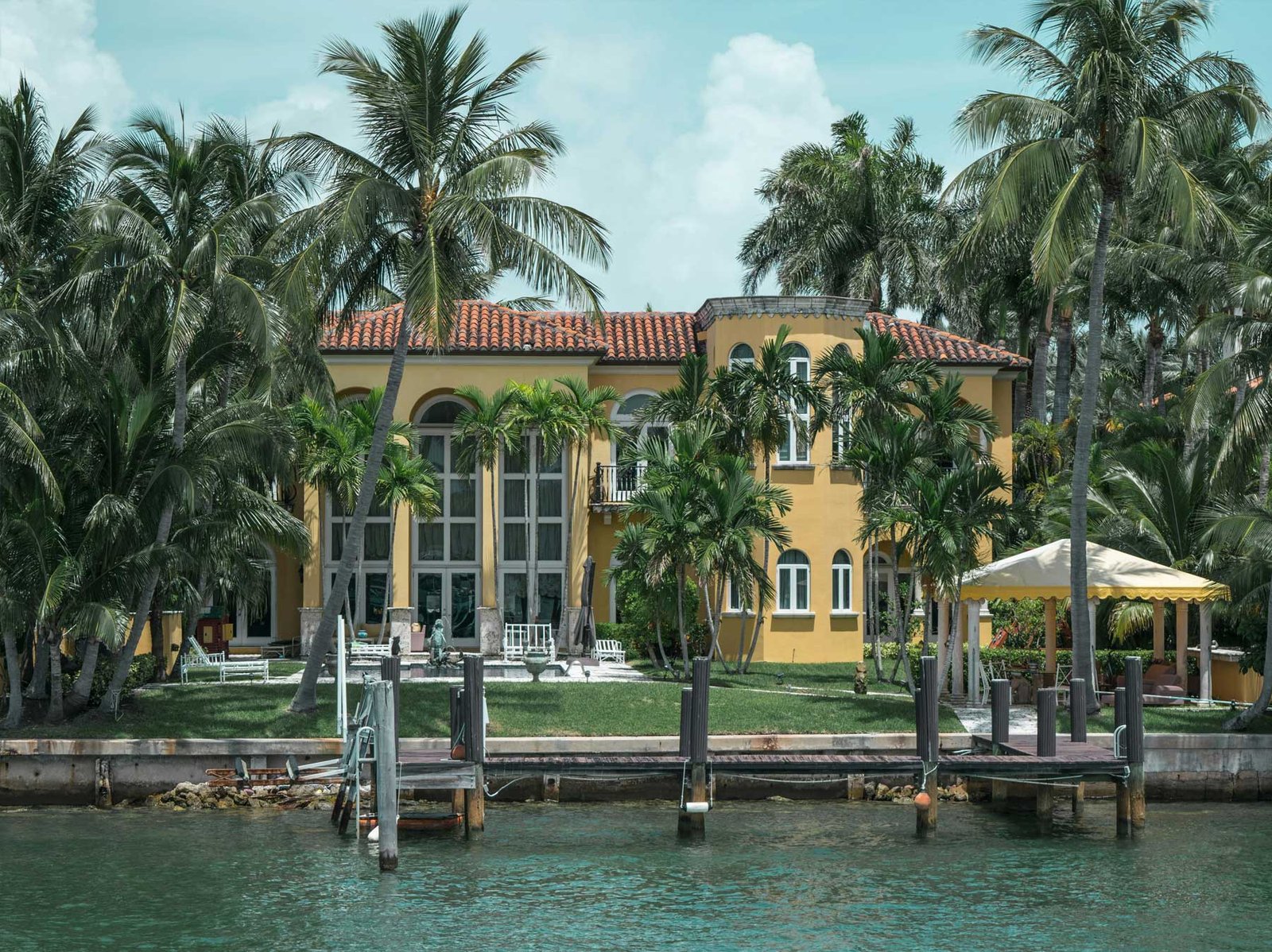
Golden Beach, FL, stands out for its intimacy and exclusivity. With a small population, this oceanfront town offers a quiet yet upscale living experience. The homes here range from $3.5 million to $35 million, reflecting the area’s affluence. Golden Beach is a first-class choice for those who value privacy and seclusion while still being within reach of South Florida’s best nightlife and cultural centers.
Key Biscayne: Tropical Island Paradise
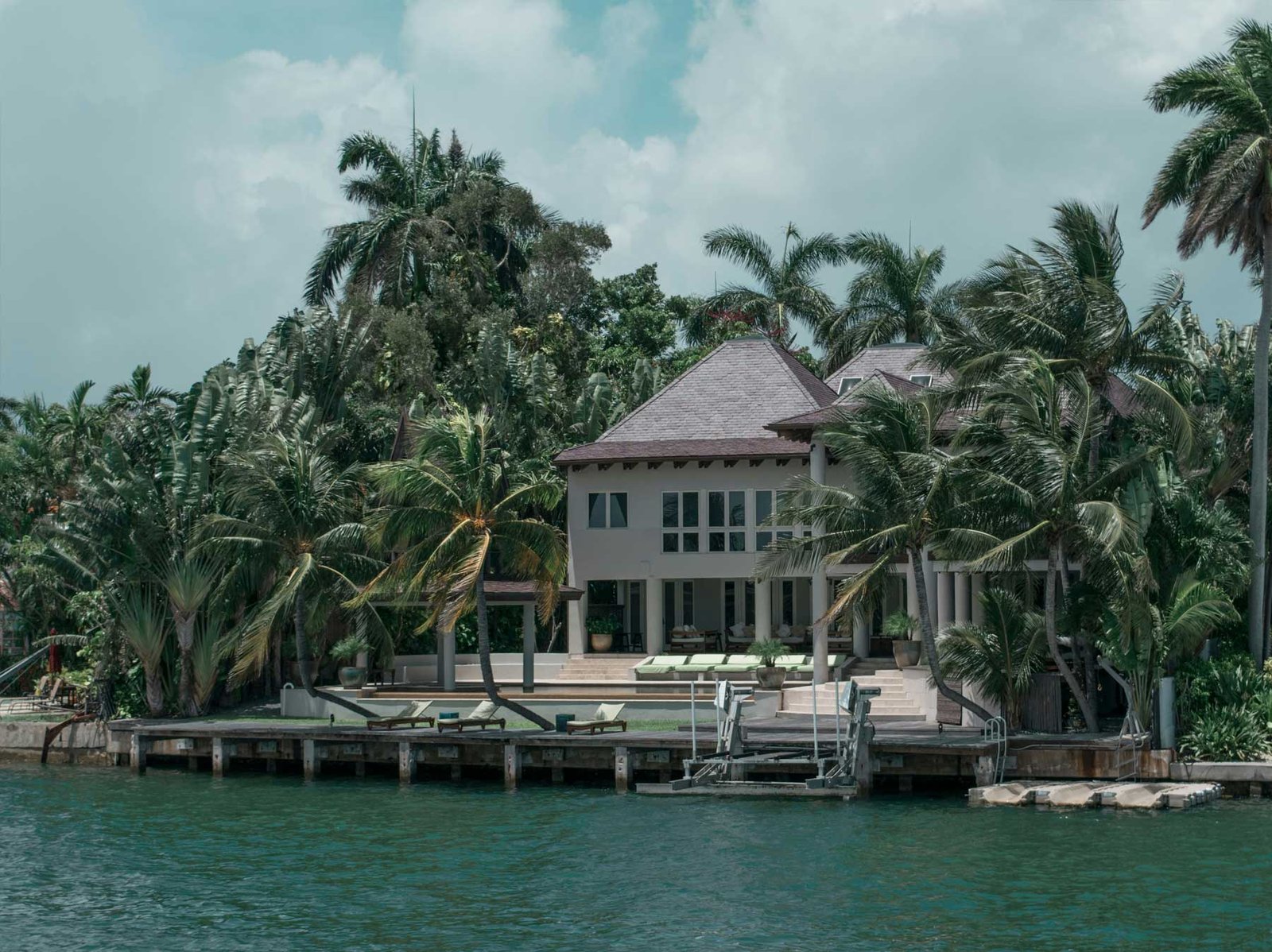
Key Biscayne homes represent the epitome of tropical luxury. Located on a barrier island, this community offers stunning sandy beaches and a laid-back charm. The homes here are nestled between two major parks, featuring lush landscapes and exotic wildlife. Key Biscayne is a top-of-the-line choice for those seeking a tranquil island lifestyle with all the amenities of a luxury neighborhood.
North Miami: Breathtaking Waterfront Elegance
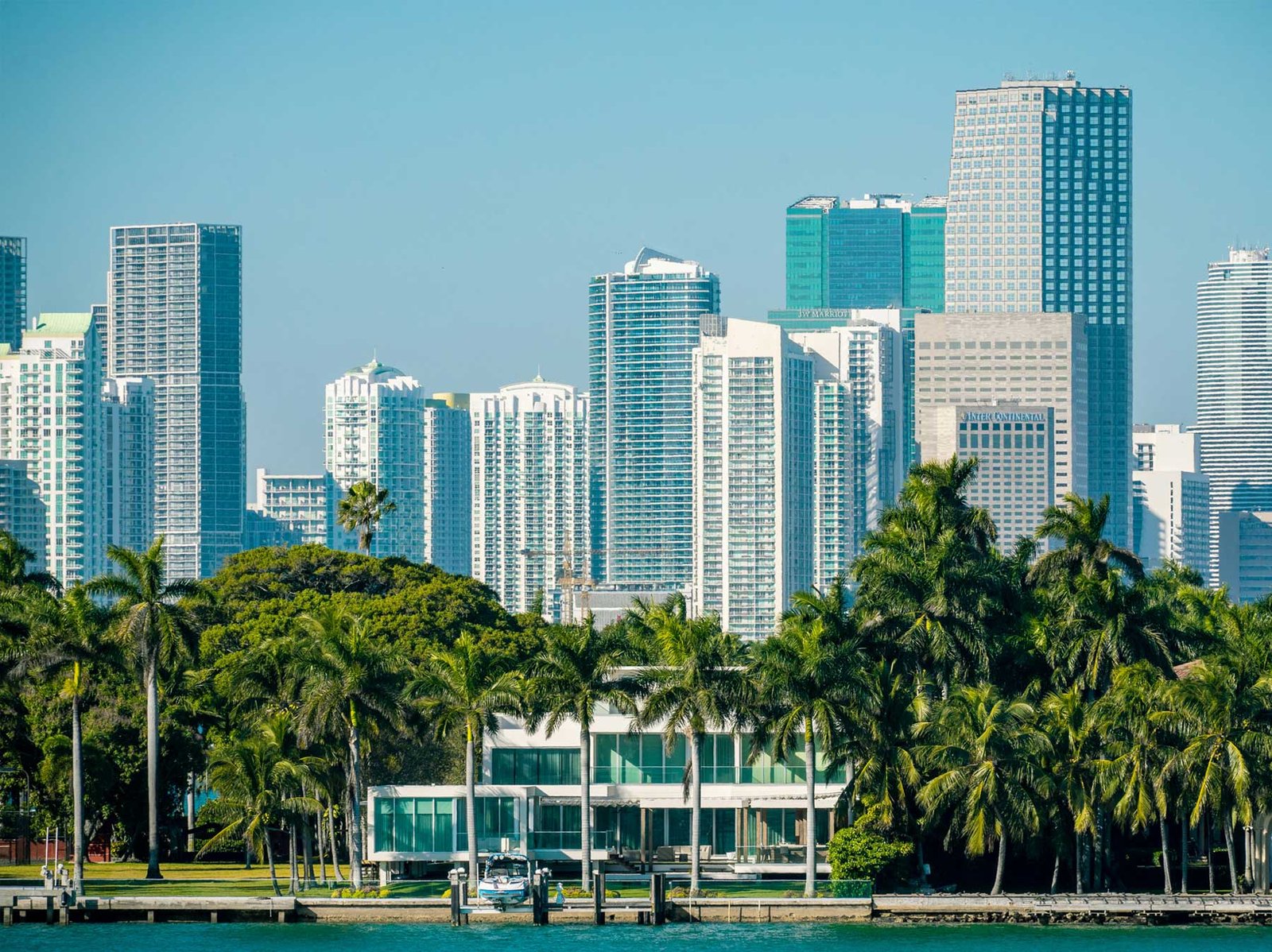
North Miami’s waterfront homes are a testament to South Florida’s beauty and luxury. This area, often overshadowed by the more famous Miami Beach, is a hidden gem that offers some of the most breathtaking waterfront properties. Communities like Bay Point, Belle Meade, and North Miami Beach present a range of single-family homes that boast both luxury and exclusivity. North Miami is a top choice for those who seek a balance between serene waterfront living and convenient access to the vibrant city life of both Miami and Fort Lauderdale.
Coral Gables: Refined Living in the City Beautiful
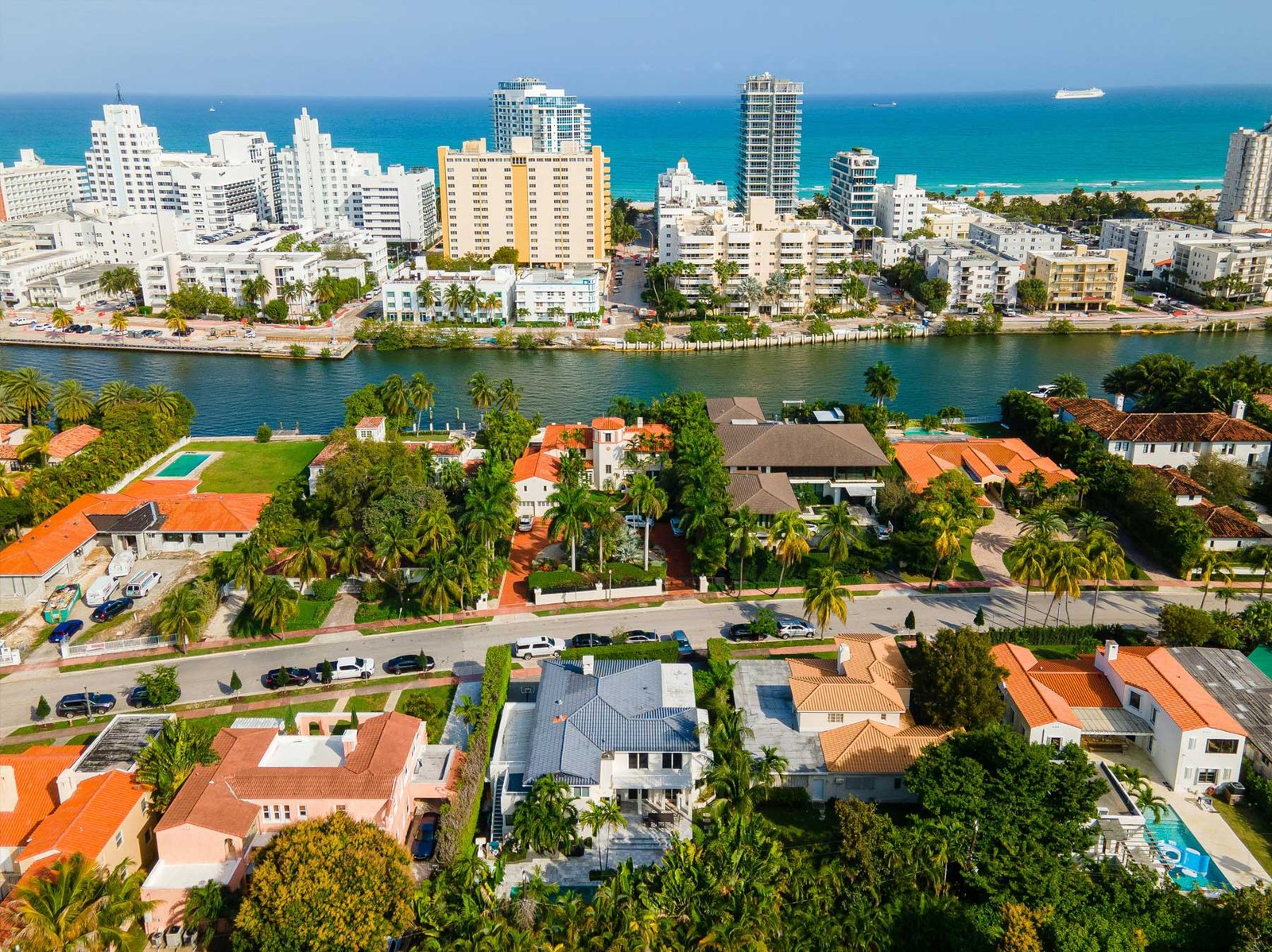
Coral Gables stands as a beacon of luxury and sophistication in South Florida. Known for its lush vegetation, historic landmarks, and strict zoning regulations, Coral Gables offers a unique blend of beauty and luxury. The condos here, often described as top-notch, provide a more relaxed atmosphere compared to the high-rise buildings in Downtown Miami. With notable golf courses, parks, and shopping centers, Coral Gables is a gold standard for those seeking a refined, yet vibrant lifestyle.
Each of these communities offers something unique, from the tranquil waterfront villas of Golden Beach to the historic estates in Coral Gables. They represent the best-in-class in Miami’s real estate market, catering to those who seek luxury homes with captivating water views, beautiful beaches, and an escape from the everyday. Whether you are an investor or looking for a new home, these exclusive listings in Miami’s most affluent neighborhoods provide a range of options that cater to the most discerning tastes.
What Miami Waterfront Actually Costs
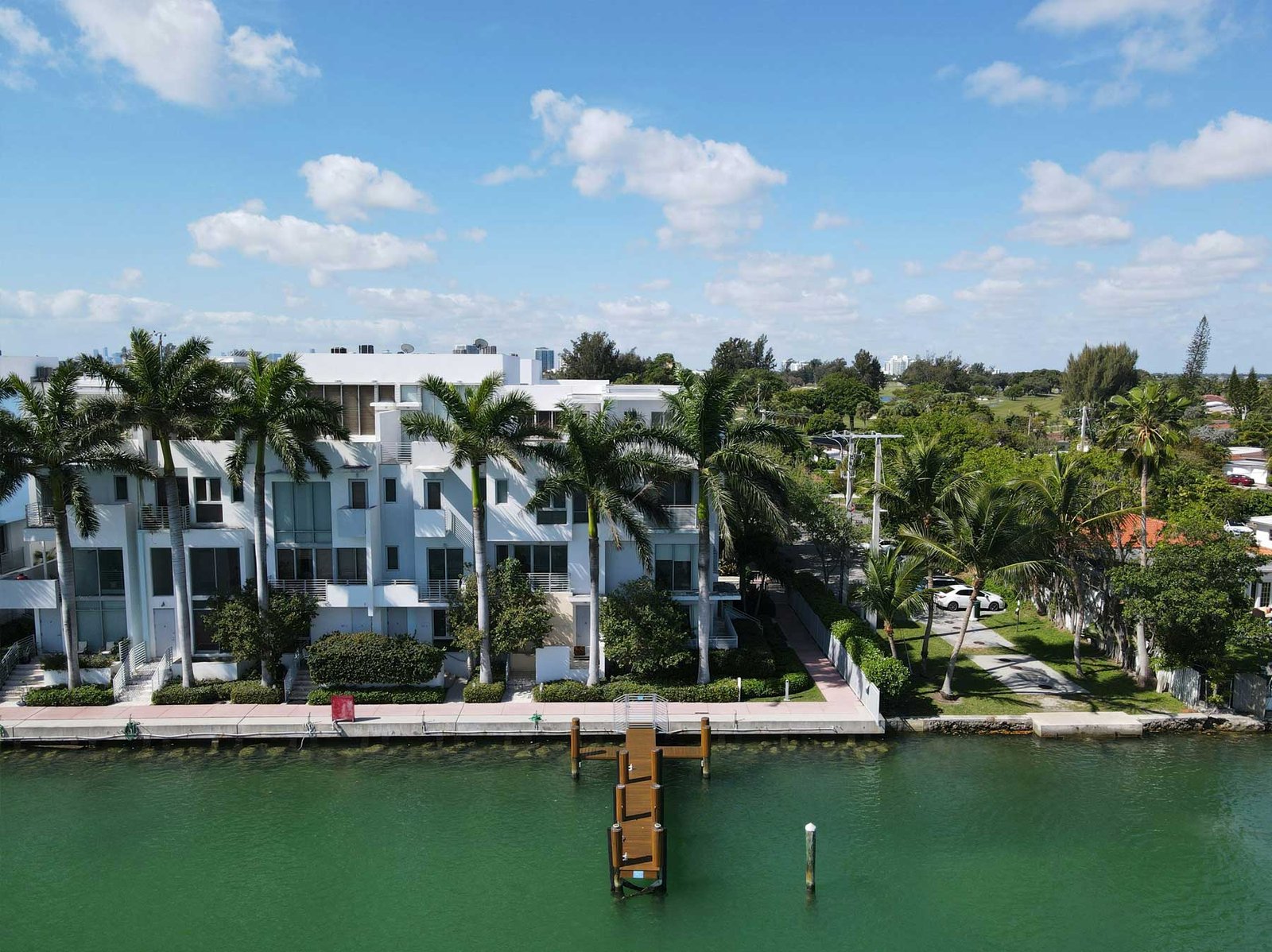
“Waterfront” spans an order of magnitude in this city. The same phrase covers a $634-per-square-foot resale in Edgewater and a $7,672-per-square-foot record on Sunset Islands. Here is the ladder, using Q1–Q2 2026 figures.
| Area | Price per square foot, 2026 | Note |
|---|---|---|
| Sunset Islands / Indian Creek | $7,672 – $8,000+ | Q1 2026 single-family record: $7,672/sq ft on Sunset Islands |
| Gables Estates (waterfront) | $3,100+ | The top of Coral Gables |
| Bal Harbour | $1,270 – $3,925 | Median appreciation +26.1% |
| Fisher Island | $2,391 – $2,787 | +15.4% year over year; supply is fixed |
| Sunny Isles Beach (premium) | $1,200 – $2,200+ | Varies sharply building to building |
| Key Biscayne | $1,966 single-family · $994 condo | The gap between house and tower is the story |
| Miami Beach (aggregate) | $1,178 | |
| Coconut Grove | $949 – $1,087 | Single-family median +37.9% year over year in Q1 2026 |
| Coral Gables | $925 – $949 | Before you reach the water |
| Surfside | $886 – $1,150 | Recalibrating |
| Edgewater | $634 resale · $800 – $1,100+ pre-construction | The widest gap in the city between old and new |
Two things worth pulling out of that table. Coconut Grove single-family prices rose 37.9% year over year — the fastest move on the board, and it is happening in a neighbourhood people still describe as undervalued. And Key Biscayne houses trade at roughly double its condos per foot, which tells you precisely what the land is worth once you take the tower away.
At the very top the market often does not touch the MLS at all. A Bal Harbour waterfront estate traded at $43 million off-market in July 2026. If you are shopping above roughly $20 million, a meaningful share of what is genuinely available is never advertised.
Recent waterfront sales, enclave by enclave (2025–2026)
These are closed sales, not asking prices. Each one names the outlet that reported it and the month, so you can check any of them yourself.
Star Island and Palm Island
Star Island’s record is $120M: 26 Star Island Drive sold at that price, The Real Deal reported in March 2025. 1 Star Island Drive, with about 240 feet of Biscayne Bay frontage, sold for $55M in July 2026 after last trading for $35M in 2021, ProfileMiami reported on 15 July 2026. On Palm Island, 288 South Coconut Lane, a 9,100-square-foot home, sold for $18.5M in July 2026, below the $22M paid for it in 2024, The Real Deal reported. Even the trophy islands negotiate.
Venetian Islands, Sunset Islands, La Gorce and North Bay Road
845 East Dilido Drive on the Venetian Islands, built in 2024, sold for $35M, about $5,700 a square foot, The Real Deal reported in May 2026. On the Sunset Islands, 2131 Lake Avenue sold for $35M, The Real Deal reported in June 2026. On La Gorce Island, 88 La Gorce Circle, with 260 feet of water frontage, sold for $75M, The Real Deal reported in May 2025. On North Bay Road, a 0.7-acre teardown at 5060 North Bay Road brought $25.5M, The Real Deal reported in February 2025: land value, not house.
Golden Beach
A single buyer paid $53M for two adjoining oceanfront parcels in Golden Beach, The Real Deal reported in March 2026. It is the only town on this list that is residential-only on the ocean: sand instead of a dock.
Coconut Grove and Coral Gables
A bayfront estate at 3085 Munroe Drive in Coconut Grove sold for $72M, up from the $45.9M its sellers paid in 2021, The Real Deal reported in January 2026. In Coral Gables, Gables Estates set a $55M record, The Real Deal reported in December 2025, and Tahiti Beach set its own record at $32M, The Real Deal reported in April 2026. A Gables Estates house listed at $175M, The Real Deal reported in February 2026, is testing the ceiling. These are protected deep-water communities with no fixed bridges, which is why big boats end up here.
Key Biscayne
330 Harbor Drive, with 120 feet of Biscayne Bay frontage, closed at $31.75M in June 2025, according to the listing brokerage’s report of the sale. One road in and one road out: that seclusion is the value.
The value tier: Morningside and Belle Meade
On the mainland, real waterfront still starts well below the island prices. Morningside’s record is $16M for 5725 North Bayshore Drive, on 125 feet of open bay, The Real Deal reported in September 2025. Belle Meade’s record is $22.1M for 905 Belle Meade Island Drive, an off-market sale, The Real Deal reported in November 2025.
Indian Creek
Indian Creek now holds the Miami-Dade residential record: $170M, closed in March 2026, The Real Deal reported on 2 March 2026. A vacant 1.8-acre lot on the island sold for $105M, up from $27.5M in 2018, The Real Deal reported in June 2025. Deals here are almost always off-market.
The waterfront market in numbers
- South Florida recorded 361 home sales above $10M in 2025, second only to the 444 of 2021, MIAMI REALTORS® reported in January 2026.
- The top 1% of South Florida single-family sales started at $10.7M in the first half of 2026, and at $15M in Miami-Dade alone, MIAMI REALTORS® reported in July 2026.
- Cash paid for 44% of all Miami-Dade closings in January 2026, and 32.7% of single-family closings, MIAMI REALTORS® reported in February 2026. Supply of single-family homes stood at 6.4 months, balanced rather than glutted.
- New York supplied 24% of Miami’s out-of-state buyers in 2025, MIAMI REALTORS® reported in January 2026.
- International buyers made 52% of new-construction and pre-construction purchases over the 22 months measured, MIAMI REALTORS® reported in November 2025.
Five things that decide what a waterfront home is worth
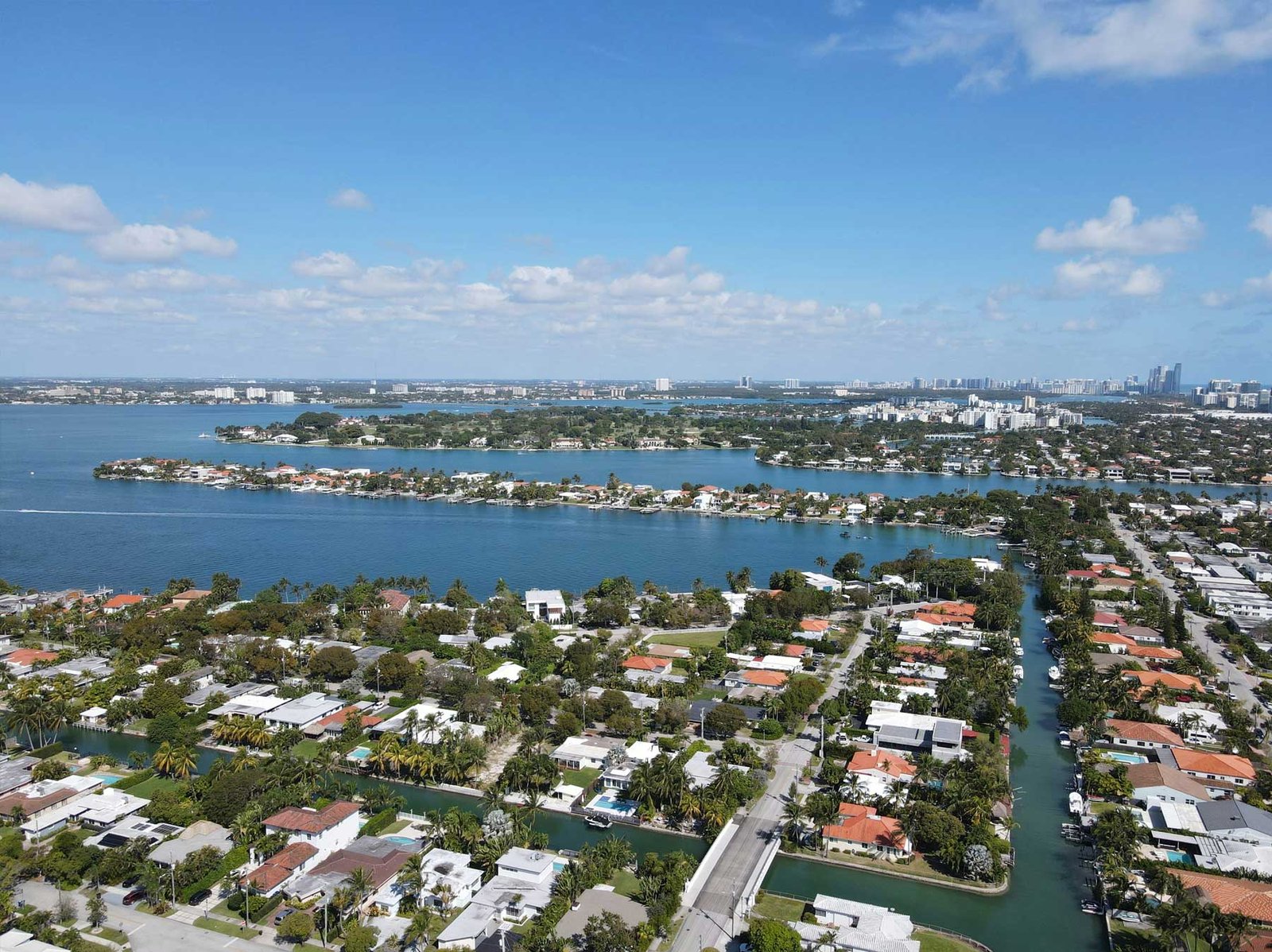
Two houses on the same canal, same square footage, same year built, can be twenty percent apart in value. Almost none of that gap is in the listing photographs.
Draft and dockage
How deep is the water at your dock at low tide, and what length of vessel can actually be moored there? A property advertised as deep-water may still be unusable for the boat you own. Ask for the dock permit, the last dredge date, and a sounding.
Bridge clearance between you and open water
This is the single most expensive detail people miss. A fixed bridge between your dock and the ocean sets a permanent ceiling on the vessel you can keep there — and no amount of money changes it. It is why otherwise comparable canal homes diverge so sharply in price, and why “no fixed bridges” is the phrase that moves a waterfront listing.
Seawall condition and age
A failing seawall is a six- and sometimes seven-figure repair, and it is not always obvious from the dock. Get the age, the material, the permit history, and an engineer’s opinion before you are under contract.
Orientation and exposure
Which way the property faces determines afternoon sun, prevailing wind, wake from passing traffic, and how the house feels in August. East-facing bay frontage lives very differently to a west-facing canal.
Insurance and elevation
Flood zone, elevation certificate and the age of the roof and openings drive a carrying cost that can differ by tens of thousands a year between two neighbouring houses. Price that in before you fall in love with a property, not after.
These are the questions I ask on every waterfront showing, and they are the reason I will occasionally tell a client that the cheaper house on the same canal is the better buy.
Your Miami Waterfront Home Real Estate Specialist
Josh Stein is not just a realtor; he’s a master of the Miami luxury real estate market. Rising from Cleveland, Ohio, to the pinnacle of Miami’s high-end property sector, Josh has carved a niche for himself, specializing in homes for sale in some of the most beautiful neighborhoods. His expertise in luxury homes, particularly those with waterfront views and located in gated communities, is unparalleled. With a portfolio that includes transactions amounting to hundreds of millions of dollars, Josh has become the go-to expert for clients seeking the perfect blend of luxury and serenity in Miami’s coastal city.
Josh’s listings run from single-family homes on the islands to condominiums inside guarded communities. The useful question is rarely which is nicer. It is which market the property actually sits in, what the recorded comparables on that street support, and what the association or the conservation district will permit you to do with it.
Connect with Josh on LinkedIn and Twitter to explore his desirable listings and take a step towards owning a piece of Miami’s spectacular ocean view.
View Josh Stein’s Professional Profile – Your journey to an extraordinary Miami waterfront home begins here. Connect with Josh and follow his latest listings and insights on social media:
Your quest for the perfect Miami waterfront home is in expert hands with Josh Stein. His unparalleled expertise, extensive knowledge of the Miami real estate market, and commitment to excellence make him the ideal partner in your real estate journey.
If you are weighing a waterfront purchase, ask for what has genuinely closed on that street, the recorded declaration or district rules that govern it, and a straight read on whether it suits you. Call (305) 695-8257 or send a question.
Interested in selling your Waterfront Home in Miami?
Learn more about selling your Home with the Josh Stein Realtor Team.
Waterfront pricing turns on things a listing rarely states: dock and draft, seawall condition and age, bridge height to the bay, and flood and insurance history. Tell Josh the street or the building and he’ll send the recorded sales and what to verify before you offer. Get the waterfront record Selling? See what your condo is worth No. Dock rights depend on the seawall, the submerged land lease and county permitting, and they do not automatically transfer with the land. Confirm what is actually permitted for the specific property before you write an offer. It means a vessel can reach the Atlantic without passing under a fixed bridge, so there is no air-draft limit on the boat you can keep at home. For anyone with a serious sportfish or motor yacht it is the difference between keeping the boat at the house and paying for a marina slip, which is why it is one of the largest single drivers of waterfront price in Miami. Get a marine survey of the seawall and the dock separately from the home inspection. Cap condition, tie-back integrity and the age of the structure all matter, and seawall replacement is a six-figure item on many Miami properties. Ask for permits and any prior repair records. Ask for the elevation certificate early. It drives the flood insurance premium and it also governs what you are allowed to do in a renovation, because substantial improvement rules are keyed to the structure value and the base flood elevation. Two houses on the same street can carry very different costs. Open bay is different from canal frontage. Bay Point, Morningside, North Bay Road, parts of Sunset Islands and the eastern side of Key Biscayne front open water, while much of Venetian, Gables Estates, Cocoplum and Golden Beach is canal or protected frontage. Open bay buys view and breeze; canal buys shelter and privacy. It is a process. Dock and lift work in Miami-Dade typically involves the county environmental agency and, depending on the scope and location, the Army Corps of Engineers. Build the timeline into your plans rather than assuming you can add a lift the month after closing. The main sections of The Miami Confidential.Buying or selling on the water?
Miami waterfront homes: frequently asked questions
Do all Miami waterfront homes come with a private dock?
What does no-fixed-bridge ocean access mean, and why does it cost more?
How do I check the seawall before buying?
What should I know about flood zones and insurance?
Which Miami neighborhoods have true open-bay frontage?
Is it hard to get permits for a new dock or boat lift?
Explore the Miami market
Sources and further reading
Start here