

Journal · Miami Luxury Condos Blog
35 buildings along the Miami Beach to Sunny Isles Beach coastline showed subsidence.
By Josh Stein · Florida license SL3057661 · Updated 25 October 2026
By Josh Stein, Miami real estate sales associate, Florida license SL3057661. Selling Miami luxury property since 2002, with more than $1 billion closed.
Key Takeaways
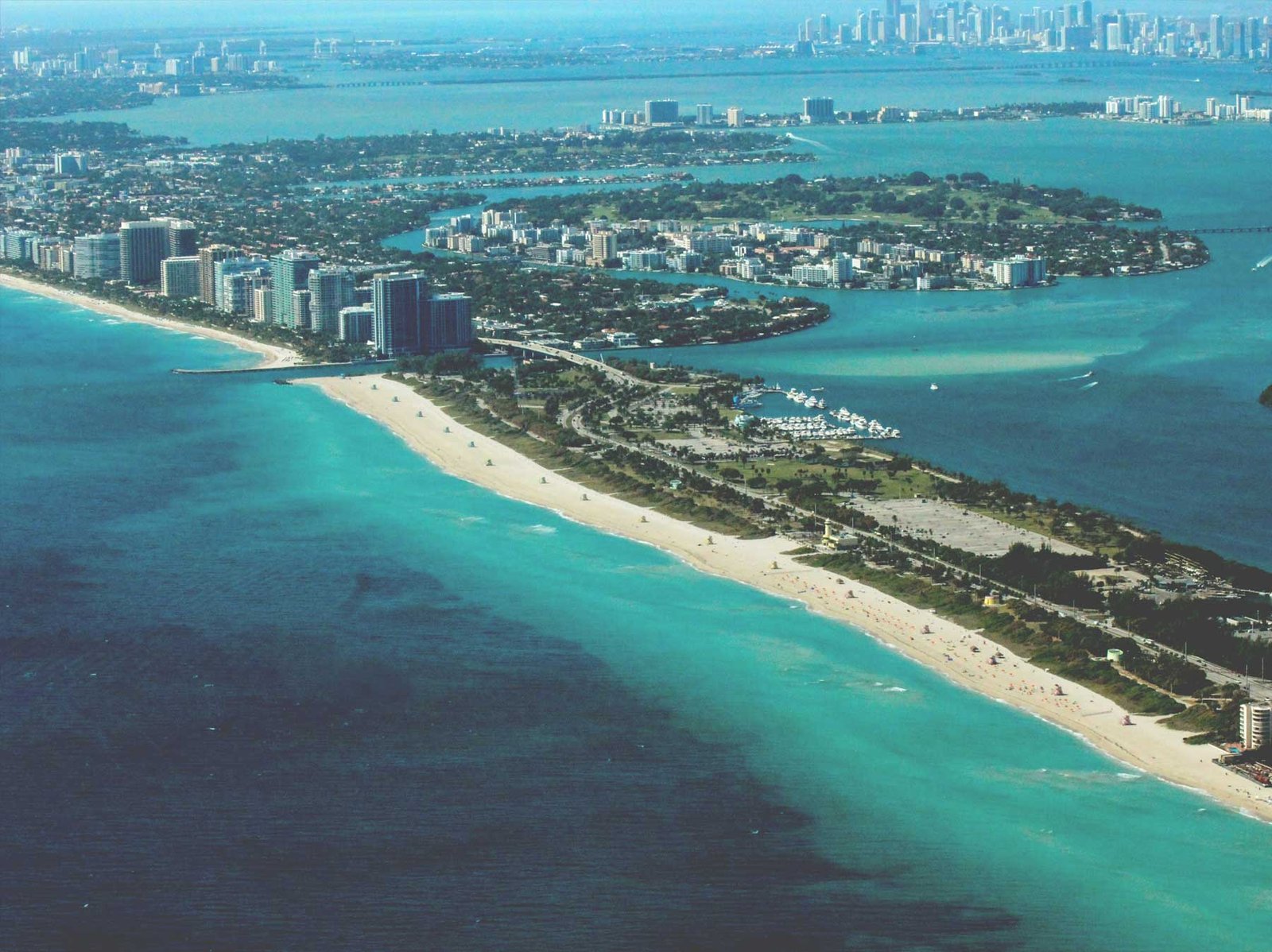
- 35 buildings along the Miami Beach to Sunny Isles Beach coastline showed subsidence between 2016 and 2023, per a University of Miami Rosenstiel School study published on 13 December 2024 in the AGU journal Earth and Space Science.
- The measured settlement ranged from 2 to 8 centimetres, most of it in Sunny Isles Beach and, to a lesser extent, Surfside, per the university’s release of the same date. It also found subsidence at two buildings in Miami Beach and one in Bal Harbour.
- The study did not find settlement behind the Surfside collapse. “No displacement signals were detected before the collapse, indicating that settlement was not the cause of collapse,” the release says of Champlain Towers South.
- The headlines are recent; the study is not. Videos circulating in September 2026 about “35 sinking condos” trace back to this December 2024 paper.
What the study measured
The University of Miami reported on 13 December 2024 that “35 buildings along the Miami Beach to Sunny Isles Beach coastline are experiencing subsidence, a process where the ground sinks or settles.”


Listing information is deemed reliable but is not guaranteed and is provided exclusively for consumers' personal, non-commercial use. Data is supplied by the MLS and may be subject to change or withdrawal without notice.
Last updated 58 minutes ago
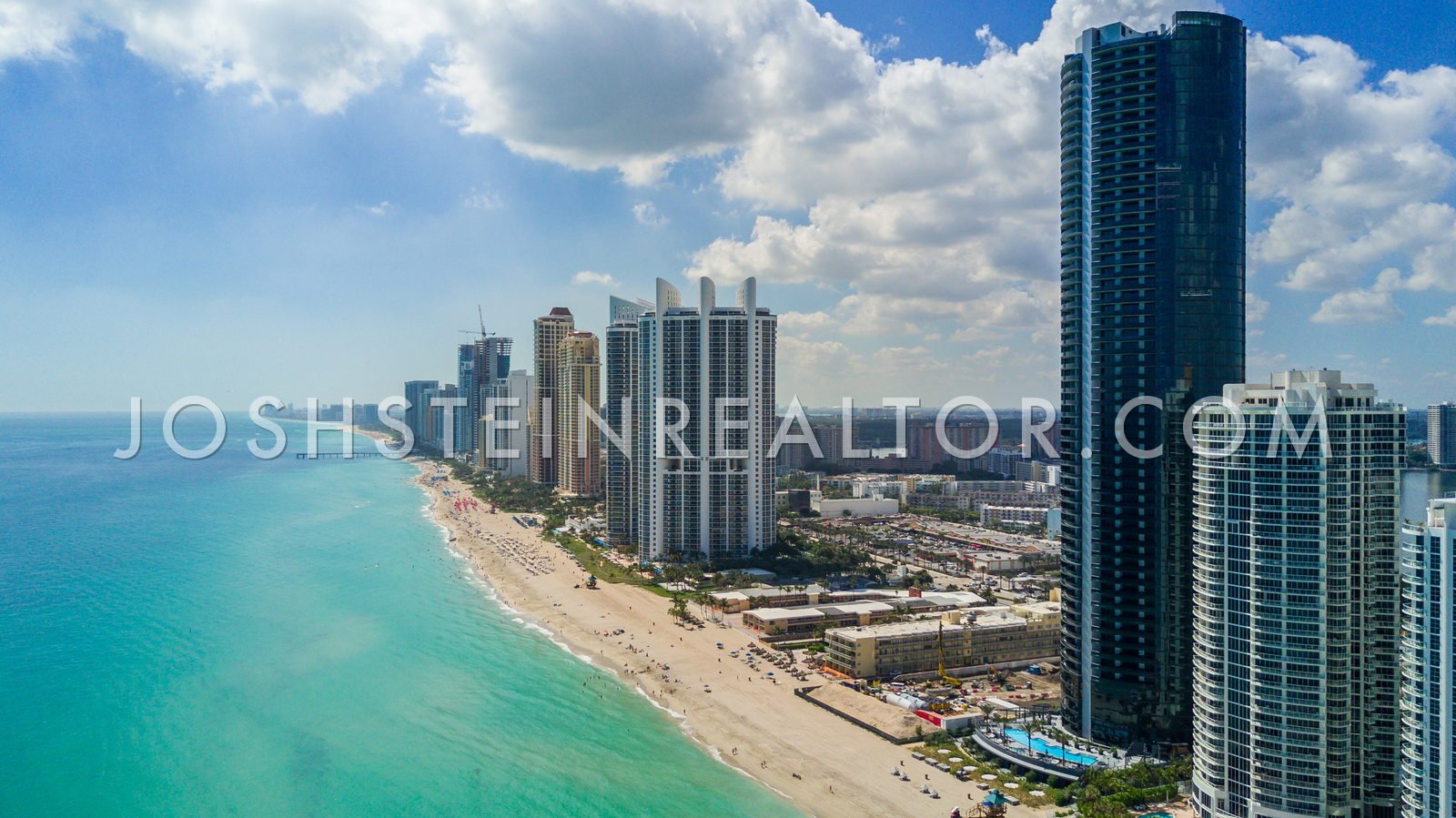
The method was satellite radar. Per the same release, the team combined “222 SAR images from the European Sentinel-1 satellites” to build a time series of surface movement, using fixed points on buildings, such as balconies and rooftop air-conditioning units, as reference points. The release says satellites flying at 700 kilometres “can measure millimeter-scale displacements.”
The result, per the release: “subsidence ranging from two to eight centimeters, with the most significant effects in Sunny Isles Beach and, to a lesser extent, Surfside.” Eight centimetres is a little over three inches, spread over seven years.
Why the authors think it is happening
New towers are expected to settle during and after construction. What the study found, per the university’s release of 13 December 2024, is that in some buildings it keeps going.
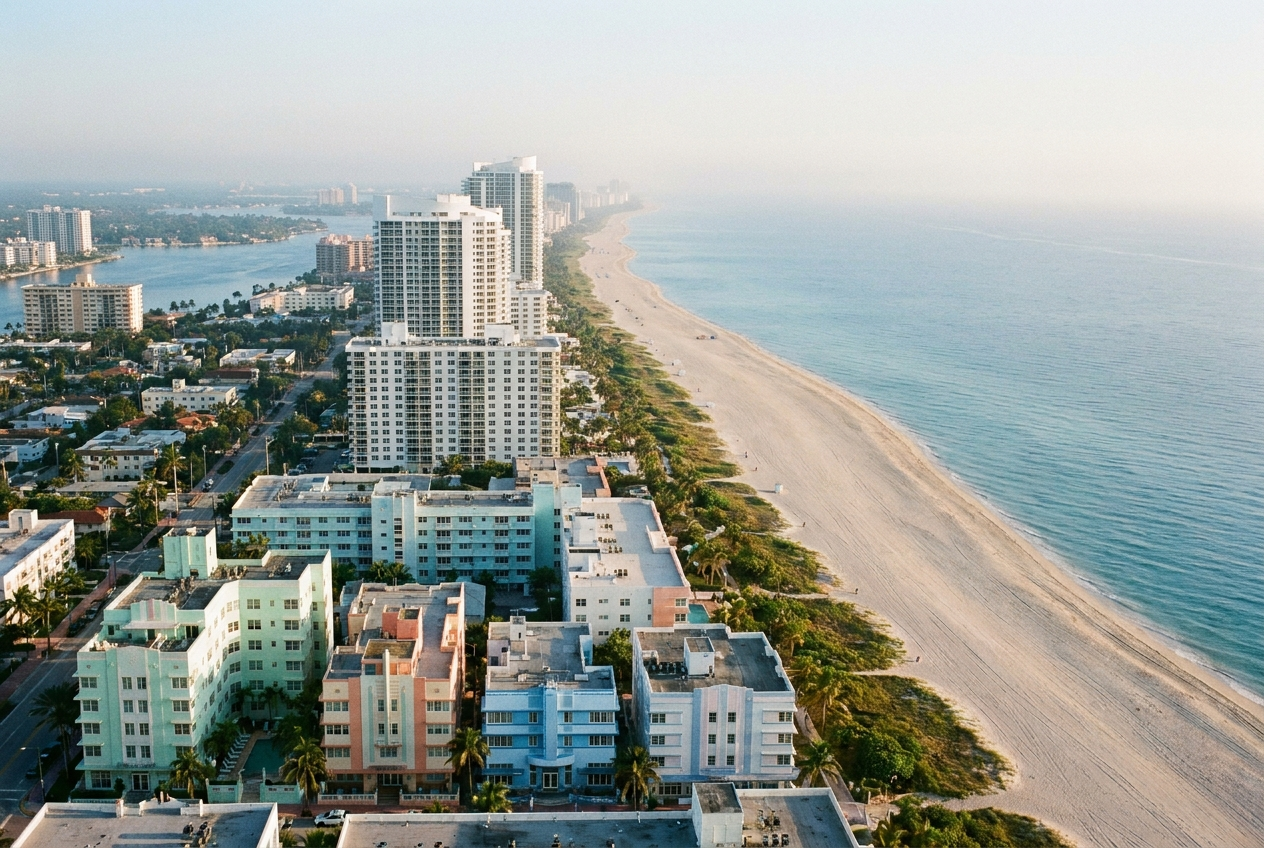
“We found that subsidence in most high-rises slows down over time, but in some cases, it continues at a steady rate,” the study’s senior author, Falk Amelung, said in the release.
The researchers link it to the ground under the coast. Per the release, Miami’s subsurface is limestone with layers of sand in it, and the authors suggest the sand grains shift under the weight of a tower and the vibration of foundation work nearby. They also point to daily tidal flow and groundwater movement, and say whether stormwater injection contributes “warrants further investigation.”
What the authors said about safety
The release is careful, and a buyer should read it the same way.
- On Surfside: “No displacement signals were detected before the collapse, indicating that settlement was not the cause of collapse.”
- On what is still unknown: the release says the team’s next priority is determining whether differential settlement (where different parts of a structure sink at varying rates) is occurring and potentially causing long-term damage. The release says tentative evidence of 1 to 2 centimetres of that kind of settlement was found and that “further investigation is required.”
- On monitoring: co-author Antonio Nanni said “Residents and authorities should be informed about any subsidence occurring of their buildings and the rate at which it occurs,” and called for a public database like those in Europe.
The study does not say any building is unsafe. It says settlement is measurable from space, that it can persist, and that it should be watched.
What to ask before you buy on the coast
- Has the association had the building’s settlement or structural monitoring reviewed? Florida’s post-Surfside milestone inspections are the formal check. Ask for the most recent report and read it.
- What do the reserve study and the structural integrity reserve study say? Both are required for most Florida condominiums of three stories or more.
- Is there active construction next door? The study connects vibration from nearby foundation work to settlement.
- What has the building actually resold for? Settlement concerns, when they are real, show up in prices. JSR’s Miami Resale Record has the county-recorded resale outcomes for 234 buildings.
Record checked 23 September 2026. JSR did not seek comment.
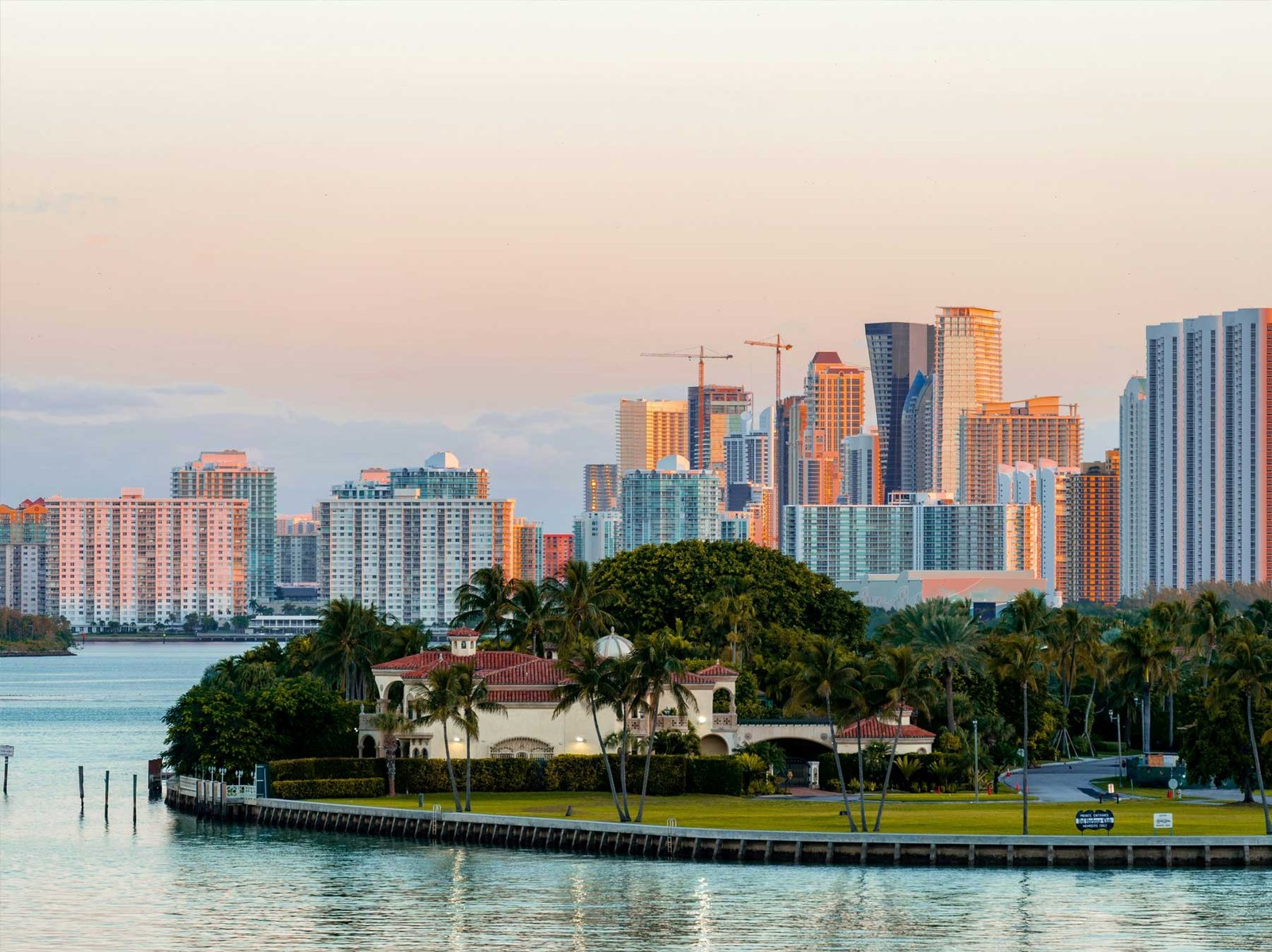
Before you put down a deposit, get the public record
A sales gallery shows the renderings. The record shows the rest: permits, how the promised delivery date has moved, and what the developer has delivered before. For a building that already exists, it also shows what owners got back when they sold. Tell Josh the building and he’ll send it.
Miami coastal condo subsidence study: frequently asked questions
How many Miami-area buildings did the subsidence study find sinking?
35 buildings along the Miami Beach to Sunny Isles Beach coastline showed subsidence between 2016 and 2023, per the University of Miami Rosenstiel School release of 13 December 2024. The study was published in the AGU journal Earth and Space Science.
How much did the buildings settle?
From 2 to 8 centimeters, with the most significant effects in Sunny Isles Beach and, to a lesser extent, Surfside, per the University of Miami release of 13 December 2024. Eight centimeters is a little over three inches, spread over seven years.
How did researchers measure it?
With satellite radar. Per the same release, the team combined 222 SAR images from the European Sentinel-1 satellites and used fixed points on buildings, such as balconies and rooftop air-conditioning units, as reference points.
Did the study find that settlement caused the Surfside collapse?
No. The release says of Champlain Towers South: “No displacement signals were detected before the collapse, indicating that settlement was not the cause of collapse” (University of Miami, 13 December 2024).
Does the study say any building is unsafe?
No. It says settlement is measurable from space, that it can persist, and that it should be watched. The authors’ next priority is whether differential settlement is occurring; the release says tentative evidence of 1 to 2 centimeters of that kind of settlement was found and that further investigation is required (University of Miami, 13 December 2024).
Why does the ground under coastal Miami towers settle?
Per the release, Miami’s subsurface is limestone with layers of sand, and the authors suggest the sand grains shift under the weight of a tower and the vibration of foundation work nearby. They also point to daily tidal flow and groundwater movement (University of Miami, 13 December 2024).
What should a buyer ask before buying a coastal condo?
Whether the association has had the building’s settlement or structural monitoring reviewed, what the most recent milestone inspection report says, what the reserve study and structural integrity reserve study say, and whether construction is active next door (Josh Stein Realtor, record checked 23 September 2026).
How has your building held its value? The Miami Condo Index ranks Miami condo buildings by their county sale records: real price per square foot, turnover and four-year change.
Sources and further reading
- University of Miami, News@TheU, “New study finds subsidence hotspots impacting high-rise buildings in South Florida,” 13 December 2024news.miami.edu
- Aziz Zanjani, F., Amelung, F. et al., “InSAR Observations of Construction-Induced Coastal Subsidence on Miami’s Barrier Islands, Florida,” Earth and Space Science, 2024; data depositzenodo.org