

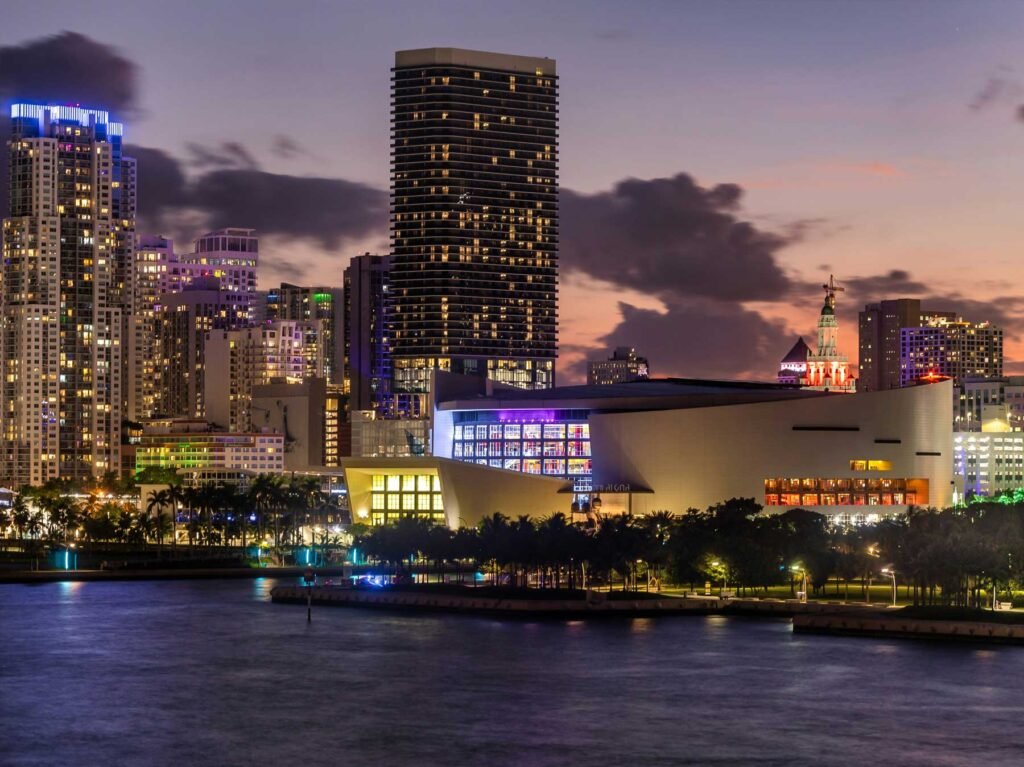
There is a precise answer to where Miami’s ultra-luxury market begins, and for the first half of 2026 it is this: $10.0 million for a condominium and $15.0 million for a single-family home. Those are the top 1% thresholds for Miami-Dade — and both moved sharply in twelve months. At South Florida level the single-family ultra-luxury line rose from $7.8 million in 2025 to $10.7 million. A 37% move in the definition of the top of the market, in one year.
Miami-Dade, $10M and above — the record, as of 5 August 2026
$10.0M — top 1% of Miami-Dade, H1 2026
$15.0M — top 1% of Miami-Dade, H1 2026
$10.7M, up from $7.8M in 2025
$6.0M, up from $5.4M in 2025
$2.4bn in June 2026, up 36.39% YoY
2,107, up 14.3% YoY
483, up 29.1% YoY
0.5% of all Miami-Dade closings
Sources: MIAMI Association of Realtors H1 2026 luxury report (23 July 2026) and June 2026 Miami-Dade report (17 July 2026). Verified 5 August 2026.
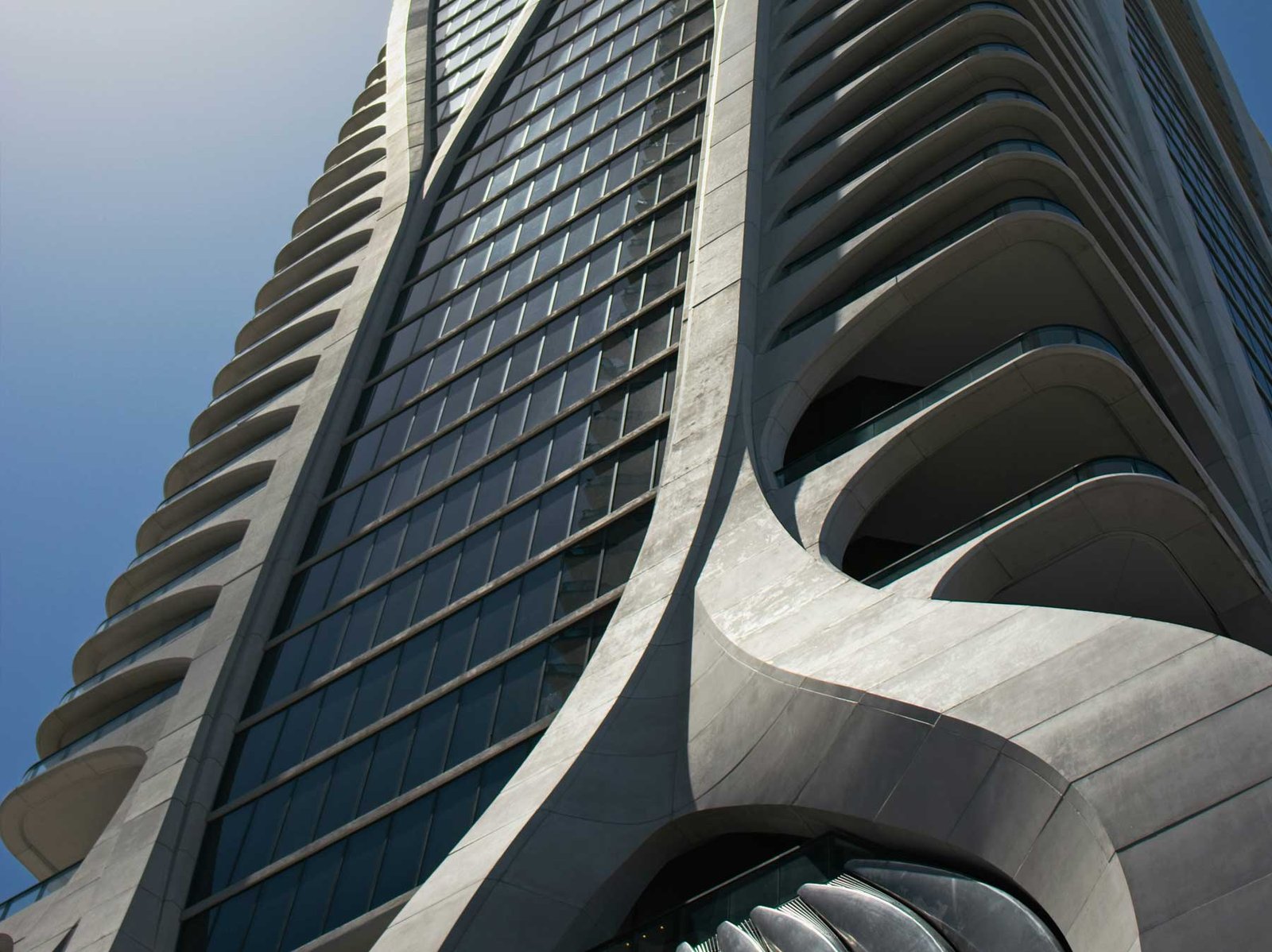
Why there are no medians on this page
Above $10 million, Miami’s trophy enclaves individually transact in the single digits each year. A median calculated on eight sales is not a statistic; it is an anecdote with a decimal point. Publishing one implies a precision that the underlying data cannot support, and it is the most common way ultra-luxury marketing misleads people who ought to know better.
What is worth publishing is the direction and the shape of the market. Miami-Dade closed $2.4 billion of dollar volume in June 2026, up 36.39% year over year, on transaction growth of 14.3%. Volume is growing at more than twice the rate of activity. That is a mix shift, and this band is where the mix shifted to.
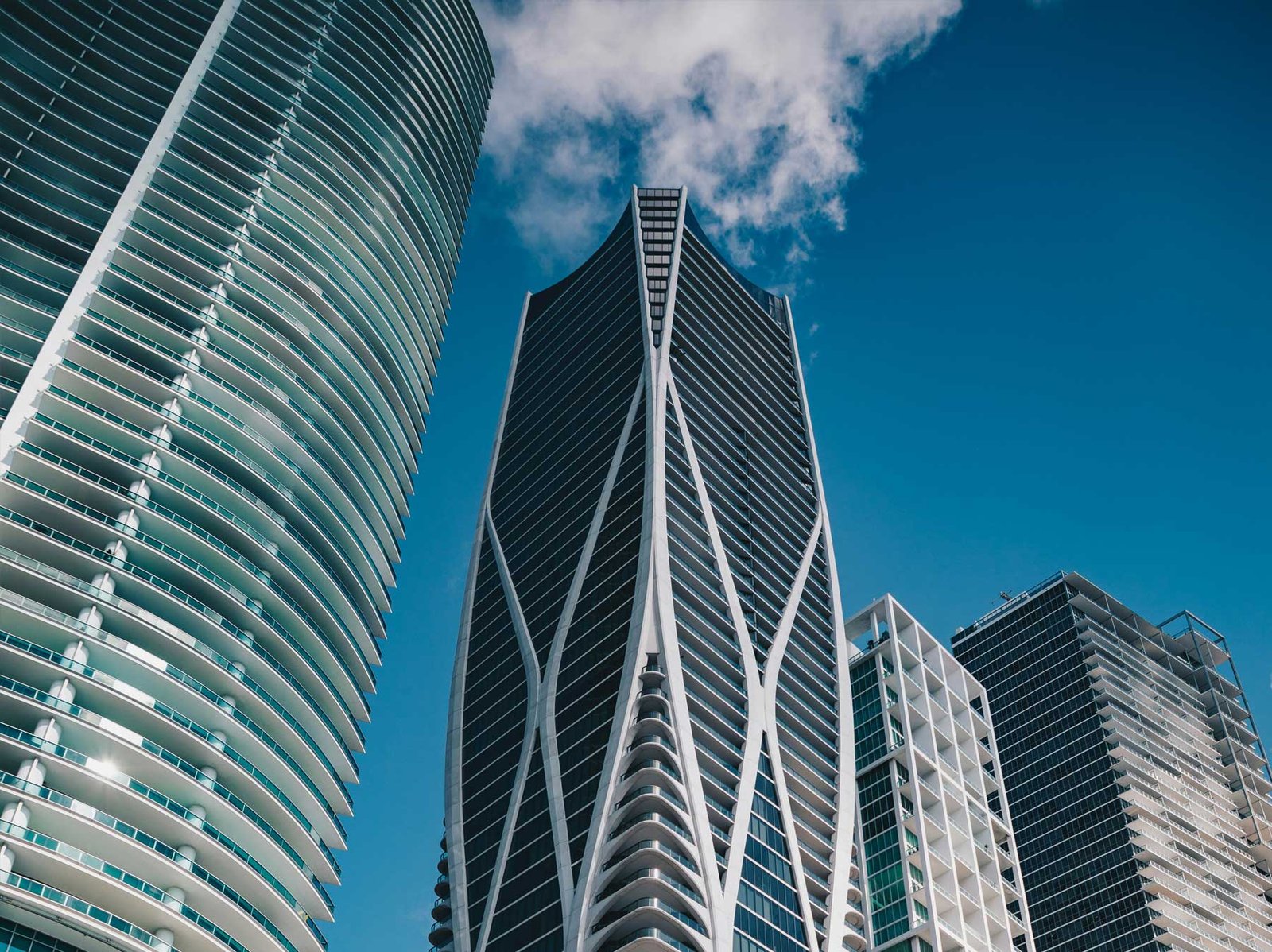
The threshold moved faster than the assets did
Hold the two years side by side. At South Florida level the top 1% single-family threshold went from $7.8 million to $10.7 million, and the condominium equivalent from $5.4 million to $6.0 million. In Miami-Dade specifically the top 1% now begins at $15.0 million for houses and $10.0 million for condominiums.
Two things do that. New supply at extreme price points enters the sample and drags the percentile upward, and genuine repricing at the top. Both are happening in Miami simultaneously, and disentangling them is the single most useful piece of analysis available to a buyer at this level — because one of them is durable and the other is a composition effect that reverses when the delivery pipeline thins.
The practical consequence: comparables at this level are not a search result. They are a hand-assembled set, and the wrong set produces confident nonsense. An address one gate outside a named enclave, a sale that included furniture and a boat slip, an assemblage priced as a single trade — each of these regularly enters comparable sets where it does not belong.
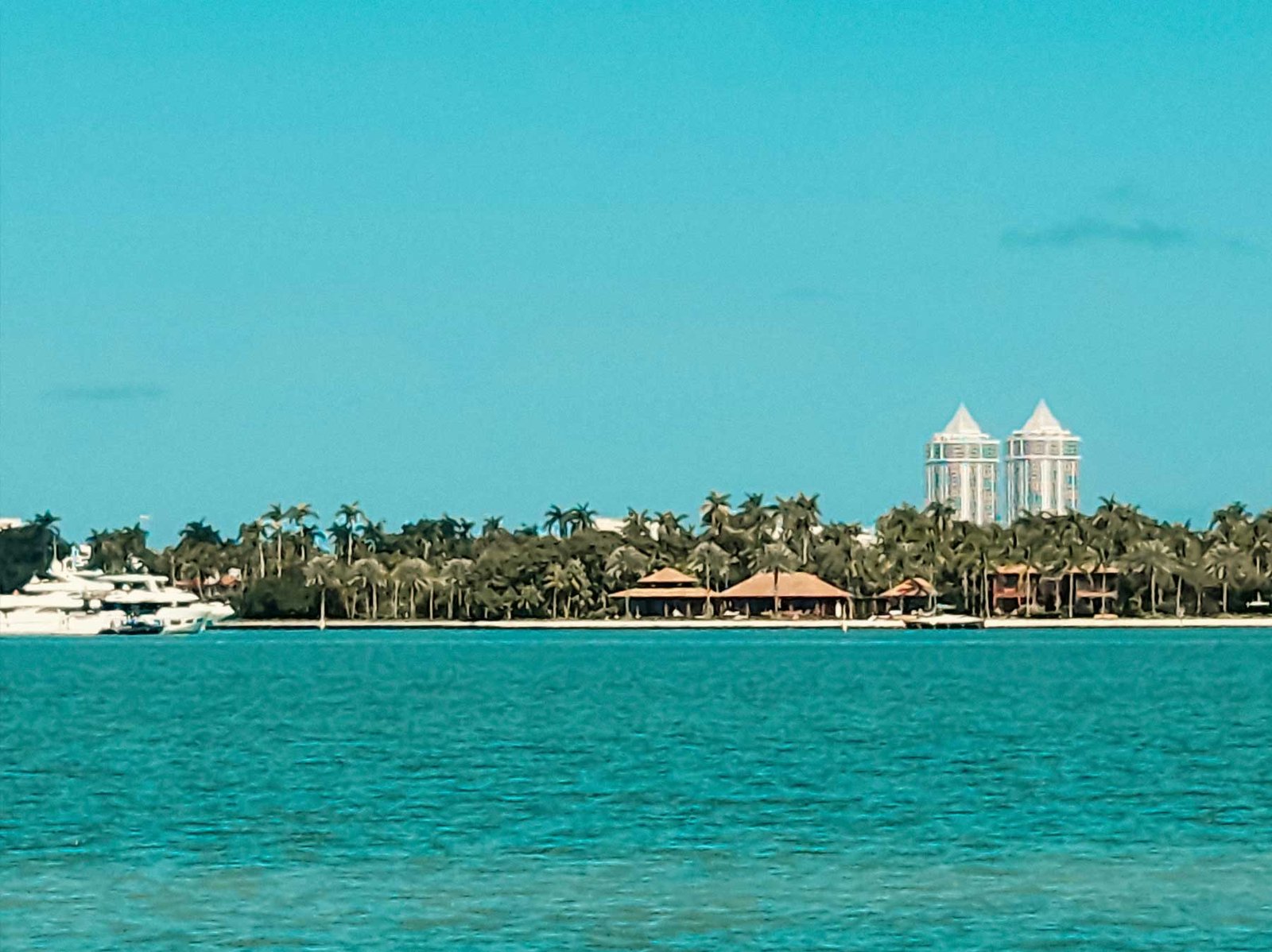
What actually determines value up here
Land, not improvements. On the water, an increasing share of trades at this level are teardowns and assemblages, where the house is a rounding error and the price is a function of frontage, lot size, and what can be built. New construction on the best waterfront clears multiples of what older stock does per square foot — which means an existing house can be simultaneously beautiful and irrelevant to the price.
Dockage, specifically. Channel depth, bridge clearance and the number of turns to open bay separate otherwise similar addresses by a wide margin. Among Miami’s gated waterfront enclaves the per-square-foot spread runs well over 2x across communities that sit within a few miles of each other, and dockage explains more of it than prestige does.
Governance. Several of the enclaves at this level require club membership as a precondition of purchase — written application, financial disclosure, letters of recommendation from existing members, an interview, and a board that may reject an applicant for cause. Approval is often final only on taking title. Where an inner enclave sits inside a larger community, both fee structures apply. These are not formalities and they are not negotiable, and they belong in your timeline from the first conversation, not the week before closing.

The one condominium question that still matters at $10 million
Financing is generally irrelevant to your purchase and entirely relevant to your building. Florida Statute 553.899 applies to every condominium and cooperative building three habitable stories or more: milestone inspection by 31 December of the year it reaches 30 years of age, then every ten years, with local enforcement agencies empowered to require the first at 25 years. And the agency standards your future buyer will face are tightening — Limited Review retired 3 August 2026, a $50,000 per-unit master deductible cap since 1 July 2026, and minimum reserves rising to 15% of annual budgeted assessment income on 4 January 2027.
At $10 million and above the assessment exposure that follows an adverse milestone finding is not a rounding error either. It is worth knowing before, rather than after.
How this market actually works
A meaningful share of trades at this level never appear as listings. They are assembled — between brokers who know which owner is quietly willing, at a price neither party wants published. If you are buying above $10 million in Miami and you are working exclusively from what is publicly for sale, you are seeing a fraction of the market, and usually the part that has already been passed over.
Tell me what you are looking for and I will tell you honestly whether it exists, what it should trade at, and whether the comparable set anyone has shown you is the right one.
See also: the verified record of the most expensive homes in Miami — enclave by enclave, closings rather than asking prices.
\n\nBuying above $10 million in Miami — common questions
What counts as ultra-luxury in Miami?
The top 1% of the market. For the first half of 2026 that threshold was $10.0 million for Miami-Dade condominiums and $15.0 million for Miami-Dade single-family homes. At the broader South Florida level the equivalent figures were $6.0 million and $10.7 million, up from $5.4 million and $7.8 million respectively in 2025.
Why does this page not publish a median price?
Because above $10 million Miami’s trophy enclaves transact in the single digits per year, and a median drawn from a handful of sales is an anecdote rather than a statistic. What can be published responsibly is direction and mix: Miami-Dade dollar volume rose 36.39% year over year in June 2026 on transaction growth of 14.3%, which is a mix shift toward exactly this band.
What drives price at this level?
Land rather than improvements on the waterfront, where many trades are effectively teardowns or assemblages and price follows frontage, lot size and what can be built. Dockage specifics — channel depth, bridge clearance, turns to open bay — separate otherwise comparable addresses substantially. And governance: several enclaves require club membership as a precondition of purchase, which affects who can buy at all.
Can club membership requirements actually block a purchase?
Yes. In several of Miami’s gated waterfront communities, membership in the community’s club is a prerequisite to purchasing property. The process typically involves a written application with financial disclosure, letters of recommendation from existing members in good standing, a personal interview, and a board that may reject an applicant for cause, with approval final only on taking title. Where an inner enclave sits within a larger community, both governance structures and both fee schedules apply.
Do condominium regulations matter if I am paying cash?
They matter for the building and for your exit. Florida Statute 553.899 requires a milestone structural inspection of any condominium or cooperative building three habitable stories or more by 31 December of the year it turns 30, then every ten years, and a local agency may require the first at 25 years. Separately, agency financing standards your future buyer will face are tightening — Limited Review was retired on 3 August 2026 and minimum reserves rise to 15% of annual budgeted assessment income on 4 January 2027.
Are the best properties publicly listed?
Often not. A meaningful share of Miami trades above $10 million are assembled off-market between brokers, at prices neither side wants published. Working only from public listings at this level means seeing a fraction of what is actually available, and usually the part that has already been passed over.
Sources and further reading
- MIAMI Association of Realtors — South Florida Luxury Home Market Reaches New Milestones, 23 July 2026miamirealtors.com
- MIAMI Association of Realtors — Miami-Dade Real Estate Posts Best June in Three Years, 17 July 2026miamirealtors.com
- The Florida Senate — Florida Statute 553.899, Mandatory structural inspections for condominium and cooperative buildingsflsenate.gov
- Fannie Mae — Lender Letter LL-2026-03, Updates to Project Standards & Property Insurance Requirements, 18 March 2026singlefamily.fanniemae.com
Start here
The main sections of The Miami Confidential.